
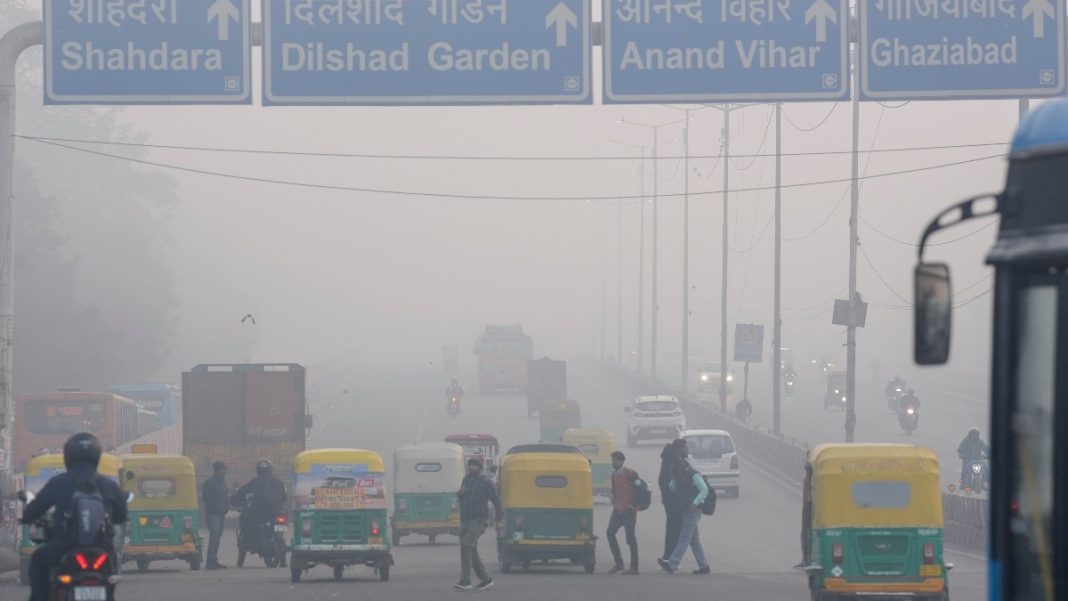
Budget 2026-27: Health Funds Ignore India’s Air Pollution Crisis
The Union Budget 2026-27 has drawn criticism for failing to allocate specific funds to combat India’s severe air pollution, a major public health threat. While Finance Minister Nirmala Sitharaman announced health initiatives, experts say the omission of a national clean air strategy undermines these efforts.
Key Takeaways
- Budget expands Ayushman Bharat and medical colleges but lacks a funded air pollution strategy.
- India’s toxic air is a leading cause of respiratory and heart diseases.
- Experts call for a ‘Clean Air Mission’ with the priority of a national health mission.
The Glaring Omission
Despite mentioning “green growth,” the budget provided no specific allocations for large-scale air quality programs. With many of the world’s most polluted cities, India faces an immense health and economic burden from toxic air.
What Experts Wanted
Public health advocates had hoped for concrete steps:
- Strengthening the National Clean Air Programme (NCAP) with stricter targets.
- Major investment in clean public transport.
- Incentives for cleaner fuels in industry and households.
“The link between air quality and public health is undeniable and urgent. Budgetary allocations for health infrastructure will be undermined if the environmental determinant of disease is not addressed with equal seriousness. We need a ‘Clean Air Mission’ with the same priority as other national health missions,” an environmental policy analyst stated.
Infrastructure Focus Needs Safeguards
Critics also noted the budget’s emphasis on capital expenditure for infrastructure. They urge that all such projects must mandatorily include stringent air pollution control measures to prevent making the crisis worse.


