

For 51 year old Kenny Thorley life turned upside down when he had a massive heart attack followed by a complicated condition called anoxic brain injury due to which he lost his ability to walk, speak and swallow.
Currently, he communicates by typing on an iPad, PEOPLE reported. “In January 2025, Madisen Franklin’s father, Kenny Thorley, suffered a massive heart attack, causing his heart to stop. During those harrowing 45 minutes, the father of six and grandfather of seven from Mesa, Ariz., suffered an anoxic brain injury, resulting in the loss of his ability to speak, walk and swallow,” the media outlet reported.
Kidney damage: 7 everyday habits that silently damage the kidneys
What is anoxic brain injury?
Anoxic brain injury happens when the brain doesn’t get any oxygen for a period of time. Since the brain needs a constant supply of oxygen to function, just a few minutes without it can cause serious and sometimes permanent damage. If the brain only gets a little bit of oxygen (but not enough), that’s called hypoxic brain injury. But when there’s no oxygen, it’s called anoxic brain injury. Oxygen keeps our brain cells alive by helping them use glucose (sugar) for energy. If oxygen is cut off, brain cells begin to die quickly—damage can start after just 4 minutes without oxygen. Losing oxygen for longer can lead to a coma or even death.
What happens during anoxic brain injury?
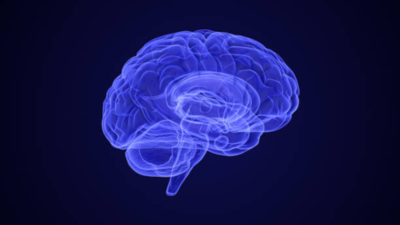
When oxygen is lost, the brain can shut down fast. First, a person may lose consciousness within seconds. After about four minutes, brain cells start dying. Important brain areas like the cortex (for thinking), hippocampus (for memory), and cerebellum (for movement) are especially sensitive to a lack of oxygen.
If the loss of oxygen continues, someone might have seizures, abnormal movements, or even fall into a coma.
Sometimes, a bluish color appears around the lips and fingertips—a sign of low oxygen in the blood.
What are the
causes of anoxic brain injury
?
There are many ways a person can suffer this type of injury. Some of the most common causes include:
Cardiac arrest (when the heart stops beating)
-
Heart attack or irregular heartbeat
-
Severe bleeding or very low blood pressure (shock)
-
Suffocation, choking, or strangulation
-
Drowning or near-drowning
-
Severe asthma attack
-
Electric shock
-
Breathing in smoke or toxins (like carbon monoxide)
-
Drug overdose or poisoning
-
Complications from anesthesia during surgery, especially if the heart or breathing stops
What are the symptoms and effects?
Short term (right after the incident): confusion, agitation, or drowsiness; seizures or muscle jerks; loss of consciousness or coma; difficulty breathing.
Long term (after surviving the injury): Memory problems, difficulty concentrating or learning, trouble moving or controlling muscles, personality or mood changes, weakness, tiredness, or problems with coordination, speech or vision problems
The effects depend on how long the brain lacked oxygen and which areas were affected. Some people recover well, while others have lasting disabilities.