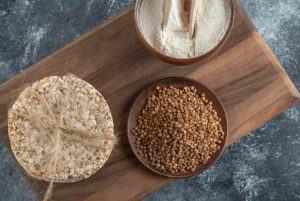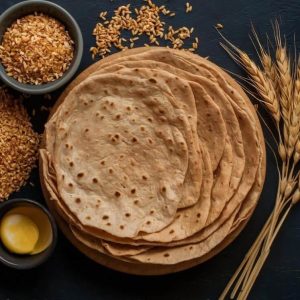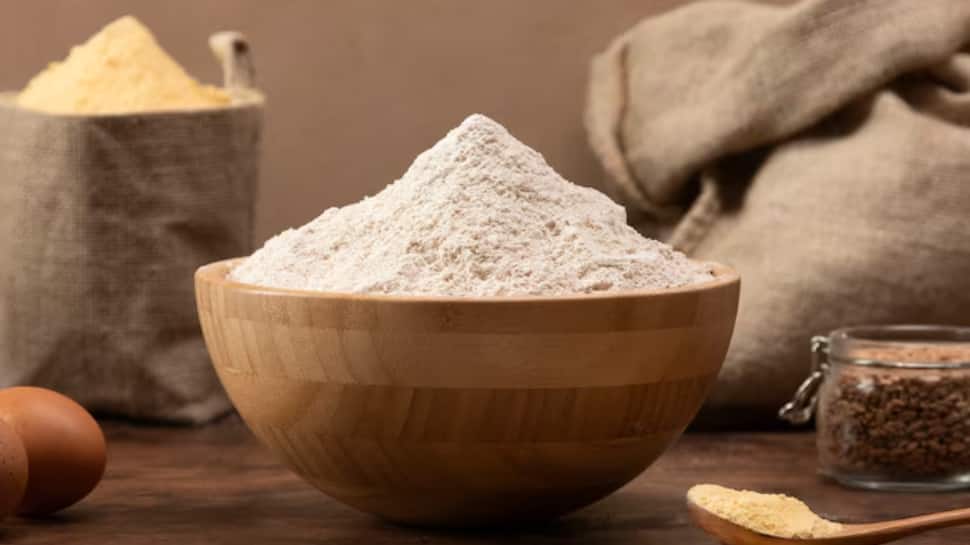
Best multigrain aata at home: If you feel tired, sluggish, and have gut health issues, the problem may lie in the most basic aspect of your meals – the humble roti. Eating pure wheat or maida roti daily can harm the body by causing rapid spikes in blood sugar. It also promotes weight gain due to its high carbohydrate density and triggers digestive issues such as bloating and constipation. Homemade multigrain aata lets you control ingredients, freshness, and nutrient density that support your body’s requirements throughout the year.
Why Multigrain Aata Is Better Than Regular Wheat Flour
Refined or single-grain wheat flour mainly provides carbohydrates, it looks and tastes good, is easy on the palate, and even goes well with all types of curries. Although this doesn’t mean it is good for your health. When you combine multiple grains, you create a nutritional synergy, each grain compensates for what another lacks and helps keep the body healthy and fit.
What multigrain aata improves:
Higher fiber → better digestion and satiety
Wider mineral profile → iron, magnesium, zinc, calcium
Lower glycaemic load → stable energy, fewer sugar crashes
Better protein diversity → supports muscle repair
Warmer or cooling effect depending on seasonal grains
Supports gut microbiome with varied plant fibers
Which Grains To Include And Why
Here’s how each grain contributes nutritionally:
| Grain | Why Add It | Key Nutrients |
|---|---|---|
| Wheat | Base structure, elasticity | Complex carbs, protein |
| Jowar | Light, cooling, gluten-light | Iron, antioxidants |
| Bajra | Warming, great for winters | Magnesium, healthy fats |
| Ragi | Bone strength | Calcium powerhouse |
| Barley (Jau) | Gut-friendly | Soluble fiber (beta-glucan) |
| Oats | Heart health | Cholesterol-lowering fiber |
| Chana Dal | Protein boost | Plant protein, folate |
| Flaxseed | Anti-inflammatory | Omega-3 fats |
Seasonal Intelligence: Adjust Grains As Per Weather
Traditional Indian food wisdom always aligned grains with climate. Multigrain aata should too.
Summer (Cooling + Light Digestion)
Reduce heat-producing grains.
Use more of:
1. Jowar
2. Barley
3. Wheat
4. Chana
Avoid excess: Bajra, Ragi (too heating)
Winter (Strength + Warmth)
Body needs grounding and heat.
Add more of:
1. Bajra
2. Ragi
3. Chana
4. Oats
These improve circulation and sustain energy.
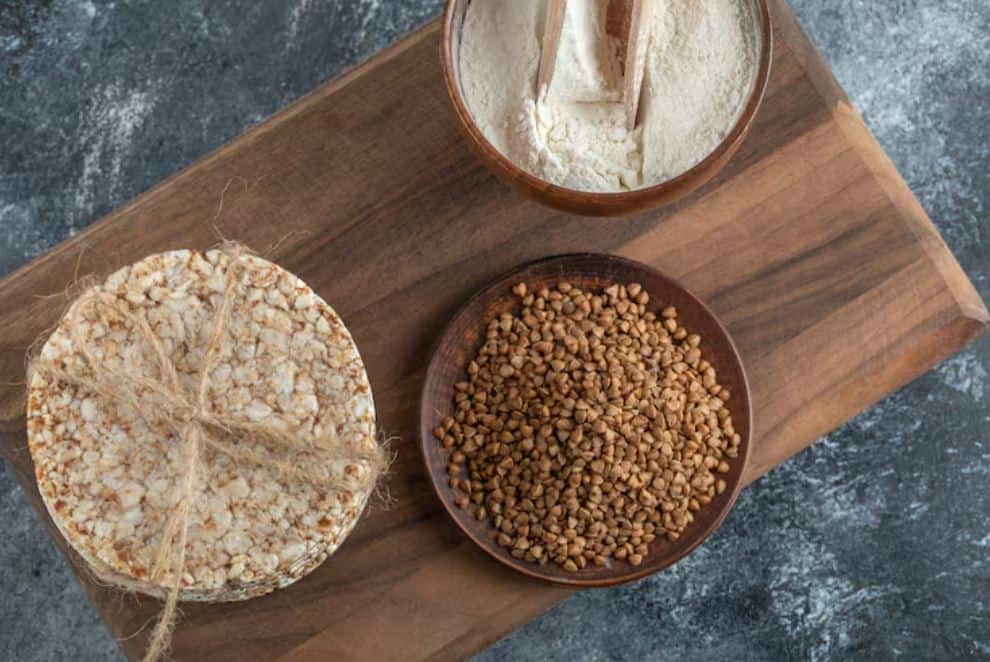
Monsoon (Easy Digestion + Immunity)
Humidity weakens digestion (Agni).
Best grains:
1. Wheat
2. Jowar
3. Barley
4. Small amount of Bajra
Avoid very heavy combinations.
The Ideal Multigrain Aata Ratio (Balanced For Daily Use)
This ratio works well for most adults year-round:
4 kg Wheat (Base)
500 g Jowar
500 g Bajra
400 g Ragi
300 g Barley
200 g Oats
200 g Chana Dal
50 g Flaxseed (optional)
Why this works:
Wheat gives structure → millets add minerals → legumes add protein → seeds add healthy fats.
You get diversity without making rotis dense or hard.
Step-By-Step: How To Make Multigrain Aata At Home
Step 1: Source Whole, Clean Grains
Avoid polished or pre-broken grains—they lose nutrients.
Step 2: Sun-Dry For 4–5 Hours
Removes moisture → improves shelf life → enhances digestion.
Step 3: Lightly Roast (Optional But Recommended)
Especially for:
1. Chana
2. Barley
3. Oats
This improves flavor and digestibility.
Step 4: Grind At A Local Chakki (Flour Mill)
Ask for:
Medium grind
Not ultra-fine (retains fiber)
Step 5: Store Correctly
1. Use airtight steel or glass containers
2. Avoid plastic
3. Consume within 30-40 days for freshness
Nutritional Value Of Homemade Multigrain Aata (Approx.)
Per 100 g (varies slightly by ratio):
Fiber: 10–14 g (2–3× more than regular atta)
Protein: 11–13 g
Calcium: 120–180 mg (thanks to ragi)
Iron: 4–6 mg
Magnesium: 130–160 mg
Healthy fats: 2–4 g
Glycaemic Index: Lower than wheat alone
This makes it ideal for:
1. Weight management
2. PCOS-friendly diets
3. Diabetes prevention
4. Sustained energy lifestyles
Real Benefits You’ll Notice After Switching
Within weeks, most people observe:
1. Longer fullness → reduced overeating
2. Better digestion, less bloating
3. Improved stamina
4. Stable blood sugar
5. Reduced cravings
6. Healthier skin (thanks to minerals + fiber)
It’s not a “diet food.” It’s foundational nutrition.
Important Things To Keep In Mind
1. Do not add too many grains. More is not better, balance matters.
2. Avoid soybean or maize in daily atta. They make rotis heavy and harder to digest.
3. Always adjust for age:
- Elderly → reduce bajra
- Children → increase wheat + chana
4. Knead with warm water for softer rotis.
If new to high fiber, transition slowly over 7-10 days.
Who Should Definitely Use Multigrain Aata
1. Sedentary professionals
2. Women with hormonal imbalance
3. Anyone with sluggish digestion
4. Growing teenagers
5. Fitness-focused individuals
6. People trying to reduce refined foods
Homemade multigrain aata is not just a healthier flour, it’s a return to intelligent, seasonal eating. When grains are chosen thoughtfully and ground fresh, every roti becomes a nutrient-dense meal that supports digestion, strength, and long-term wellness.
(This article is meant for informational purposes only and must not be considered a substitute for advice provided by qualified medical professionals.)