

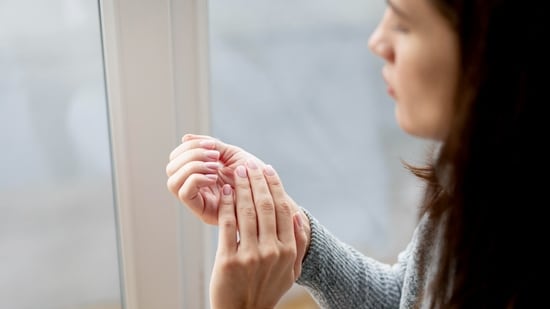
“The hands and feet regions are frequently exposed to harsh environmental factors such as UV radiation, detergents, friction, and repetitive washing, yet they receive minimal protection and inconsistent moisturization,” she explained.
Why does this dryness occur?
The dermatologist explained that hands and feet are naturally more prone to dryness because they have fewer oil glands, and anyway, during winters, the overall oil production of the skin further decreases, leaving these areas without their natural protective lipid barrier. Other environmental factors like cold air, low humidity, heaters, blowers, and frequent washing can strip away what little moisture these areas have, leaving them rough, irritated and sometimes cracked. Showering in hot water and excessive sanitiser usage are also responsible, making the skin more sensitive, inflammed and itchy.
Medical conditions that cause dry skin

Not all skin dryness is just superficial; it can also be linked to underlying health issues, which need to be identified promptly.
Here are some of the health issues which she listed:
- Atopic dermatitis (eczema) commonly flares in colder months, leading to intense dryness, itching, and scaling.
- Psoriasis exacerbates in winter, as reduced sunlight and moisture aggravate epidermal turnover and scaling.
- Hypothyroidism slows skin cell turnover and reduces sweat and sebum production, resulting in coarse, dry skin.
- Diabetes mellitus can cause xerosis due to dehydration, microvascular changes, and neuropathy-related reduced sweating, particularly affecting the feet.
- Ichthyosis vulgaris, a genetic disorder of keratinisation, worsens in winter, leading to severe scaling and dryness.
- Chronic kidney disease and age-related xerosis impair the skin’s natural moisturising factors.
How to prevent
If it is a simple case of dehydration, here are some hacks the dermatologist recommended to reduce hand and foot dryness:
- Use thick, fragrance-free moisturisers with ingredients like ceramides, glycerin, urea, lactic acid, or shea butter.
- Apply moisturiser immediately after washing hands (within 30 seconds) to lock in the moisture.
- For feet, nighttime application of petroleum jelly followed by cotton socks works exceptionally well.
- Ammonium lactate cream is a highly effective treatment for xerosis or extremely dry skin.
- Avoid harsh soaps and antibacterial washes containing SLS, SLES, chlorhexidine, ethanol, or isopropyl alcohol.
- Opt for mild, pH-balanced, soap-free cleansers that clean without stripping the skin barrier.
- Avoid aggressive scrubbing, especially if the skin is cracked or sensitive.
- Oral ceramide supplements can be considered, as they help improve skin hydration and barrier function by replenishing the skin’s natural lipid components from within
Note to readers: This article is for informational purposes only and not a substitute for professional medical advice. Always seek the advice of your doctor with any questions about a medical condition.