Key Takeaways
- India and the EU will announce a major climate and clean energy partnership on January 27, 2026.
- The deal focuses on joint R&D in solar, wind, and green hydrogen, and eases tariffs on green goods.
- A key feature is a joint “Clean Energy Technology Hub” in India for knowledge sharing.
- The pact is seen as a strategic move that could also unblock the stalled India-EU Free Trade Agreement.
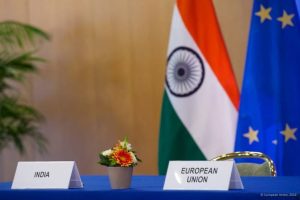
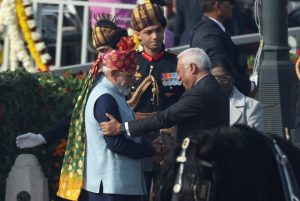
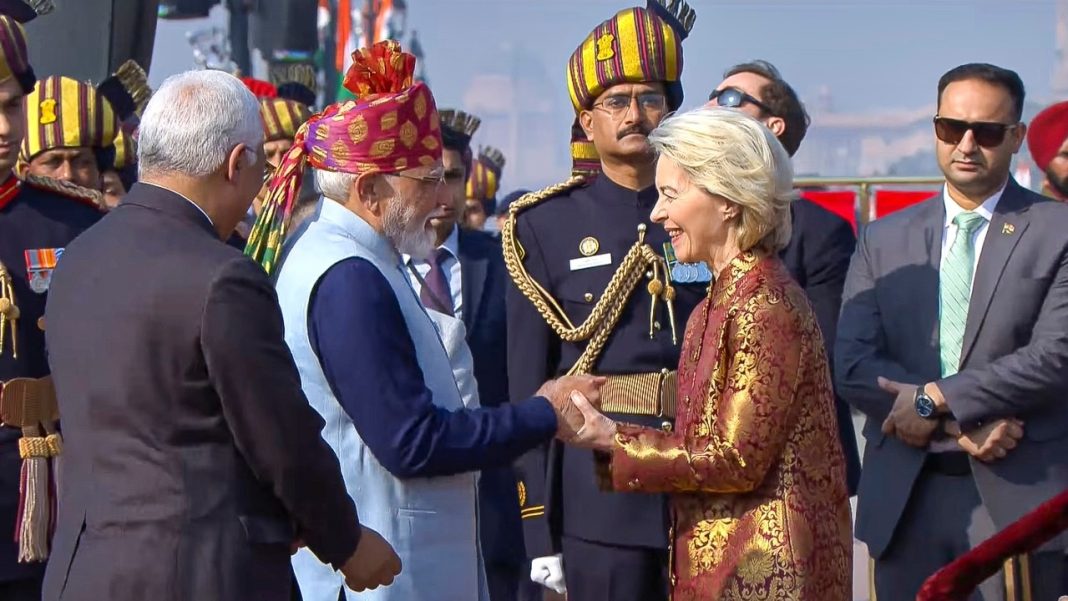
India and the European Union are poised to unveil a landmark climate and clean energy partnership. The announcement will be made during the EU-India summit in New Delhi on January 27, 2026, following the Republic Day celebrations attended by top EU leaders.

What the Partnership Entails
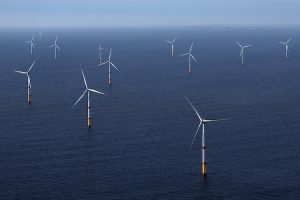
Finalised after months of talks, the agreement centres on joint research, development, and deployment of renewable energy technologies. It specifically targets the solar, wind, and green hydrogen sectors. The deal also establishes a framework for sustainable trade and investment, aiming to reduce tariffs on environmentally friendly goods.
“This is not just a trade agreement; it’s a strategic alliance for the future of our planet,” a senior EU official involved in the talks told India Today. “Both India and the EU recognise the urgent need to accelerate the energy transition and build resilient economies.”
A Strategic Alliance at a Critical Time
The partnership arrives when Europe faces severe climate impacts like heatwaves, and India is driving towards its ambitious goal of 500 GW renewable capacity by 2030. A cornerstone of the deal is the creation of a joint “Clean Energy Technology Hub” in India to foster co-innovation. The EU will offer technical aid and financing to back India’s green manufacturing, including under the Production Linked Incentive (PLI) scheme.
Overcoming Negotiation Hurdles
Negotiations faced challenges, particularly concerning the EU’s Carbon Border Adjustment Mechanism (CBAM), seen by India as a trade barrier, and disputes over clean tech intellectual property rights. Sources confirm a compromise involving a phased CBAM approach and a special licensing system for key technologies.
“The presence of EU leadership at our Republic Day is symbolic of a deeper convergence. We are moving from a buyer-seller relationship to a co-development partnership in clean energy,” said an Indian government official.
Experts Hail a Potential Game-Changer
Climate analysts have welcomed the initiative.
“This partnership could be a game-changer for global climate action. It combines EU’s technological prowess with India’s scale and cost-effectiveness,” said Dr. Anjali Sharma of the Council for Energy, Environment and Water (CEEW).
Broader Implications for India-EU Trade
Beyond climate, this collaboration is expected to act as a “confidence-building measure” to revive talks on the long-stalled India-EU Free Trade Agreement (FTA). It could help resolve other contentious trade issues.
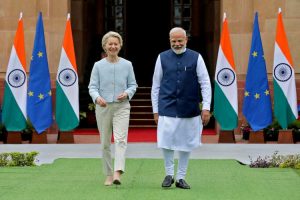
The formal announcement will be made jointly by Prime Minister Narendra Modi, European Commission President Ursula von der Leyen, and European Council President Antonio Costa after the summit.