UN High Seas Treaty Enters Force, Aims to Protect Two-Thirds of Oceans
A historic global pact to protect the world’s oceans has officially become law. The United Nations High Seas Treaty, negotiated for nearly 20 years, entered into force, creating the first legal framework to safeguard marine life in international waters.
Key Takeaways
- The treaty, known as BBNJ, creates rules for Marine Protected Areas (MPAs) on the high seas.
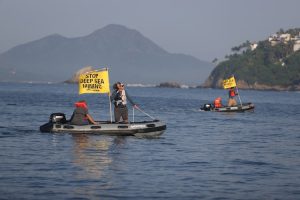
- It mandates environmental impact assessments for activities like deep-sea mining.
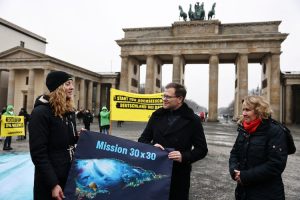
- A major goal is to help achieve the global ’30×30′ conservation target by 2030.
- Over 90 nations have signed, but only 60 have ratified it so far.
What Does the Treaty Do?
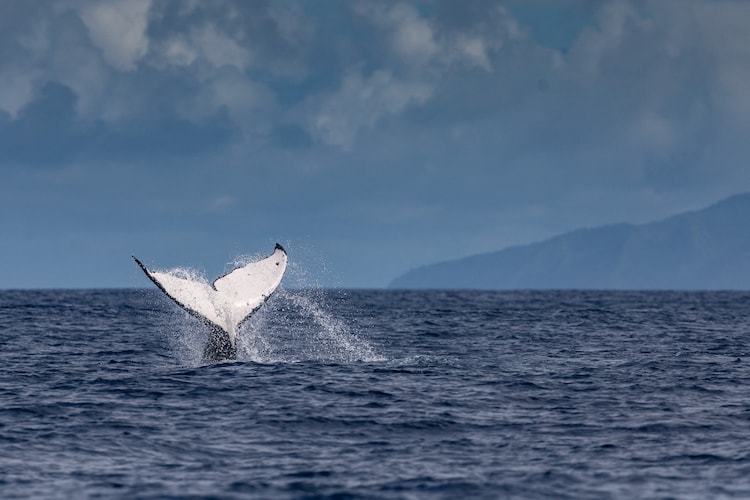
The high seas cover nearly two-thirds of the global ocean but have lacked comprehensive governance, leading to overfishing and pollution. This treaty changes that.
It establishes a legal process to set up marine sanctuaries, requires assessments for potentially harmful activities, and ensures fair sharing of benefits from marine genetic resources—which could lead to new medicines.
“This is a historic day for our oceans. For the first time, we have a legally binding instrument to collectively manage and protect the lifeblood of our planet,” said a UN spokesperson.
Governance and Global Support
The treaty will be managed by a Conference of the Parties (COP), advised by a scientific body. Environmental groups have celebrated its arrival.
“This treaty is a beacon of hope. It gives us the tools to create sanctuaries at sea, safeguard wildlife from industrial fishing, and put science at the heart of decision-making,” said a Greenpeace oceans campaigner.
Challenges Ahead
Despite the milestone, significant hurdles remain:
- Enforcement: Monitoring the vast, remote high seas will be complex and expensive.
- Opposition: Some nations and industries, particularly in deep-sea mining, worry it will limit economic opportunities.
- Ratification: Major powers like the US, China, and Russia have signed but not yet ratified the treaty domestically.
The Road to Implementation
The treaty’s real-world impact hinges on funding and full global participation. The first meeting of its governing body is scheduled for later this year to start the work of creating actual protected areas at sea.
This marks a critical step in a broader effort to preserve our planet’s marine ecosystems for future generations.