
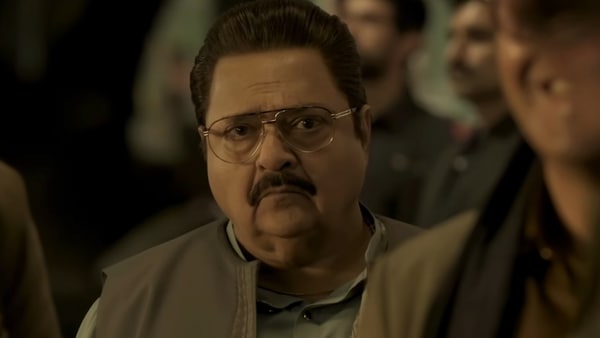
Veteran actor Rakesh Bedi has firmly rejected speculation linking his character in Dhurandhar to Pakistani politician Nabil Gabol, stating that any resemblance between the two is purely coincidental.
Rakesh Bedi clarifies whether his Dhurandhar character is based on Nabil Gabol
The clarification comes amid growing debate around Bedi’s portrayal of Jameel Jamali, a character that has sparked cross-border discussion following the success of the Dhurandhar franchise. The controversy intensified after Gabol himself reacted to the film, with many viewers drawing parallels between the fictional politician and the real-life figure.
In an interview with The Lallantop, Bedi addressed the claims directly. He said, “I would like to say, I love you, Nabil Gabol. I love you very much, and it’s a coincidence that I resemble you a little bit. But I can’t help it.”
The actor further elaborated on the perceived similarity, attributing it largely to physical features rather than any deliberate attempt at imitation. “Neither your father came to India, nor my father went to Pakistan. But aside from our looks, we look alike; we have a slight heaviness in our bodies, which makes us look alike. I even wore similar clothes in the film, so we looked alike. Other than that there is no similarity between me and him,” he said.
Bedi was unequivocal in distancing his performance from any single real-life inspiration. “My character is not based on Nabil Gabol. Jameel Jamali is inspired by many such politicians in Pakistan,” he concluded.
The remarks come at a time when Dhurandhar: The Revenge continues to generate attention both in India and Pakistan. The film’s narrative, centred around political intrigue and espionage, has been widely discussed for its depiction of regional dynamics and fictionalised political figures.
Gabol, a former member of Pakistan’s National Assembly, had earlier expressed dissatisfaction with how a character resembling him was portrayed, even suggesting that the film misrepresented aspects of his public life. At the same time, he also publicly praised Bedi’s performance, creating a complex exchange of criticism and admiration that has fuelled online conversation.


