

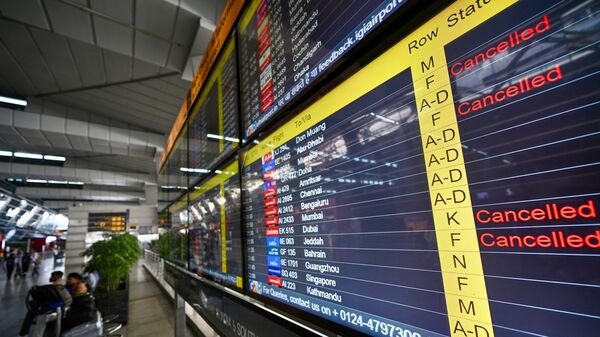
With the ongoing tensions in West Asia, airline operations have been disrupted as several carriers reroute or suspend flights to avoid conflict-hit airspace, leading to longer travel times and widespread schedule changes across international routes.
Most Middle East-based airlines, including Emirates, Qatar Airways, and Etihad, continue to suspend flight services, barring a few special flights. Airspaces in the region remain closed due to the escalating conflict in the region, after the US and Israel launched air strikes against Iran on Saturday, killing its supreme leader. Tehran is retaliating with attacks across the Gulf, targeting airports as well.
For travellers, the conflict and unpredictability of flight schedules and cancellations led to the hassle of adjusting travel plans, worries about rising ticket prices, and mounting concerns about refunds.
Amid travel worries, here we answer whether your insurance covers flight delays or cancellations —
What does the travel insurance coverage depend on?
Travel insurance may cover flight delays or cancellations, depending on the policy terms or specific reasons for the disruption.
Rahul Mathur, CEO at Roinet Insurance Broker Pvt Ltd, said, “Travel insurance can cover flight delays or cancellations, but the coverage usually depends on the terms of your policy. In most cases, insurers provide protection if the disruption is caused by specific reasons such as severe weather conditions, airline strikes, or mechanical issues with the aircraft.”
Noting that the travel insurance coverage varies, the expert advised that it is important to carefully review your policy details, including coverage limits, eligible reasons for delay or cancellation, and the documentation required to file a claim.
Check for other benefits
Along with insurance coverage details, travellers must also check whether the policy provides extra benefits.
“Some travel insurance policies may also offer added benefits. These can include compensation for delayed flights, support for trip rescheduling, or reimbursement for unexpected accommodation expenses if the delay forces you to stay overnight,” Mathur said.
He further suggested, “To fully understand what is covered and what is not, travellers should review their policy documents carefully or contact their insurer before starting the journey.”
As geopolitical tensions continue to impact air travel in the affected region, travellers should not assume that all delays or cancellations will automatically be covered by insurance. As coverage differs across policies, carefully checking terms and understanding the scope of benefits can help avoid last-minute hassles.
Disclaimer: This story is for educational purposes only. The views and recommendations made above are those of individual analysts or experts, and not of Mint.