
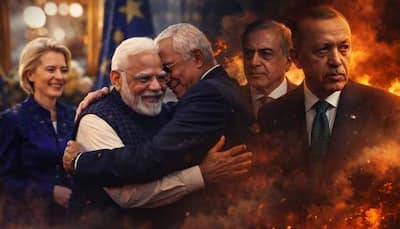
India-EFTA Trade Deal: A Strategic Win with Regional Ripples
India has secured a landmark trade agreement with four European nations, a move analysts say will reshape textile exports to the EU and poses a significant challenge to competitors Turkey, Pakistan, and Bangladesh. The deal was finalised in New Delhi on March 10 with the European Free Trade Association (EFTA) bloc.
Key Takeaways
- Historic Investment: EFTA nations (Switzerland, Norway, Iceland, Liechtenstein) will invest $100 billion in India over 15 years.
- Market Access: India gains duty-free access for its textiles to the massive EU market.
- Competitive Shift: The deal intensifies competition for Turkey, Pakistan, and Bangladesh, whose textile sectors heavily rely on EU exports.
- Broader Strategy: This pact is a stepping stone towards a comprehensive India-EU Free Trade Agreement.
The Core of the Agreement
In exchange for lifting most import duties on industrial goods from the four EFTA countries, India will receive a landmark $100 billion investment pledge spread over 15 years. This investment is expected to boost manufacturing and create new jobs within India.
Why It’s a Setback for Regional Rivals
The European Union represents the largest export market for the textile industries of Turkey, Pakistan, and Bangladesh. India’s new duty-free access under this agreement directly increases competition in this crucial market, potentially affecting the export volumes and pricing power of these three nations.
Benefits for India’s Economy
Beyond textiles, the pact is a major foreign policy and economic success. It is projected to significantly increase India’s overall exports to the EU, strengthen diplomatic ties, and contribute to broader economic growth. This agreement also serves as a positive momentum builder for the ongoing negotiations for a full .
The deal underscores India’s strategic focus on deepening trade partnerships with Europe, positioning its industries for greater global competition while attracting substantial foreign investment.


