
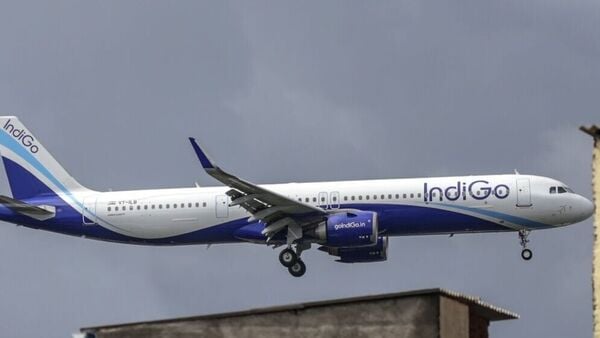
IndiGo Gives Up 700+ Airport Slots After Winter Schedule Cut
IndiGo, India’s largest airline, has surrendered over 700 take-off and landing slots at major domestic airports. This follows a 10% reduction in its winter flight schedule, a direct result of the ongoing grounding of aircraft due to engine problems.
Key Impact of the Slot Surrender
- Over 700 slots returned for the October-March winter schedule.
- Major affected airports include Delhi, Mumbai, Bengaluru, Hyderabad, and Kolkata.
- Slots relate directly to flights that cannot be operated by grounded aircraft.
“IndiGo has returned over 700 slots for the winter schedule. The airline has returned slots at all major airports. The airline has returned slots for flights that were scheduled to be operated by the grounded aircraft,” a source said.
The airline did not respond to official queries on the matter.
Why Slots Are Critical
Airport slots are specific time windows allocated for take-offs and landings. Airlines must typically use at least 80% of their allocated slots, or risk losing them to competitors. IndiGo’s return of slots indicates a significant, planned reduction in operations.
The Root Cause: Pratt & Whitney Engine Issues
The core issue is the grounding of over 70 IndiGo aircraft fitted with problematic Pratt & Whitney engines. The airline anticipates this number could rise to 80 by the end of the current financial year.
This crisis has forced IndiGo to:
- Downgrade its annual capacity growth forecast to “mid-teens” from “more than mid-teens”.
- Lease additional aircraft, including wide-body planes, to maintain international services.
- Cancel numerous domestic flights to destinations like Goa, Srinagar, and Port Blair.
Industry-Wide Ripple Effects
The problem isn’t confined to IndiGo. Rival carrier has also grounded over 20 aircraft due to similar engine issues, leading to its own flight cancellations.
The collective reduction in airline capacity has triggered a sharp rise in airfares. Travel agents report ticket prices have surged by up to 30% on some popular routes.
Regulatory Response
The Directorate General of Civil Aviation (DGCA) has stepped in, directing airlines to avoid charging excessive fares due to the capacity crunch. The regulator has also mandated that carriers must provide alternative flights or full refunds to passengers affected by cancellations.


