Wireless EV Charging Roads: The Future of Electric Transportation
A revolutionary wireless charging system in France is demonstrating how roads can power electric vehicles while they’re moving, delivering over 300 kilowatts of power to eliminate charging stops during long trips.
Key Takeaways
- Roads with embedded coils can charge moving EVs with 300+ kW power
- Technology successfully tested on trucks, vans, cars, and buses
- US projects already underway in Detroit and Indiana
- Could eliminate range anxiety and reduce battery costs
The Technology Behind Wireless Charging Roads
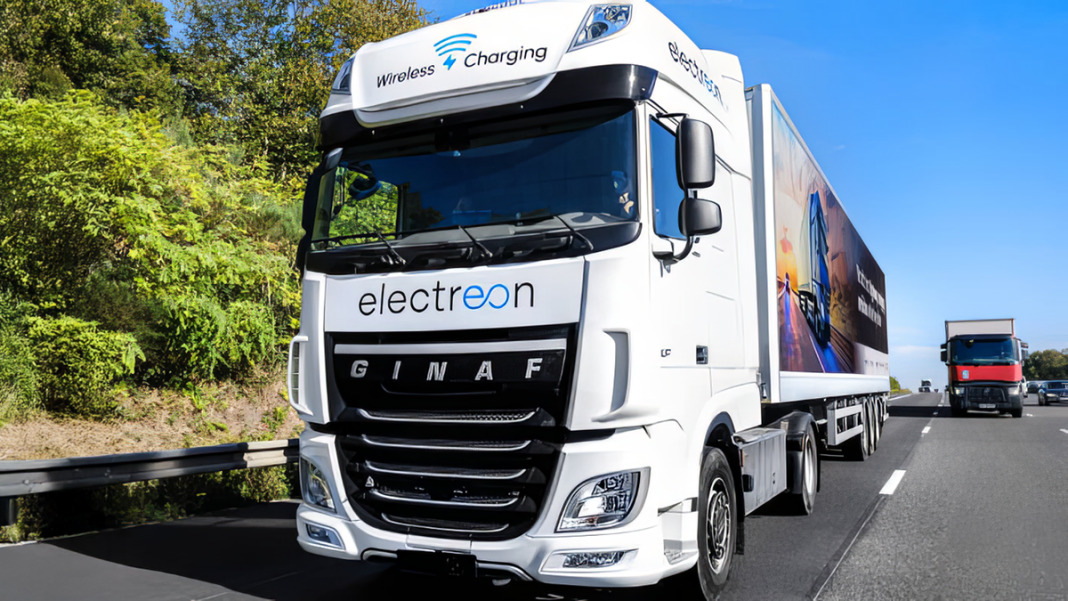
Electreon Wireless, in partnership with Vinci Construction, Gustave Eiffel University and Hutchinson, has installed a one-mile test track near Paris that transfers energy to EVs in motion through embedded coils.
The system has already powered multiple vehicle types equipped with special pickup coils. Early testing shows peak power exceeding 300 kW and steady-state power over 200 kW – sufficient to keep large cargo trucks operating for extended distances without stopping.
Transformative Potential for Transportation
Widespread adoption of dynamic wireless charging could fundamentally change how America powers its transportation systems. Heavy-duty trucks could utilize smaller, more affordable batteries, while delivery vehicles and buses could maximize operational time with reduced downtime.
For everyday drivers, this technology could completely eliminate range anxiety. Instead of searching for charging stations, the highway itself would become the power source, enabling continuous travel without interruption.
Current Implementation and Expansion
This innovation extends beyond Europe. In Detroit, Michigan, 14th Street already features embedded charging coils that power moving EVs. Meanwhile, Purdue University and the Indiana Department of Transportation are constructing a quarter-mile highway section specifically designed to charge electric vehicles, including heavy trucks, during travel.
The convenience of recharging during normal driving operations – without stopping, plugging in, or waiting – could significantly boost EV adoption across the United States, simultaneously reducing emissions and fuel expenses for millions of Americans.
Challenges and Future Outlook
Significant questions remain regarding implementation costs and operational control. The funding model for installing these power roads and associated usage fees need resolution through public-private partnerships before large-scale deployment becomes feasible.
Despite these challenges, the rapid technological advancement and growing global momentum suggest dynamic wireless charging will eventually become integrated into everyday driving, potentially redefining mobility and sustainability standards.