
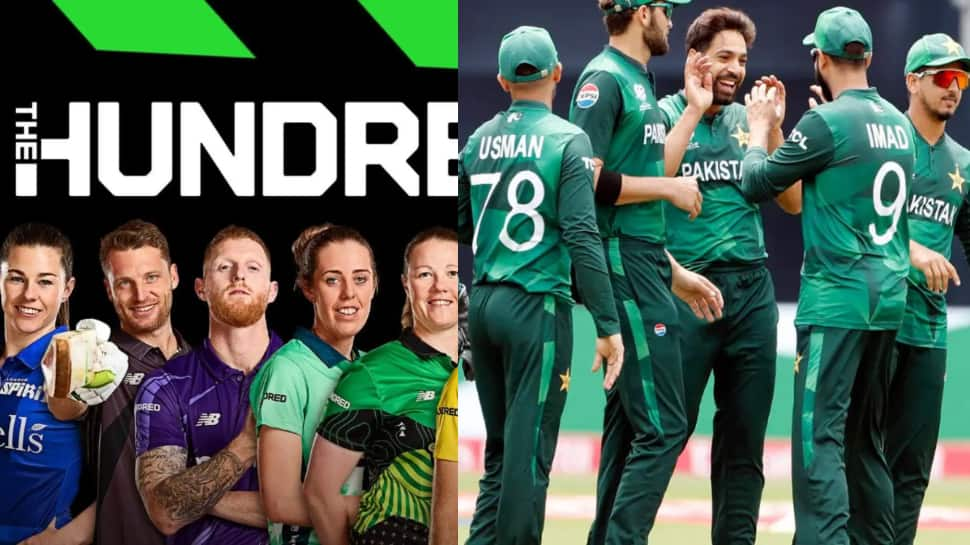
The England and Wales Cricket Board (ECB) has formally communicated with the eight franchises of The Hundred to remind them of their mandatory anti-discrimination responsibilities. This intervention follows recent reports indicating that the four teams under Indian ownership are not considering Pakistan cricketers for the player auction scheduled for March 11 and 12.
The Context of Exclusion
The tension stems from the long-standing political friction between India and Pakistan, which has historically prevented Pakistan players from participating in the Indian Premier League (IPL). As IPL owners have expanded their portfolios to include teams in global leagues, this trend of exclusion has followed. The Hundred, which recently underwent a shift in ownership structure, is now facing similar scrutiny as teams begin whittling down their lists of interest from nearly 1,000 applicants to a longlist of under 200.
The Governing Body’s Stance
ECB Chief Executive Richard Gould has previously been vocal about his expectations for the competition’s inclusivity. Last year, Gould stated that he expected “players from all nations to be selected for all teams” and highlighted that “clear anti-discrimination policies” were in place to protect the integrity of the tournament.
While the ECB sold stakes in the eight franchises last year, it maintained overall regulatory control. However, the governing body faces a complex challenge: it cannot legally force a team to select a specific individual. To pursue an accusation of discrimination, the board would require definitive evidence of biased selection processes.
Regulatory Oversight and Potential Penalties
If evidence of discriminatory practices surfaces, the ECB has several avenues for recourse:
The Cricket Regulator: The governing body can refer specific franchises to this independent regulator, which possesses the authority to conduct autonomous investigations.
Direct Punishments: Aside from independent regulatory action, the ECB holds the power to issue its own sanctions and punishments against non-compliant franchises.
Pakistan’s Presence in the Tournament
The previous edition of The Hundred, which was the final season before the influx of new private investment, featured Pakistan internationals Mohammad Amir and Imad Wasim. For the 2026 auction, the interest from Pakistan remains high, with more than 60 players from the nation among the 964 total individuals who have signed up.
Among those hoping for selection is veteran batter Babar Azam, who notably played in the Big Bash League last winter. As the franchises submit their initial lists this week, the cricketing world will be watching closely to see if the ECB’s reminder ensures a fair and merit-based selection process for all international stars.
Indian Franchises
The four Hundred franchises with Indian ownership (or significant stakes held by Indian companies/groups, many linked to IPL teams) as of 2026 are:
Manchester Super Giants (formerly Manchester Originals)
Owned by RPSG Group (70% stake, purchased for £81m), the same group behind IPL’s Lucknow Super Giants. Lancashire retains 30%.
MI London (formerly Oval Invincibles)
Owned by Reliance Industries Limited (Ambani family, 49% stake for around £60m), who also own IPL’s Mumbai Indians. Surrey holds the majority (51%).
Southern Brave
Owned by GMR Group (49% stake for £48m), co-owners of IPL’s Delhi Capitals. They also took over host county Hampshire. Hampshire retains 51%.
Sunrisers Leeds (formerly Northern Superchargers)
Fully owned (100%) by Sun Group (Sun TV Network, purchased for £100m), owners of IPL’s Sunrisers Hyderabad.


