
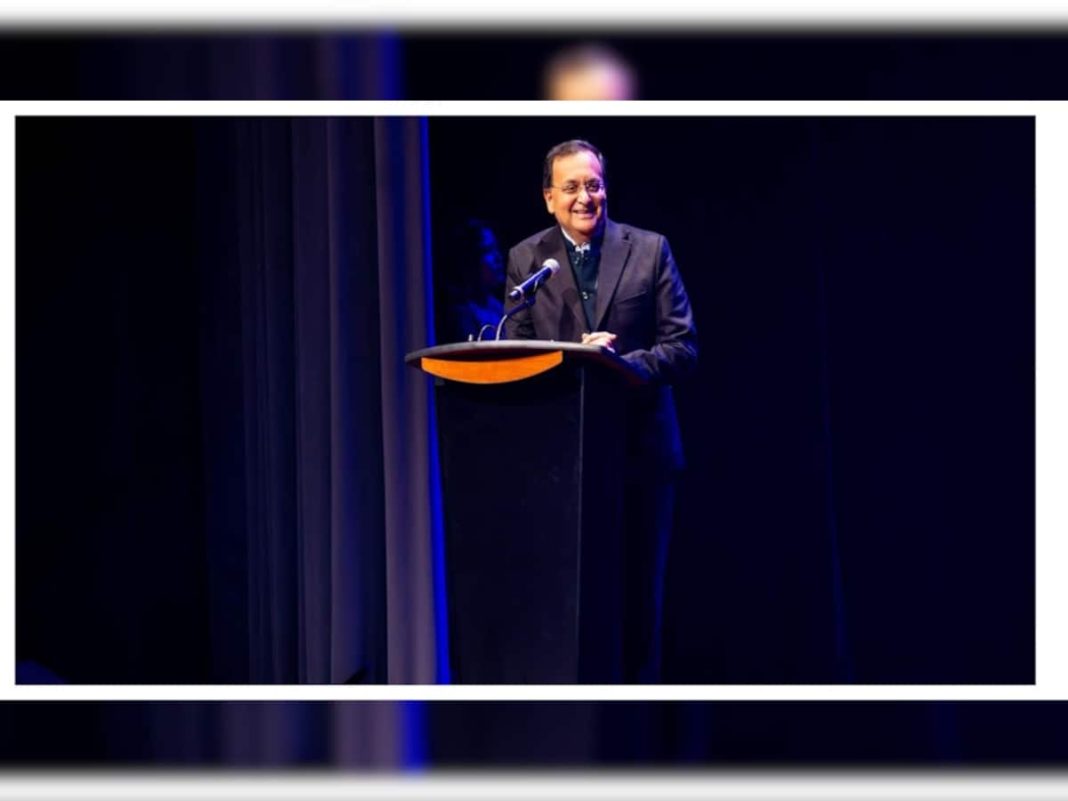
India’s High Commissioner to Canada, Dinesh Patnaik, has expressed optimism that India and Canada could conclude a comprehensive trade agreement within a year, despite past delays in negotiations, The Canadian Press reported.
Speaking ahead of Canadian Prime Minister Mark Carney’s anticipated visit to India, Patnaik said a 12-month timeline for finalising the proposed Comprehensive Economic Partnership Agreement (CEPA) is achievable given the evolving geopolitical landscape and growing need for collaboration across sectors.
“We expect it to be much faster, given that we both have had enough experience of doing these kinds of free trade agreements in the last one or two years,” Patnaik said, as quoted by The Canadian Press.
Trade negotiations between the two countries, which began in 2010, have stalled multiple times. However, in November, Prime Minister Narendra Modi and Carney agreed to formally relaunch talks on the CEPA, which is expected to cover trade in goods and services, investments, agriculture, and digital commerce.
On the sidelines of the G20 Summit in Johannesburg, PM Modi and Carney “agreed to begin negotiations on a high-ambition Comprehensive Economic Partnership Agreement (CEPA), aimed at doubling bilateral trade to USD 50 billion by 2030,” a statement from the Ministry of External Affairs read.
Last month, sources in the MEA said that Prime Minister Mark Carney is set to visit India in the first week of March.
The Canadian Prime Minister’s visit is likely to see the signing of deals on uranium, energy, minerals, and Artificial Intelligence, and there would be a key focus on trade during his visit.
Patnaik indicated that Carney’s upcoming visit is likely to include meetings with senior government representatives and business leaders in New Delhi and Mumbai, aimed at advancing bilateral engagement.
Highlighting recent progress, the envoy noted that India and Canada have signed several agreements over the past year in areas such as energy, climate change, high-technology research and climate-resilient agriculture and emphasised that both leaders are keen to strengthen economic ties, The Canadian Press reported.
“Both the prime ministers are very keen, so the intent is there on both sides,” he said.
Patnaik also pointed out that both countries have gained significant experience in negotiating trade agreements in recent years.
“The way we look at the world has changed. We have moved on to our positions, both of us. And so a lot of the issues which are there in the past, which could have held us back, are probably more resolvable now,” he said, as quoted by The Canadian Press.
According to the envoy, there are no major policy conflicts between the two nations, and their economies are largely complementary. He noted that Canada is a major exporter of commodities, while India represents a vast consumer market, reducing the likelihood of direct competition between industries.
He further stated that typical sticking points in trade negotiations, such as phytosanitary standards, government procurement rules and customs procedures, are not posing significant challenges in the current discussions.
“We really don’t compete on many issues,” Patnaik added, as quoted by The Canadian Press, underscoring the potential for a mutually beneficial trade pact.


