
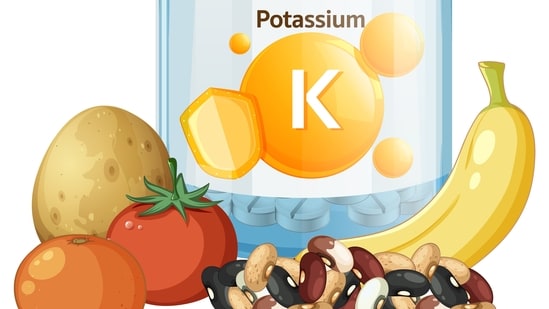
According to Dr Levine, when potassium levels spike, they don’t just cause discomfort — they can literally ‘shut off’ the heart’s electrical system. He titled his post, ‘Potassium: too much in your blood could kill you’, and wrote in his caption, “Very high potassium can stop the heart. Who’s at risk?”
The ‘perfect storm’ for cardiac arrest
Potassium is essential for muscle function, but the body relies on a delicate balance. Dr Levine warned that three specific factors often combine to create a life-threatening buildup:
⦿ Kidney disease: As kidney function declines, the body loses its primary filter for excess potassium.
⦿ Common medications: Life-saving drugs for blood pressure and heart failure — specifically ACE inhibitors, ARBs, and spironolactone — instruct the body to retain potassium.
⦿ The age factor: In elderly patients, the combination of ageing kidneys and these medications can lead to a “perfect storm” of toxicity.
Dr Levine shared, “A patient can come in weak and lightheaded, only to find their potassium is 6 or higher. At these levels, the heart rate slows down significantly, which can lead to sudden collapse or death.”
Hidden hazards: beyond the banana
Most people associate potassium with bananas, but Dr Levine pointed out that the real ‘culprits’ were often hidden in healthy diets or ‘low-sodium’ alternatives. The doctor specifically flagged salt substitutes as potentially lethal for those with kidney issues, as they replace sodium with high concentrations of potassium chloride.
Sharing a list of high-risk foods to watch, he said: “If you’re at risk, you need to be on the lookout. You need to have a chart, and I’ll place it at the end. And if you aren’t sure, please do your research on high-potassium foods: beets and avocados. These contain significantly more potassium than bananas; spinach and sweet potatoes are among the highest. And salt substitutes: many of those low-sodium salts replace sodium with potassium chloride, which can be lethal for someone with kidney issues.”
Proactive steps for heart safety
Dr Levine’s message was clear: hyperkalemia is not just a ‘lab value’ to be ignored. If you have heart failure, take blood pressure medication, or have kidney impairment, you must be your own advocate. “It’s not just a lab value. It’s a vital safety check,” Dr Levine said.
His advice for at-risk patients:
⦿ Demand a discussion: Ask your physician specifically about your potassium levels.
⦿ Audit your diet: Research high-potassium foods and keep a chart of what to avoid.
⦿ Monitor symptoms: Do not ignore unexplained weakness, lightheadedness, or a slow heart rate.
Note to readers: This report is based on user-generated content from social media. HT.com has not independently verified the claims and does not endorse them.
This article is for informational purposes only and not a substitute for professional medical advice.


