
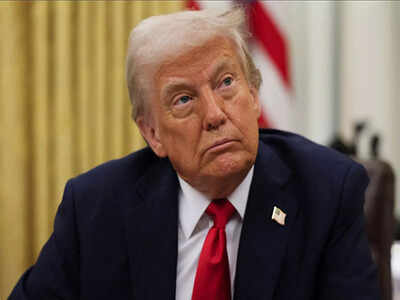
United States President Donald Trump expressed strong displeasure at the Supreme Court on Friday after it struck down his sweeping global tariff regime, calling the majority verdict “a disgrace” during a private meeting with governors, a person familiar with the president’s reaction told AP. Writing for the majority, Chief Justice John Roberts said the Constitution makes it “very clear” that the authority to levy taxes, including tariffs, rests with Congress. “The Framers did not vest any part of the taxing power in the Executive Branch,” he noted.
Justices Samuel Alito, Clarence Thomas and Brett Kavanaugh dissented, with Kavanaugh arguing that irrespective of their policy merits, the tariffs were lawful based on constitutional text, historical practice and legal precedent.
Trump was meeting privately with nearly two dozen governors from both parties when the decision was released. The White House did not immediately respond to requests for comment.
The court also left unresolved whether companies would be eligible for refunds on the billions of dollars already paid under the tariff regime. Several firms, including retail giant Costco, have moved lower courts seeking repayment, with Kavanaugh cautioning that the process could prove complex.
The Supreme Court ruling comes despite a series of short-term wins on the court’s emergency docket that have allowed Trump to push ahead with extraordinary flexes of executive power on issues ranging from high-profile firings to major federal funding cuts.
The Republican president has been vocal about the case, calling it one of the most important in U.S. history and saying a ruling against him would be an economic body blow to the country.
But legal opposition crossed the political spectrum, including libertarian and pro-business groups that are typically aligned with the GOP. Polling has found tariffs aren’t broadly popular with the public, amid wider voter concern about affordability.
The Constitution gives Congress the power to levy tariffs. But the Trump administration argued that a 1977 law allowing the president to regulate importation during emergencies also allows him to set tariffs. Other presidents have used the law dozens of times, often to impose sanctions, but Trump was the first president to invoke it for import taxes.


