Ramadan is that time of the year, when eyes turn skyward, searching for that elusive sliver of the crescent moon that ushers the holiest month, one of reflection, prayer, and unity. It’s more than a date on the calendar; it’s a reset button for the soul.
Families gather, hearts swell with purpose, and the world slows for dawn-to-dusk quickly that build patience and gratitude. From the hustle and bustle of souks to quiet home iftars, this lunar rhythm connects billions across borders, reminding us of faith’s simple beauty amid life’s chaos.
No apps or clocks decide when this holi month arrives, actually nature and calendars do, through that first glimpse after sunset.
A wave of excitement ripples through Muslim communities worldwide, as families step outside eagerly, with their eyes scanning the horizon for that first beautiful crescent, which marks the sacred signal of Ramadan’s arrival.
Hearts race with joy and hope, knowing this moon heralds a month of fasting, prayer, and spiritual renewal. Children carry the fun of suhoor feasts, while elders share stories of past blessings. It’s a timeless ritual uniting billions, turning ordinary evenings into moments of divine anticipation. Will it appear tonight, or grant one more day for people to prepare?
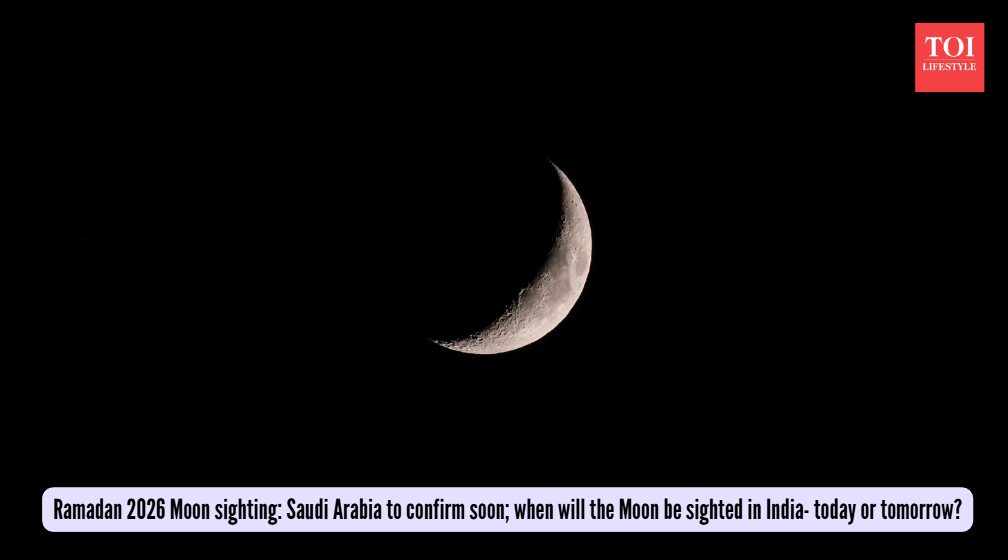
Saudi Arabia leads the Moon sighting
Religious authorities in Saudi Arabia kicked off their search for the Ramadan crescent on Tuesday evening, February 17, 2026, with an official announcement expected around 6:00 pm local time from the Supreme Judicial Council.
If sighted, fasting across the Kingdom, UAE, and nearby Gulf states will begin Wednesday, February 18, marking the end of Dhu al-Hijjah or Sha’ban and the start of special Taraweeh prayers that night .
However, there are slim odds favoring the sighting today, per the UK’s Nautical Almanac Office, the astronomical new moon forms at 3:01 pm Mecca time (12:01 GMT), leaving the crescent too young and setting soon after sunset. A coinciding solar eclipse further clouds visibility, though officials remain vigilant for any miracle glimpse.
UAE’s moon sighting will be followed by Middle East countries
UAE’s Moon-Sighting Committee and similar bodies in Qatar, Kuwait, and Bahrain will align with Saudi’s call, potentially starting fasts tomorrow if confirmed, as per a Gulf News report.
Ramadan, obligatory for healthy adult Muslims, spans 29-30 days following the lunar cycle, culminating in Eid al-Fitr celebrations.
When is Ramadan moon spotted in India and neighbouring countries
In India, Pakistan, Bangladesh, and Sri Lanka, Ramadan often starts a day after the Gulf countries because of differences in moon visibility and difference in viewing angles. If Saudi Arabia sights the crescent on Tuesday, these regions will likely search on Wednesday, with fasting beginning Thursday, February 1.

Communities look to trusted figures like Delhi’s Jama Masjid Shahi Imam Syed Ahmed Bukhari, and leading seminaries in Lucknow from Nadvatul Ulama, Kolkata, and Mumbai for the final word. Kerala’s Muslims frequently see it first in India due to their western location, similar to Pakistan’s Khyber Pakhtunkhwa province.
Pakistan and South Asia’s unique timing
Pakistan’s Ruet-e-Hilal Committee will scan skies Wednesday nationwide, but Khyber Pakhtunkhwa committees act Tuesday, often pioneering due to its western position, according to Dawn.
Bangladesh and Sri Lanka follow India’s lead, awaiting local or Saudi cues.
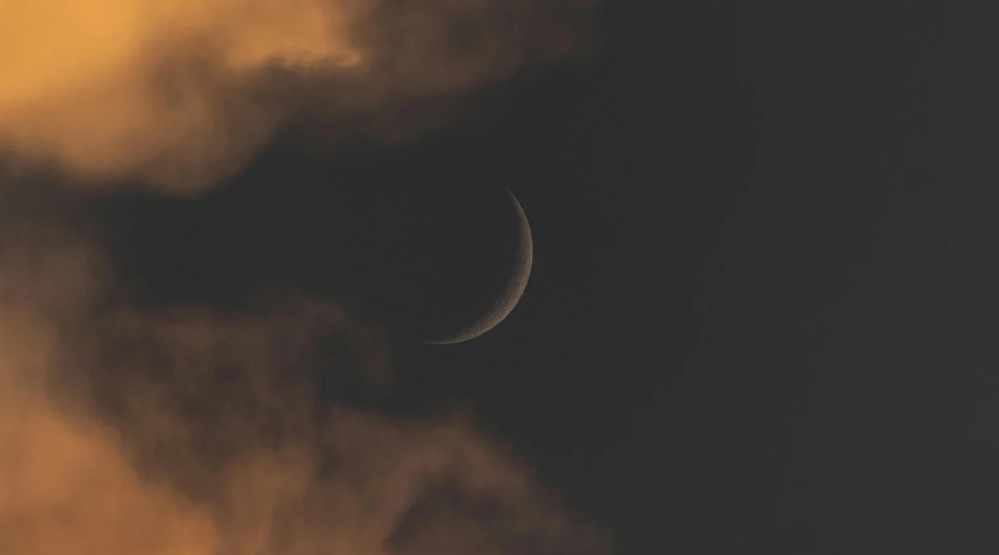
Why is Moon sighting important?
Moon sightings hold deep importance in Islam as it marks the start and end of Ramadan, the sacred month of fasting. This simple, time-honoured tradition depends on eyewitnesses spotting the crescent after sunset, rather than just calculations, fostering community unity and humility.
It signals when believers begin dawn-to-dusk fasts, Taraweeh prayers, and acts of charity, building spiritual discipline. Slight regional differences in visibility create diverse patterns, but the shared anticipation strengthens faith. Ending with Eid-ul-Fitr, it celebrates renewal.