
Archaeologists have made a discovery that many consider one of the most important since Tutankhamun’s tomb was found. They revealed a vast, 3,000-year-old “City of Gold” hidden beneath the sands of Egypt’s Eastern Desert.
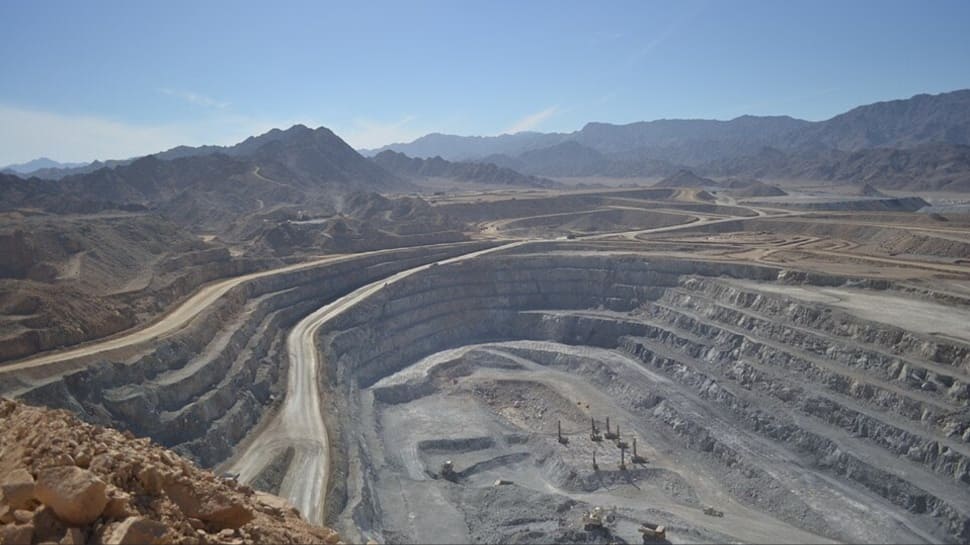
This ancient industrial hub is located in the rugged Sukari Mountains, which are also known for one of the largest gold mines in the world. The site provides a rare glimpse into the advanced gold-processing methods of the Pharaonic era.
A 3,000-year-old industrial powerhouse
The excavation is part of the Ministry of Tourism and Antiquities’ project called “Reviving the Ancient City of Gold.” It has uncovered a factory complex built for large-scale gold production. Unlike temporary camps, this site was a well-planned industrial center from the Third Intermediate Period (around 1000 BCE).
Key features of the processing hub include:
Grinding stations: Large stone tools used to crush quartz rock and release fine gold veins.
Filtration basins: Sedimentation tanks designed to separate the precious metal from stone dust using water.
Clay smelting furnaces: Specialised high-temperature ovens for melting and purifying gold into ingots.
Beyond the mine: A thriving desert community
What makes this find unique is the discovery of a large residential area. Evidence shows this was a busy town where workers lived, worshipped, and raised families.
“This was a carefully organized operation,” said Mohamed Ismail Khaled of Egypt’s Supreme Council of Antiquities. “Gold was not just collected; it was skillfully extracted and refined. The layout indicates that tools, work areas, and living spaces were arranged thoughtfully, reflecting advanced town planning.”
1,000 years of continuous life
Although the city’s “Golden Age” started 3,000 years ago, the site stayed important for many centuries. Excavations have revealed layers of history:
Ptolemaic era: Bronze coins, bathhouses, and administrative buildings were found.
Roman & Islamic periods: Architectural remains show the site was in use for over a thousand years.
The ‘Ostraca’ library: More than 628 pottery fragments (ostraca) were discovered, inscribed in hieroglyphic, demotic, and Greek. This highlights a diverse, multicultural workforce.
Preserving history amidst modern mining
The discovery is dangerously close to the current Sukari Gold Mine. To protect this “City of Gold,” Egyptian authorities have started an extensive preservation effort. Key architectural elements are being moved to a safe area 3 kilometers north.
A large 6-acre replica of the ancient camp has been built next to a modern visitor center. This center has high-resolution screens and interactive displays, allowing the public to explore the lives of the ancient miners who helped create the legendary wealth of the Pharaohs.


