
Key Takeaways
- The Covid-19 pandemic exposed critical gaps in India’s health infrastructure, demanding urgent reform.
- Future success hinges on five pillars: primary care, workforce, technology, financing, and prevention.
- Achieving this vision requires political will, increased public funding, and a shift to a preventive, people-centric model.
India’s health system stands at a critical juncture. While progress has been made, the pandemic starkly revealed systemic weaknesses, making a resilient and equitable overhaul an urgent national priority.
The Current Health Landscape: Challenges and Disparities
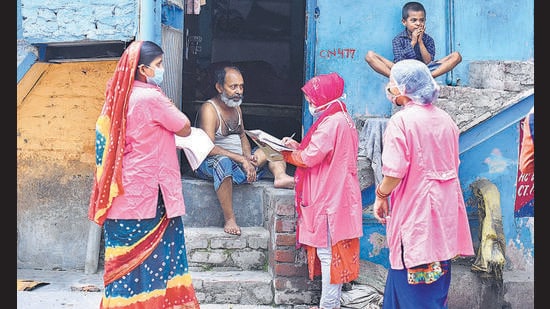
India’s healthcare is a complex mix of public and private services, marked by deep inequalities. World-class facilities in cities contrast sharply with a lack of basic care in rural areas. This divide, worsened by economic factors, sees millions impoverished by medical bills annually. The disease burden is also dual, with rising non-communicable diseases alongside persistent infectious threats.
Five Pillars for a Future-Ready Health System
1. Strengthen Primary Healthcare
A strong primary care network is the essential first contact, offering continuous care and easing pressure on major hospitals. Initiatives like Ayushman Bharat’s Health and Wellness Centres are positive but need sustained investment, staffing, and management to succeed.
2. Invest in the Health Workforce
India faces a severe shortage of doctors, nurses, and health professionals, especially in rural regions. Solutions include expanding training, improving work conditions, and using technology for skill development. Empowering community health workers like ASHAs and integrating them formally is crucial.
3. Leverage Technology and Innovation
Telemedicine, AI diagnostics, and digital health records can revolutionise access and quality. The National Digital Health Mission aims to create a unified system, but bridging the digital divide and ensuring data security are vital for public trust.
4. Overhaul Health Financing
Over-dependence on out-of-pocket spending is unsustainable. Public health expenditure must rise to at least 2.5% of GDP. This should be paired with strategic private sector engagement and strengthening insurance schemes like for financial protection.
5. Foster Prevention and Health Promotion
With lifestyle diseases on the rise, proactive measures are key. Effective public campaigns, school programs, and regulations on tobacco and unhealthy food are needed. Holistically integrating traditional systems like Ayurveda and Yoga can further promote wellness.
The Path Forward
Transforming India’s health system requires unwavering political commitment, collaboration across sectors, and active community involvement. The goal is a decisive shift from a hospital-focused, curative approach to a preventive, promotive, and people-centric model. By embedding equity, resilience, and innovation at its core, India can secure its citizens’ health and position itself as a global healthcare leader. The time for action is now.


