Himalayan Tsunami Threat: IIT Study Puts 9.3 Million at Flood Risk

Key Takeaways

  • 9.3 million people in the Himalayan region are at risk from catastrophic glacial lake floods.
  • Glacial lakes in High Mountain Asia expanded by 10% in area between 1990 and 2020.
  • The fastest-growing lakes, which are most dangerous, saw area increases of 47% to 56%.
  • Researchers call for urgent international collaboration on monitoring and early warning systems.

A major new study from IIT Roorkee warns that the threat of a Himalayan “tsunami”—a sudden glacial lake flood—is rising sharply, putting over 9.3 million people at direct risk.

The research, published in Nature Communications, reveals a dramatic expansion of glacial lakes in the High Mountain Asia region over the last 30 years. The total surface area of these lakes grew by 10%, with the number of lakes increasing by 6.27%.

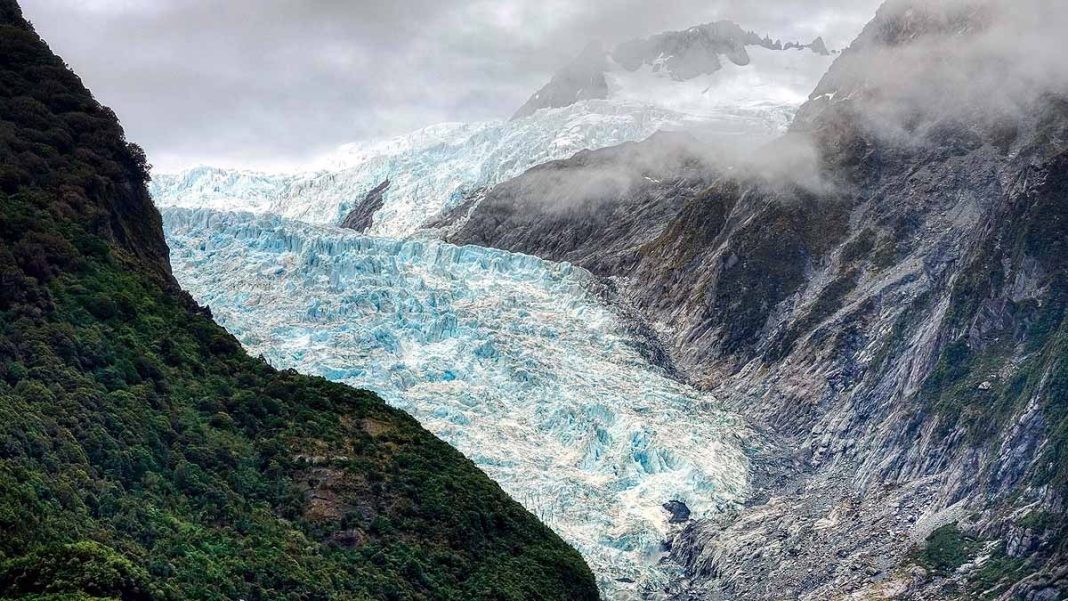
Illustration of Himalayan glacial lakes expanding, representing flood risk.
The Himalayas are becoming top-heavy with water. A new IIT Roorkee study shows glacial lakes are expanding fast, putting 93 lakh people at risk of sudden, Kedarnath-style floods. (Photo: Pixabay)

What is a GLOF and Why is the Risk Growing?

The study identified 6,353 significant glacial lakes in 2020. Their expansion has drastically increased the risk of Glacial Lake Outburst Floods (GLOFs)—sudden, catastrophic releases of water that can wipe out entire valleys downstream.

“The rapid growth of glacial lakes in the High Mountain Asia region is a clear indicator of climate change,” said Dr. Mohd Farooq Azam, Associate Professor at IIT Roorkee and study co-author. “These lakes are becoming increasingly hazardous, posing a significant threat to communities and infrastructure.”

Most Dangerous Lakes Growing Fastest

The research pinpointed the lakes posing the greatest danger. Proglacial lakes (formed in front of glaciers) grew by 47%, while supraglacial lakes (on top of glaciers) expanded by 56%. These ice-contact lakes are most prone to triggering a catastrophic breach.

Snow-covered Himalayan range as seen from Uttarakhand.
The Himalayan range after recent snowfall, as seen from Pauri Garhwal district, Uttarakhand, on January 29, 2026. (Photo: PTI)

India’s Vulnerability and the Kedarnath Memory

Within the region, India witnessed a 40% rise in the number of glacial lakes and a 59% expansion in their total area. The Ganga basin, a critical water source for millions, saw the highest number of new lakes form.

The 2013 Kedarnath disaster, triggered by a GLOF, remains a grim benchmark. That event caused thousands of deaths and widespread destruction, highlighting the scale of the threat.

Call for Urgent Action and Global Cooperation

Dr. Azam stressed the need for immediate measures. “Our findings underscore the urgent need for continuous monitoring using satellite data and on-ground surveys. Developing robust early warning systems is crucial to protect vulnerable populations.”

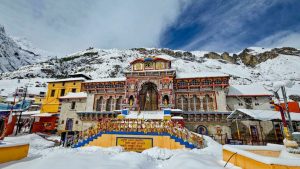
Badrinath Temple with snow-capped mountains in the background.
The Badrinath Temple is seen against snow-capped mountains after fresh snowfall in Chamoli district, Uttarakhand on February 2, 2026. (Photo: PTI)

The study calls for international collaboration, as a lake in one country can flood communities in another. The team has made their full glacial lake inventory public to aid global research and policy efforts to avert future disasters.
Latest

China tests World’s first airborne megawatt wind turbine, powers grid from 2,000 metres

Environment News: China has reportedly achieved a world first by successfully testing a megawatt‑class airborne wind power system that can generate electricit

Climate change adds to woes of ‘tiger widows’ of Sunderbans

Environment News: GOSABA (SUNDARBANS): Even in knee-deep murky waters, Rina Sarkar is nimble on her feet as she navigates the slippery mudbanks of Chargheri vil

Mumbai records Feb’s fifth worst AQI at 130; ‘moderate’ as per CPCB’s SAMEER app

Environment News: MUMBAI: Mumbai on Friday recorded its fifth highest Air Quality Index (AQI) of February at 130, categorised as 'moderate' by the Central Pollu

Weather Bee: Is winter over?

The average maximum in the past week was like the average maximum usual for the week ending February 26 or later.

Great Nicobar Project: India’s ₹72,000 Crore Security Bet vs. Ecology

Inside the fierce debate over the Great Nicobar Island mega-project: strategic counter to China or ecological disaster threatening tribes and forests.

Topics

Why the US and Iran may exit a costly war

A popular narrative doing the rounds is that the US and Israel underestimated Iran and that the latter is giving them hell by fighting back heroically

Need a stronger WTO to fight Trump’s trade pivot

The Cameroon ministerial meeting this week offers a platform for countries, including India, to secure the global trade body from American unilateralism

Jal Jeevan Mission 2.0: Beyond pipes & pumps

India has already demonstrated that universal rural water access is achievable with determination and collaboration

Bhutan delegation visits UPSC to study examination management system

New Delhi, A three-member delegation from the Royal Civil...

Rajasthan’s hidden secret to fight summers, and why it matters now

Known as Orans, these community-protected landscapes bring together vegetation, water, and local belief to create pockets where heat is less intense and life co

The Strait of Hormuz and India’s Structural Energy Vulnerability

As per IEA'S Oil Market Report, global oil supply is already estimated to have fallen by at least 8 million barrels per day in March alone

Why Trump is desperate to end the war and Iran is in no hurry

Donald Trump is keen to cut losses and end the Iran war before it becomes even a bigger liability for him and the United States. However, Iran is reluctant to p
spot_img

Related Articles

Popular Categories

spot_imgspot_img