
16.1 C
Delhi
Thursday, February 5, 2026

US Weighs Response to Iran-Backed Attack; Risks of Wider War

US Vows Response After Deadly Drone Attack; Weighs Options on Iran

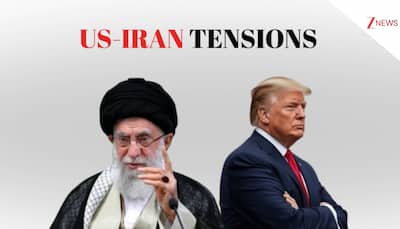
The United States has pledged to retaliate after a drone strike by Iran-backed militants killed three American soldiers and injured 40 others in Jordan. This marks the first fatal attack on US forces since the Israel-Hamas conflict began. President Joe Biden has stated a decision on the response has been made, with preparations underway for strikes in the Middle East.

Key Takeaways

  • The US blames the Iran-backed ‘Islamic Resistance in Iraq’ for the deadly Jordan attack.
  • President Biden has decided on a response but seeks to avoid a full-scale war with Iran.
  • Potential US actions range from direct strikes on Iran to targeting its proxies or pursuing diplomacy.
  • Any military escalation risks a wider regional conflict and global economic shock.

Possible US Response Scenarios

The Biden administration is navigating a complex crisis, balancing the need for a forceful response with the danger of triggering a broader war. Here are the potential paths forward:

1. Direct Military Strike on Iran

A direct US attack on Iran would be the most escalatory option. Iran’s powerful military could retaliate with missile strikes on US bases across the region and target American allies like Israel and Saudi Arabia.

A critical global risk would be Iran blocking the Strait of Hormuz, a vital oil shipping lane. This would cause oil prices to skyrocket, potentially triggering a global recession.

2. Strikes on Iran-Backed Proxy Groups

A more likely, though still risky, option is for the US to target Iran-backed militant groups in Iraq and Syria. While less escalatory than a direct strike on Iran, it could still provoke Tehran to order its proxies to increase attacks on US forces or target American interests worldwide.

3. Diplomatic De-escalation

The US could pursue a diplomatic solution, working to de-escalate tensions and prevent further attacks. However, with no formal diplomatic relations between the US and Iran since 1979, this path is considered unlikely in the current climate.

Wider Implications of a US-Iran Confrontation

Impact on the Middle East

A US attack on Iran would have a devastating impact on the Middle East, likely sparking a wider war involving regional powers. The conflict could cause a severe humanitarian crisis, displacing millions and resulting in significant loss of life.

Impact on the Global Stage

Beyond the immediate region, a confrontation would send shockwaves through the global economy via soaring oil prices. It could also accelerate a nuclear arms race in the Middle East, as Iran might decide to speed up its nuclear program in response.

The Biden administration now faces a defining test: crafting a response that holds Iran accountable for the attack on its troops while meticulously avoiding steps that could plunge the entire region into a catastrophic war. The world watches as Washington weighs its next move.


Latest

India Rejects Trump’s Oil Claim, Says Energy Policy Guided by National Interest

India responds to Donald Trump's claim on Russian oil, asserting its right to buy from anywhere to ensure affordable energy for its people.

Russia Responds to Trump’s Claim on India Halting Russian Oil Imports

Moscow dismisses Trump's debate remark, asserting India's sovereignty in energy decisions and reaffirming the strong Russia-India strategic partnership.

Balochistan Attacks Alarm China and US Over Security, CPEC

Recent violence in Balochistan threatens China's CPEC investments and regional stability, worrying both Beijing and Washington. Analysis inside.

Epstein List Released: Trump Named in Court Documents

A US court unseals the Jeffrey Epstein associate list, naming Donald Trump. See what the documents reveal and what it means.

India-US Trade Deal: A Strategic Blow to China’s Economy

How a new India-US trade agreement could reduce China's exports, impact its slowing economy, and shift global supply chains.

Topics

India-US Tech Summit Sets $500 Billion Bilateral Trade Goal

NASSCOM announces a $500 billion trade target from the India-US Technology Summit, focusing on AI, cybersecurity, 5G, and quantum computing.

PM Modi’s Rajya Sabha Retort: From Bittu to Indira Gandhi, Key Quotes

PM Modi's fiery Rajya Sabha speech targeted dynastic politics, defended his reforms, and outlined his 'Guarantee' for India's future. Read the top quotes.

India Rejects Trump’s Oil Claim, Says Energy Policy Guided by National Interest

India responds to Donald Trump's claim on Russian oil, asserting its right to buy from anywhere to ensure affordable energy for its people.

Ghaziabad Sisters’ Suicide: Note Blames Online Gaming, Exam Stress

Two minor sisters in Ghaziabad died by suicide, leaving a note citing online gaming addiction and poor exam performance. Police are investigating.

Al Falah University Chairman Arrested by Delhi Police in Fraud Case

Delhi Police arrests Javad Siddiqui, chairman of Al Falah University, following a UGC complaint alleging cheating and fraud. Details on the investigation.

Russia Responds to Trump’s Claim on India Halting Russian Oil Imports

Moscow dismisses Trump's debate remark, asserting India's sovereignty in energy decisions and reaffirming the strong Russia-India strategic partnership.

Jaishankar Meets US Senator Rubio, Reviews Bilateral Cooperation

External Affairs Minister S. Jaishankar discusses bilateral ties with US Senator Marco Rubio and holds talks with Secretary of State Antony Blinken during his US visit.

Balochistan Attacks Alarm China and US Over Security, CPEC

Recent violence in Balochistan threatens China's CPEC investments and regional stability, worrying both Beijing and Washington. Analysis inside.
spot_img

Related Articles

Popular Categories

spot_imgspot_img