
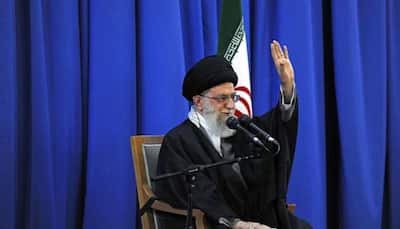
Iran’s Khamenei Warns US Attack Would Spark ‘Regional War’
Iran’s Supreme Leader Ayatollah Ali Khamenei has issued a stark warning that any US military action against Iran would escalate into a full-scale regional conflict. The warning comes amid soaring tensions over Tehran’s nuclear program and its activities in the Middle East.
Key Takeaways
- Iran’s Supreme Leader warns a US attack would trigger a “regional war.”
- The US has deployed more troops to the region and reimposed sanctions.
- Iran has scaled back its nuclear deal commitments and threatened further steps.
- Both sides state they do not seek war but are prepared for conflict.
Direct Threat from the Supreme Leader
In a speech to military officers, Ayatollah Khamenei stated, “If the Americans want to start a war with Iran, they will be hit from all sides.” He emphasized, “Any attack by the US on Iran will be met with a regional war.”
Khamenei asserted that Iran would not initiate hostilities but would respond forcefully. “The Islamic Republic will never start a war, but if the enemy starts a war, it will be hit hard,” he said.
Background of the Escalating Standoff
The current crisis stems from the US withdrawal from the 2015 nuclear deal in 2018 and the subsequent reimposition of severe sanctions on Iran. Washington accuses Tehran of attacks on oil tankers and Saudi facilities, which Iran denies.
In response, Iran has incrementally reduced its compliance with the nuclear pact, urging European signatories to deliver promised economic benefits.
US Position and Regional Stakes
The warning followed comments by former US President Donald Trump, who stated he hoped to avoid war but that America was “prepared, more than prepared.” The US has bolstered its military presence in the Gulf, citing Iranian threats.
The standoff has global implications, primarily due to the risk to oil supplies. Iran has threatened to close the Strait of Hormuz—a vital chokepoint for 20% of the world’s oil—if its own exports are blocked. The US has vowed to keep the strait open.
Efforts by other world powers to salvage the nuclear agreement have so far yielded little progress, leaving the region on a knife’s edge.


