
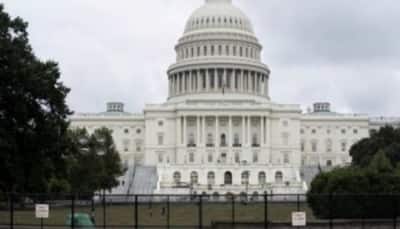
US Government Enters Partial Shutdown After Budget Deadline Missed
The US government has entered a partial shutdown after Congress failed to pass a budget for the 2026 fiscal year by the midnight deadline. This marks the first shutdown in nearly five years, highlighting deep political divisions in Washington.
Key Takeaways
- The shutdown began early Saturday, affecting non-essential federal services and furloughing hundreds of thousands of employees.
- Essential services like national security, air traffic control, and Social Security payments continue unaffected.
- Political deadlock over border security, foreign aid, and domestic spending is at the core of the impasse.
- Congressional leaders plan weekend negotiations to reach a deal to reopen the government.
What Services Are Affected?
The partial shutdown impacts several non-essential federal operations. National parks, museums, and some passport offices face closures or reduced hours. Hundreds of thousands of federal employees are expected to be furloughed.
Root of the Budget Impasse
The shutdown stems from a deadlock between Democrats and Republicans over spending priorities. Key sticking points include funding levels for , foreign aid, and domestic social programs. Lawmakers also failed to agree on a stopgap funding bill, known as a continuing resolution, which would have averted the shutdown.
Essential Services Continue
Critical government functions remain operational. This includes national security, air traffic control, law enforcement, and entitlement programs. Social Security and Medicare benefits are unaffected.
Political Blame Game
President Joe Biden placed blame on “extreme House Republicans,” stating they “failed in their most basic duty.” Republican leaders countered, arguing the administration and Senate Democrats were unwilling to negotiate on key issues like border security.
Economic Impact and Next Steps
This is the first partial shutdown in five years and threatens to disrupt the economy if prolonged. Financial markets are expected to react negatively when they reopen on Monday. Congressional leaders from both parties have indicated they will work through the weekend to try and reach a deal.


