NASA Delays Artemis II Moon Mission to 2025, Pushes Lunar Landing to 2026
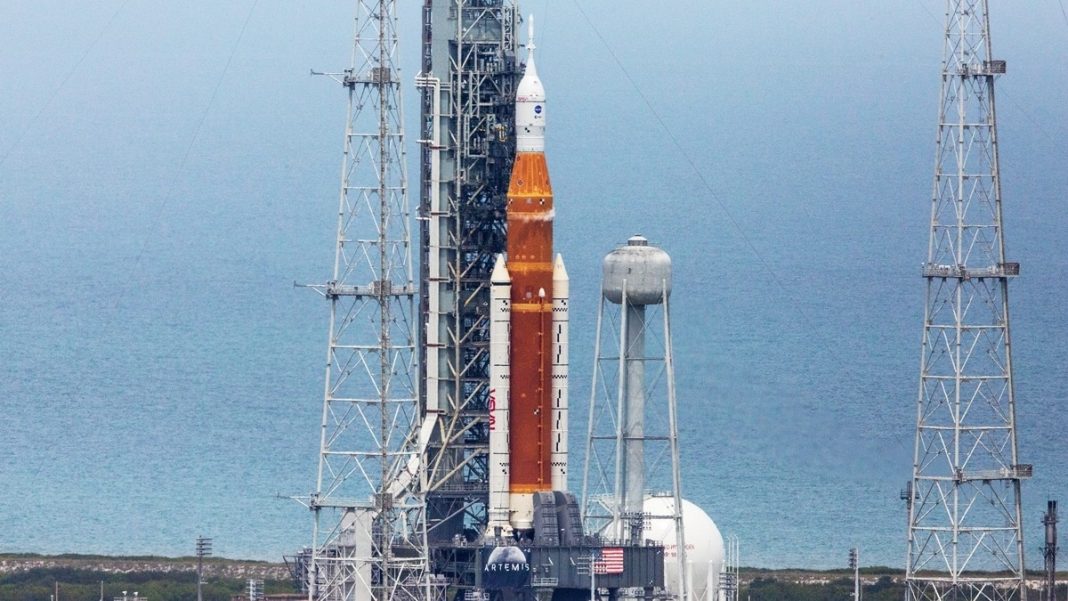
NASA has postponed its first crewed Artemis Moon mission to September 2025, citing unresolved technical issues with its spacecraft and rocket. The delay of the Artemis II flight, which will send four astronauts around the Moon, also pushes the subsequent Artemis III lunar landing mission to September 2026.
Key Takeaways
- Artemis II Launch: Delayed from November 2024 to September 2025.
- Artemis III Landing: Pushed to September 2026.
- Primary Reason: Technical challenges with Orion spacecraft and SLS rocket, prioritizing astronaut safety.
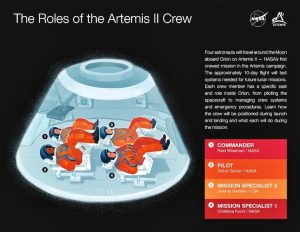
- Crew: Training continues for astronauts Reid Wiseman, Victor Glover, Christina Koch, and Jeremy Hansen.
Safety First: The Core Reason for the Delay
The American space agency is working to fix several problems discovered during testing. NASA Administrator Bill Nelson emphasized that safety is the non-negotiable top priority.
“We are returning to the Moon in a way we never have before, and the safety of our astronauts is Nasa’s top priority as we prepare for future Artemis missions,” Nelson said.
Technical Hurdles Facing the Orion Spacecraft
The delay stems from multiple technical challenges identified with the Orion spacecraft, which will carry the crew. Key issues include:
- An electrical fault in the spacecraft’s life support system.
- A battery problem on the Orion capsule.
- Ongoing analysis of the heat shield, which showed more wear than expected during the 2022 Artemis I test flight.
Catherine Koerner, a senior NASA official, stated the team is focused on resolving these open issues from the previous mission.
“We are resolving the remaining open issues from Artemis I. We are closer than ever to establishing sustained exploration of Earth’s nearest neighbor under Artemis,” said Catherine Koerner, associate administrator of Nasa’s Exploration Systems Development Mission Directorate.
Ripple Effect: Artemis III Lunar Landing Also Pushed Back
The Artemis II mission is a critical test flight before attempting a Moon landing. The delay has a direct impact on the Artemis III timeline, now set for September 2026. NASA also cited development challenges with the SpaceX Starship lunar lander and new spacesuits by Axiom Space.
Amit Kshatriya of NASA’s Moon to Mars program explained the cautious approach, letting engineering data guide all decisions.
“We are letting the hardware talk to us so that crew safety drives our decision-making. We will use the Artemis II flight test, and each flight that follows, to reduce risk for future Moon missions,” said Amit Kshatriya, deputy associate administrator of the Moon to Mars Program Office.
While the wait is longer, NASA’s message is clear: the historic return to the Moon will happen only when every system is certified safe for the pioneering crew.