
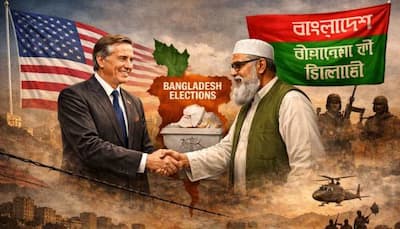
US Courts Banned Jamaat-e-Islami Ahead of Bangladesh Polls, Sparking Kabul 2.0 Fears
The United States is reportedly engaging with Bangladesh’s banned Jamaat-e-Islami party ahead of national elections, drawing sharp criticism and comparisons to its failed Taliban outreach in Afghanistan.
Key Takeaways
- The US is reportedly seeking to bring the banned Jamaat-e-Islami into Bangladesh’s political mainstream.
- The party is accused of war crimes and terror links, and has been barred from elections since 2013.
- The move has been condemned by the Bangladeshi government as foreign interference.
- Analysts warn it risks destabilizing the country and the upcoming polls.
Controversial Outreach
According to reports from Washington, US officials are attempting to facilitate Jamaat-e-Islami’s entry into Bangladesh’s electoral process. The party faces a ban from contesting elections due to its alleged involvement in war crimes during the 1971 Liberation War and links to terrorist organizations.
Strong Opposition from Dhaka
The Bangladeshi government has strongly criticized the US move, accusing it of meddling in internal affairs and attempting to destabilize the nation. The engagement has sparked a major diplomatic row between the two countries.
Afghanistan Parallels Drawn
Several analysts have drawn direct parallels to US engagement with the Taliban prior to the fall of Kabul. They argue Washington is repeating a dangerous mistake by legitimizing a group with a history of violence and extremism.
They argue that the US is making the same mistake in Bangladesh that it made in Afghanistan, by engaging with a group that has a history of violence and extremism.
The Democracy Argument
A counter-view suggests the US is acting to promote inclusive democracy. Proponents believe all political groups, even controversial ones, should be allowed to participate in the electoral process for genuine pluralism.
Election Impact and Regional Risks
The US gambit is expected to significantly impact Bangladesh’s upcoming general elections. Potential consequences include:
- Increased political polarization and violence.
- Greater challenges in conducting free and fair polls.
- Long-term destabilization affecting the entire region.
The long-term repercussions remain uncertain, but the move is widely seen as a high-risk strategy with potential for serious fallout.


