
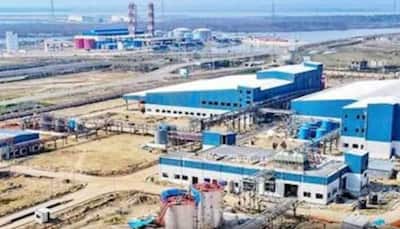
Bangladesh Cancels Major Indian Economic Zone Project
Bangladesh has officially cancelled a planned Indian Special Economic Zone (SEZ) in Chattogram, dealing a significant blow to a key bilateral investment project announced in 2019. The decision, based on a finding that the acquired land was unsuitable for industry, marks a notable shift in economic diplomacy between the two neighbours.
Key Takeaways
- Bangladesh cancels 1,000-acre Indian SEZ in Chattogram’s Mirsarai area.
- Official reason: land found unsuitable due to low-lying terrain and poor soil.
- Decision follows PM Sheikh Hasina’s call for a “balanced” relationship with India.
- Seen as a setback for India’s economic outreach amid rising local sentiment.
Why the Project Was Scrapped
The Bangladesh Economic Zones Authority (BEZA) concluded the 1,000-acre site in Mirsarai was unfit for industrial use. Officials cited the area’s low-lying nature and poor soil quality, which would have demanded prohibitively high infrastructure investment, rendering the project unviable.
The SEZ, announced during Prime Minister Sheikh Hasina’s 2019 visit to India, was envisioned as a major hub for Indian investment in pharmaceuticals, textiles, and engineering.
Broader Economic and Political Context
The cancellation arrives as Bangladesh actively courts foreign investment to fuel its economy, despite several underperforming economic zones. It represents a clear setback for India’s strategy to expand its economic footprint in Bangladesh, its largest trading partner where trade balance favours New Delhi.
The move is also viewed against a backdrop of rising anti-India sentiment in Bangladesh, often linked to perceptions of political interference.
Hasina’s Delhi Address and Bilateral Ties
Recently, in a speech in New Delhi, PM Sheikh Hasina emphasised the need for a “balanced” relationship with India. She assured that Bangladesh would not permit its territory to be used for activities harming India’s security.
Analysts see the SEZ cancellation as a sign of Dhaka’s growing assertiveness and a reflection of the complex challenges India faces in deepening economic ties with neighbouring countries.


