
Kaja Kallas Explains Strategic Shift Behind India EU Trade Breakthrough
Key Takeaways
- EU’s next foreign policy chief links India trade deal to reducing dependency on China.
- Breakthrough on auto and spirits tariffs clears path for long-stalled BTIA talks.
- Strategy framed as “de-risking,” not decoupling, to build resilient supply chains.
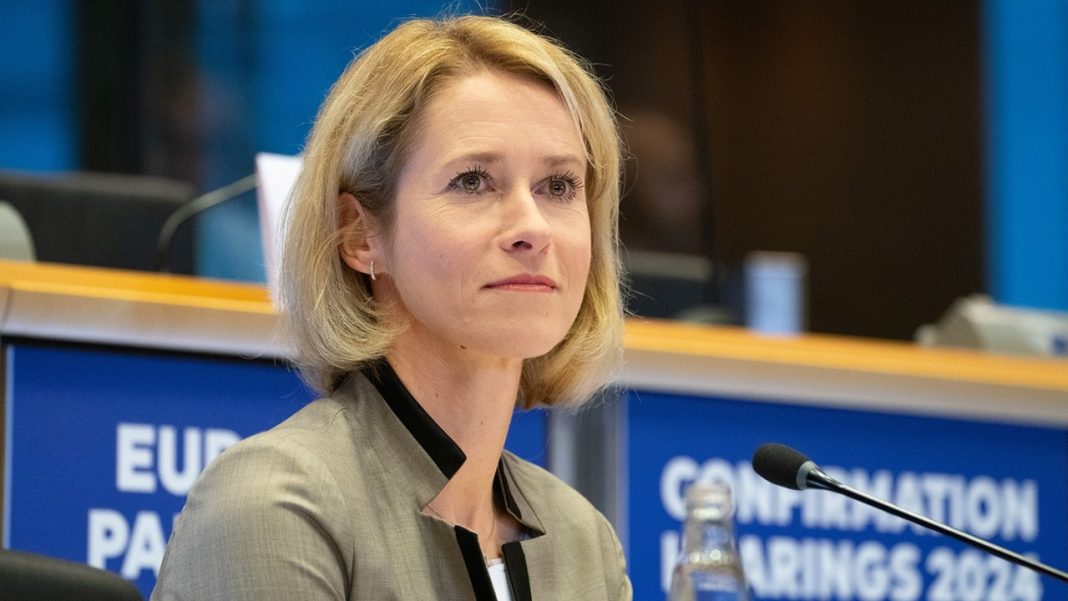
Estonian Prime Minister Kaja Kallas has revealed the strategic rationale behind the recent India-EU trade breakthrough, directly connecting it to Europe’s urgent need to lessen its economic reliance on China. Set to become the EU’s next foreign policy chief, Kallas framed the deal as a core part of the bloc’s geopolitical security.
The “De-risking” Imperative
In an interview, Kallas stated the push to finalise a trade deal with India is part of a broader “de-risking” strategy. “We are too much dependent on China . . . so we have to look for other markets,” she said. This marks a clear shift in Brussels’ approach, where trade pacts are now tools for managing strategic risk.
Breakthrough Unlocks Stalled Talks
Kallas’s comments follow a major development where India and the EU resolved a critical deadlock over tariffs on automobiles, Scotch whisky, and French brandy. This resolution paves the way for formal negotiations to resume on the long-stalled Broad-based Trade and Investment Agreement (BTIA).
Building Reliable Partnerships
Known for her strong stance against Russia, Kallas positioned the India deal as vital for building “reliable supply chains” and diversifying economic partnerships. She emphasised the goal is not to “decouple” from China but to ensure resilience by managing over-reliance on a single, often adversarial, economic power.
The remarks underscore a fundamental rethinking in EU foreign economic policy, aligning trade directly with geopolitical security objectives.


