The University Grants Commission (UGC) has introduced stricter anti-discrimination rules for colleges and universities, replacing the 2012 framework. The new ‘UGC Equity and Non-Discrimination Regulations, 2026’ mandate faster redressal, broader protections, and stronger penalties, responding to a sharp 118% rise in caste discrimination complaints.
Key Takeaways
- New rules expand protected categories to include gender identity, sexual orientation, and economic background.
- A multi-member Equity Committee must meet within 24 hours of a complaint.
- Entire redressal process must conclude within 45 days, a major shift from the old rules which had no deadlines.
- Annual sensitisation training for all campus members is now mandatory.
Parliamentary data shows complaints jumped from 173 in 2019-20 to 378 in 2023-24. The regulations, effective from the 2026-27 academic year, aim to close enforcement gaps.
Major Upgrades in the 2026 UGC Regulations
1. Broader Definition of Discrimination
The scope now explicitly covers gender identity, sexual orientation, nationality, and social or economic background. Prohibited acts include segregation in hostels, denial of facilities, and public humiliation.
2. From Single Officer to Full Committee
Instead of one Anti-Discrimination Officer, each institution must form an Equity Committee chaired by its head (VC/Principal). It includes faculty, staff, student reps, and external experts from marginalised communities.
3. Strict 45-Day Redressal Timeline
This is a critical change from the 2012 rules which had no deadlines.
- 24 hours: Equity Committee must meet after complaint.
- 15 working days: Committee submits report to head.
- 7 days: Institution must act on recommendations.
- 45 days total: Maximum time for entire process.
4. Mandatory Training & Annual Reporting
All students, faculty, and staff must undergo annual sensitisation. Institutions must also submit detailed annual compliance reports to the UGC.
Safeguards and Penalties Under New Rules
The framework introduces several protective measures:
- Anti-victimisation clause: Harassing complainants or witnesses is a separate offence.
- Interim relief: Committee can order measures like restraining the accused during inquiry.
- Graded penalties: Ranging from counselling and apology to expulsion for students, termination for staff, and even derecognition of the institution.
- Anonymous complaints: Can be inquired into if they contain verifiable details.
Criticisms and Implementation Challenges
Despite the intent, the regulations face significant pushback.
Practical Feasibility Concerns
University administrators call the 24-hour meeting rule impractical for large campuses, fearing procedural failures.
Fear of Misuse and Vague Definitions
Critics warn broad terms like “social boycott” or “derogatory remarks” are subjective and could be weaponised for personal vendettas, stifling academic debate.
Widespread Protests
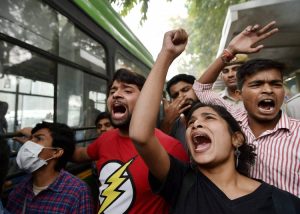
Sections of faculty and students have protested, calling the rules “draconian” and an infringement on freedom of speech and association.
Historical Implementation Failure
The 2012 rules were poorly implemented, with many institutions not appointing the required officer. Skeptics doubt the more complex 2026 system will succeed without more resources and political will.
The Road Ahead for Campus Equity
The UGC’s 2026 regulations mark a serious attempt to tackle rising discrimination. The committee-based model with tight deadlines shows intent. However, balancing prevention of discrimination with fair procedure remains a challenge.
Success from the 2026-27 session will depend on clear implementation guidelines, adequate institutional support, and continuous feedback. The rules are likely to evolve through judicial review and on-ground experience.