
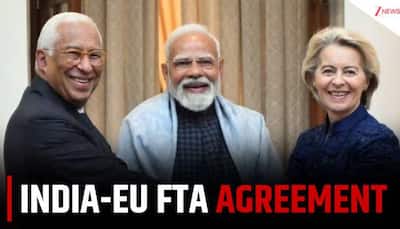
India and the European Union are forging a deeper strategic alliance, moving beyond trade to become pivotal partners in a shifting world order. Shared democratic values and mutual strategic interests are driving this evolution, positioning New Delhi as a key partner for Brussels.
Key Takeaways
- The EU sees India as a vital democratic counterweight and market alternative to China.
- Long-pending Free Trade Agreement (FTA) talks are gaining fresh momentum.
- Cooperation spans green energy, digital governance, and global security.
Strategic Alignment in a Multipolar Era
Europe is actively diversifying its global partnerships to reduce dependencies. India, as a major Indo-Pacific democracy, is central to ensuring regional stability. Both share concerns over China’s assertiveness and are committed to a balanced, rules-based international system. The EU’s Indo-Pacific strategy dovetails with India’s regional diplomacy, enabling joint work on maritime security and connectivity.
Economic Partnership and De-risking
The EU is India’s second-largest trading partner and a top investor. The renewed push for a comprehensive and an Investment Protection Agreement is a top priority. For Europe, India represents a vast consumer market and a crucial manufacturing alternative—core to its “de-risking” approach from China. For India, access to European technology, capital, and sustainable finance is essential for growth.
Collaboration on Green and Digital Futures
India’s target of 500 GW non-fossil energy capacity by 2030 aligns with the EU’s Green Deal, creating massive scope for collaboration in green hydrogen and solar power. In the digital sphere, joint efforts on trusted technology, AI, and data governance can help set global standards. The EU-India Trade and Technology Council (TTC) is the key platform steering this cooperation.
Tackling Global Issues Together
On challenges from climate change to food security, India and the EU have converging interests. India’s role as a voice of the Global South helps the EU build wider coalitions. The partnership is also focused on reforming multilateral institutions to address transnational threats effectively.
Navigating Challenges Ahead
Differences on issues like the Ukraine conflict and certain trade barriers remain. However, the strategic and economic imperative for closer ties is overwhelming. Finalising the FTA, boosting defence cooperation, and creating resilient supply chains are the immediate steps. As other major partnerships show limitations, India and the EU increasingly view each other as indispensable allies for an uncertain century.


