
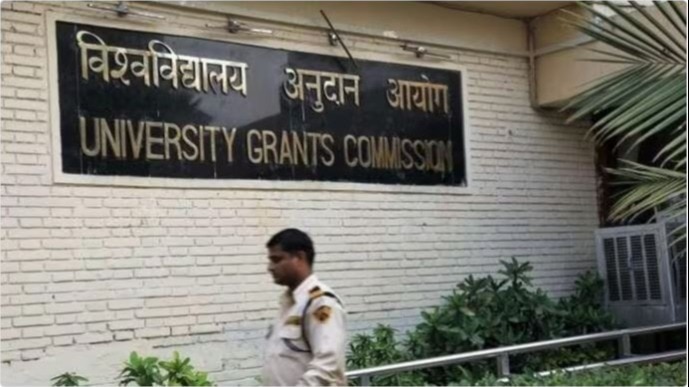
UGC Guidelines Spark Debate Over Equity in Higher Education
Key Takeaways
- New UGC guidelines for admissions and faculty hiring have triggered a nationwide debate.
- Critics fear the rules may disadvantage reserved categories and economically weaker sections.
- UGC defends the move as a step towards standardisation and merit-based quality.
- Political opposition and student-teacher protests are mounting as the final decision awaits public feedback.
The University Grants Commission (UGC) has rolled out new guidelines for higher education institutions, igniting a fierce debate on equity, discrimination, and the future of affirmative action in India.
What Are the New UGC Guidelines?
The guidelines primarily focus on standardising processes for student admissions and faculty recruitment. According to the UGC, the aim is to ensure transparency and maintain quality across institutions.
Why Are the Guidelines Controversial?
Critics, including activists and educators, argue that the provisions could marginalise students and teachers from Scheduled Castes (SC), Scheduled Tribes (ST), Other Backward Classes (OBC), and economically weaker sections (EWS).
The main points of contention are:
- Admissions: Increased weightage to entrance exam scores, which some say overlooks socio-economic disadvantages.
- Faculty Recruitment: New criteria for hiring that activists claim dilute the spirit of reservation policies.
Official Defence and Public Feedback
UGC officials have defended the guidelines, stating they are designed to uphold merit while providing equal opportunities. They have opened a channel for stakeholder feedback before final implementation, a process now under intense scrutiny.
Political and Institutional Reaction
The issue has quickly gained political momentum. Several opposition parties are demanding a complete rollback of the guidelines. Adding institutional weight, the National Commission for Scheduled Castes (NCSC) has formally sought clarification from the UGC.
Mounting Protests and Next Steps
As the debate intensifies, major student unions and teachers’ associations are planning nationwide protests. The final decision on the guidelines is expected only after a comprehensive review of the public feedback received.
The outcome will significantly shape the accessibility and equity landscape of Indian higher education.


