
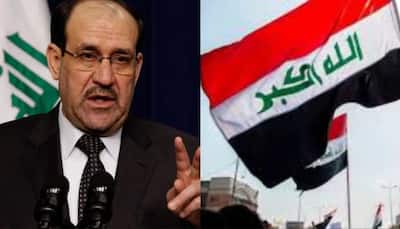
Iraq’s Political Time Loop: Why Nouri al-Maliki’s Comeback Raises Fears of Another National Collapse
Key Takeaways:
- Former Prime Minister Nouri al-Maliki, whose tenure saw sectarian violence and the rise of ISIS, is again the most powerful politician in Iraq.
- His return signals a failure of political reform and risks reigniting instability and sectarian conflict.
- The international community watches with concern but has limited leverage to influence Iraq’s internal power dynamics.
The resurgence of former Prime Minister Nouri al-Maliki as Iraq’s political kingmaker has triggered alarm over a potential return to the instability that marked his previous rule. His comeback underscores a political system trapped in a cycle of corruption and dysfunction since the 2003 invasion.
A Controversial Legacy Returns to Power
Nouri al-Maliki served as Prime Minister from 2006 to 2014, a period defined by widespread corruption, sectarian policies that alienated Sunnis, and the catastrophic rise of the Islamic State (ISIS). Forced to step down after ISIS captured major territories, he has meticulously rebuilt his influence. He now leads the State of Law coalition and is considered the paramount power broker in Baghdad’s corridors.
Why Maliki’s Comeback Spells Danger
Analysts point to several critical risks associated with Maliki’s renewed dominance:
- Sectarian Tensions: Deeply unpopular among Iraq’s Sunni minority, his leadership could fuel the very sectarian divisions that helped ISIS gain ground.
- Regional Complications: Perceived as close to Iran, his influence may strain Iraq’s relations with Arab neighbors and the United States.
- Reform Blockade: His return symbolizes the elite’s inability to break from a corrupt and violent status quo, deepening public disillusionment despite Iraq’s oil wealth.
International Concern and Limited Options
The United States and other nations, heavily invested in Iraq’s stability, are monitoring the situation with apprehension. However, direct intervention to block Maliki’s political manoeuvring is not feasible. The international community can only support reconciliation and reform efforts from the sidelines.
Ultimately, breaking this destructive political time loop rests with the Iraqi people and their leaders. The fear is that the return of a figure from a painful past may plunge the nation into a familiar, devastating future.


