
Key Takeaways
- OpenAI’s GPT-5.2 now pulls real-time data from Elon Musk’s Grokipedia.
- This challenges Wikipedia’s model, offering minute-by-minute updates.
- The shift highlights the race for current data as a key AI advantage.
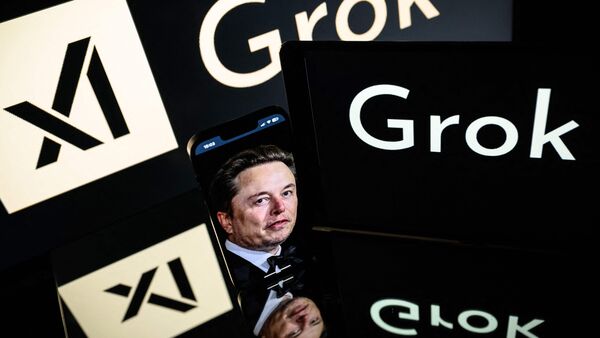
OpenAI’s latest AI model, GPT-5.2, has started using Elon Musk’s real-time knowledge platform, Grokipedia, for live information. This partnership signals a potential decline for traditional sources like Wikipedia in the age of instant AI answers.
What is Grokipedia and How Does It Work?
Developed by Musk’s xAI, Grokipedia is an AI-powered platform that scrapes, fact-checks, and integrates data from countless live sources. Unlike Wikipedia’s volunteer-edited, slower-updating pages, Grokipedia provides verified, up-to-the-minute information. This is crucial for fast-moving fields like finance, tech, and breaking news.
Real-Time Answers: A Game Changer for AI
The integration allows GPT-5.2 to answer queries with information just seconds old. Questions on live sports scores, stock market swings, or unfolding news events can now get highly accurate, timely responses—a function once limited to search engines.
Expert Views: Progress vs. Concerns
Reactions are mixed. Some experts see this as the natural evolution toward AI-curated, real-time knowledge as the new standard. Others warn of risks like centralizing information under a few corporate AI giants and the potential for algorithmic bias to influence what is presented as fact.
Wikipedia’s Place in an AI-Driven World
Wikipedia has been a foundational training source for AI models. However, its static nature and editorial delays are seen as drawbacks. The move to Grokipedia points to a future of more dynamic, AI-mediated knowledge networks.
The Wikimedia Foundation reaffirmed its commitment to free, reliable knowledge built through human collaboration, hinting at the transparency gaps AI platforms might have.
The Bigger Picture: AI’s Data Race Intensifies
This OpenAI-xAI deal highlights how access to current, reliable data is now a critical battleground in AI. It could speed up the development of applications needing real-time awareness, from smart assistants to automated trading systems.


