Key Takeaways
- Greenland’s first European “owner” was Erik the Red, a Norse explorer and convicted murderer.
- He named the island “Greenland” as a marketing ploy to attract settlers around 985 CE.
- His legacy includes founding the first Norse settlements and fathering Leif Erikson, who reached North America.
- Indigenous peoples inhabited Greenland for millennia before the Norse arrived.
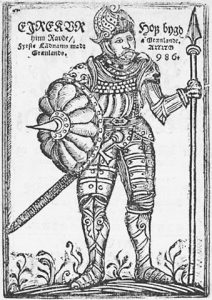
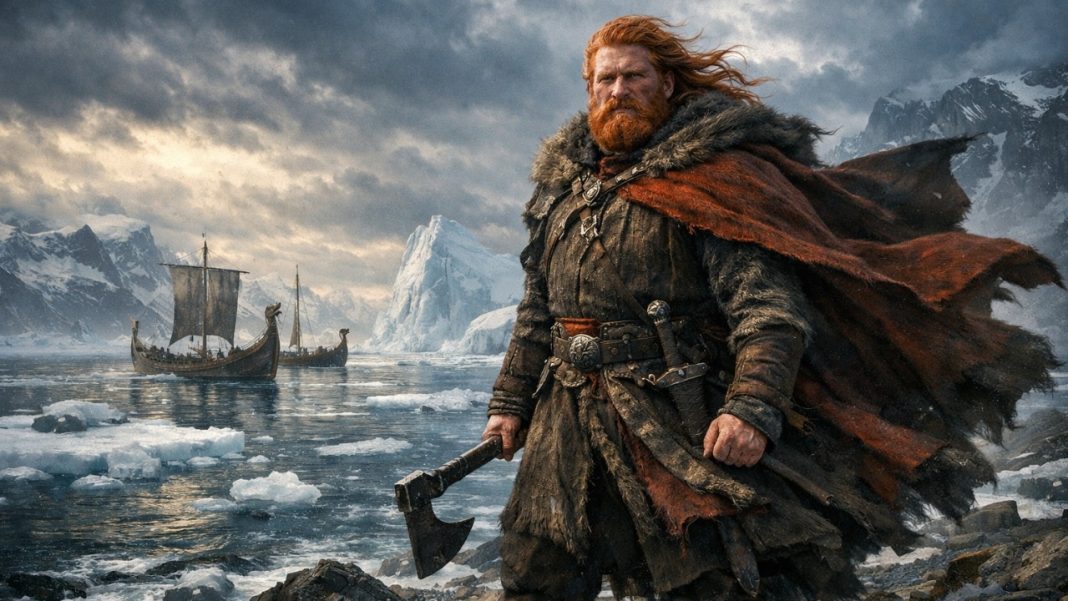
The first European to claim ownership of Greenland was not a statesman or a king, but a Viking outlaw: Erik the Red. Exiled from Iceland for murder, he explored and named the island, founding its first Norse settlements.

From Murderer to Explorer
Erik Thorvaldsson, known for his red hair and fiery temper, was born in Norway around 950 CE. His family was exiled to Iceland after his father was convicted of manslaughter. Erik followed a similar path, being convicted of murder himself in 982 CE after a deadly feud.
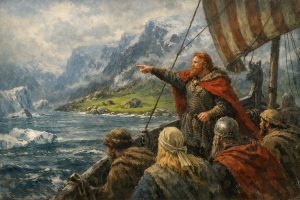
Banished from Iceland for three years, he sailed west to explore a land spotted earlier by sailor Gunnbjörn Ulfsson. After his exile, he returned with a clever idea to lure settlers: he called the harsh, icy land “Greenland.”

Founding the Norse Settlements
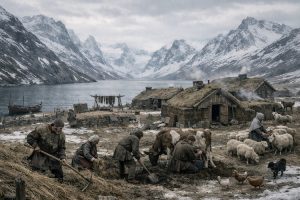
The marketing worked. Around 985 CE, Erik led a fleet of 25 ships to Greenland. He established the Eastern and Western Settlements, ruling from his estate at Brattahlíð. Through Norse landnám (land-taking) customs, he became Greenland’s first European chieftain.

Context: Indigenous History and Legacy
It is vital to remember that Erik and the Norse were not Greenland’s first inhabitants. Paleo-Eskimo cultures like the Saqqaq and Dorset had lived there for thousands of years. The Thule culture, ancestors of the modern Inuit, migrated there centuries later.
Erik’s legacy extended through his son, Leif Erikson, who reached North America around 1000 CE. The Norse settlements thrived for centuries, with up to 5,000 people, before vanishing in the 1400s due to climate change and other pressures.

Thus, while indigenous Greenlanders have the deepest roots, the title of the island’s first recorded “owner” in European history belongs to Erik the Red—a Viking pioneer whose violent exile led to permanent settlement.