
Key Takeaways
- Canadian PM Justin Trudeau publicly challenged US President Trump’s protectionist policies at Davos.
- India, a major trade partner of both nations, has remained conspicuously silent on the dispute.
- Experts are divided on whether India’s silence is strategic diplomacy or a missed opportunity.
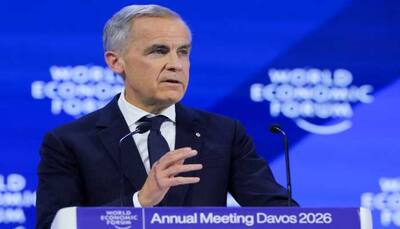
Canadian Prime Minister Justin Trudeau delivered a strong rebuke to US President Donald Trump’s protectionist trade agenda at the World Economic Forum in Davos. Trudeau asserted Canada would not be “pushed around” or “bullied,” defending free trade and multilateralism.
“We are a strong and independent country. We are not going to be pushed around,” Trudeau said. “We are going to defend our interests and we are not going to be bullied.”
The comments followed US tariffs on Canadian softwood lumber and threats to withdraw from NAFTA. Trudeau’s stance was widely praised globally as a defence of the rules-based trading system.
India’s Notable Silence
In stark contrast to vocal critics like China and the EU, the Indian government has offered no official comment on the Trudeau-Trump clash. This silence is notable given India’s significant trade relationships with both the US and Canada, and its membership in the WTO.
Why is India Staying Quiet?
Analysts suggest two possible reasons for India’s position:
- Strategic Diplomacy: A desire to maintain positive relations with both economic powers and avoid jeopardising potential investment.
- A Missed Opportunity: A failure to champion free trade principles it benefits from, potentially weakening the global system.
“India should be more vocal in its support for free trade and multilateralism,” said one expert. “Silence is not an option.”
The government has not explained its stance, leaving its future position on this global trade rift unclear.


