Key Takeaways
- Blue Origin’s TeraWave project will deploy 5,408 satellites for a global enterprise data network.
- It promises speeds up to 6 terabits per second, targeting AI, defence, and industrial uses.
- Launches are planned for the late 2020s using Blue Origin’s New Glenn rockets.
- The project directly competes with SpaceX’s Starlink but focuses on the high-bandwidth business sector.
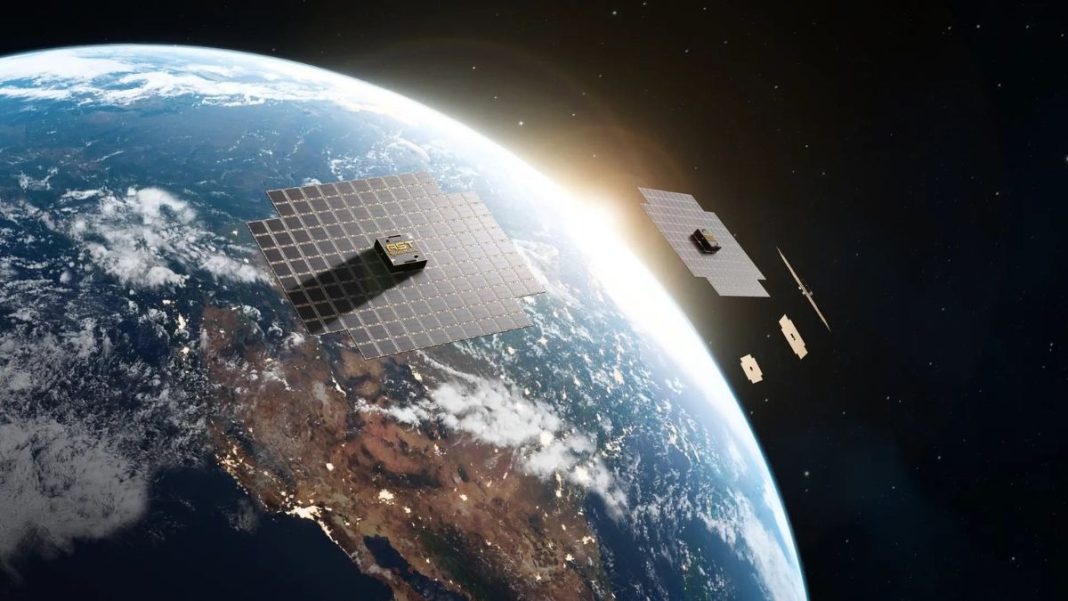
Jeff Bezos’s space venture, Blue Origin, has unveiled plans for a massive 5,408-satellite constellation named TeraWave, marking a major entry into the satellite communications race. The project aims to build a global, high-speed data network specifically for enterprise and government clients, setting up a direct challenge to Elon Musk’s Starlink.
Unprecedented Speed for a Data-Hungry World
The TeraWave network is designed to deliver data speeds of up to 6 terabits per second (Tbps). This capacity, thousands of times faster than standard consumer internet, is built to support next-generation technologies like artificial intelligence, autonomous systems, and advanced robotics.
“The future of innovation on Earth is constrained by the limitations of our current connectivity infrastructure,” said a Blue Origin spokesperson. “TeraWave is designed to break those constraints, providing the bandwidth necessary for the next leap in technological progress.”
Multi-Orbit Network and Launch Strategy
To ensure low-latency, global coverage, the satellites will operate in both Low Earth Orbit (LEO) and Medium Earth Orbit (MEO). Blue Origin plans to use its in-development New Glenn heavy-lift rocket to deploy the constellation, with the first launches targeted for the late 2020s.
Enterprise-Focus vs. Consumer Rivals
Unlike Starlink, TeraWave will not target the general consumer market. Its primary users will be enterprises, military agencies, scientific institutions, and industrial operations. Potential applications include connecting remote research bases, enabling ultra-fast data for financial trading, and providing secure communications for defence networks.
The Road Ahead: Competition and Challenges
While TeraWave positions Blue Origin as a formidable competitor to SpaceX’s Starlink, significant hurdles remain. The project must secure regulatory approvals worldwide, manage the technical complexity of a vast satellite fleet, and address growing concerns about space debris in increasingly crowded orbits.
If successful, TeraWave could revolutionise global data infrastructure for businesses and governments, making ultra-high-speed connectivity as commonplace and essential as GPS.