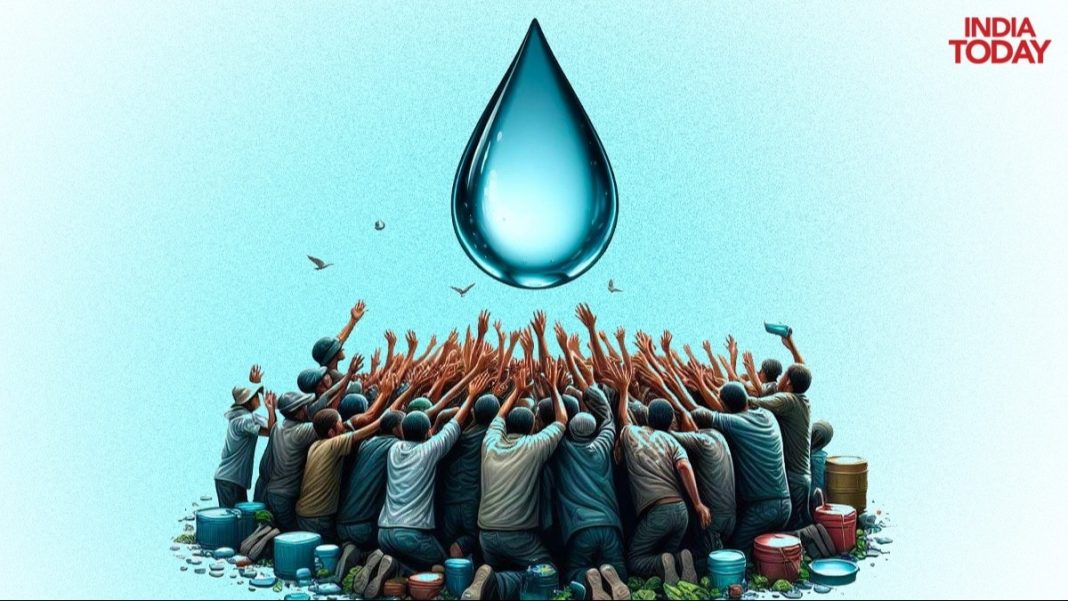
UN Warns of Global Water Bankruptcy by 2030
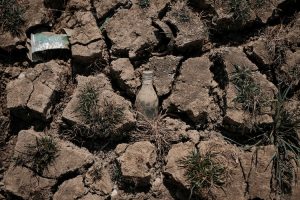
The world faces a severe freshwater crisis, with the United Nations warning of a potential 40% shortfall by 2030. This alarming projection comes alongside a growing global population, escalating demand and pushing the planet towards water bankruptcy.
Key Takeaways
- Global Shortfall: UN projects a 40% freshwater deficit by 2030.
- India’s Challenge: Holds 18% of world population but only 4% of freshwater.
- Dual Crisis: Scarcity compounded by severe pollution from industry and sewage.
- Climate Impact: Erratic weather disrupts water cycles, acting as a crisis multiplier.

India’s Dire Water Equation
India’s situation highlights the global imbalance. The country is home to 18% of the world’s population but possesses a mere 4% of its freshwater resources. Per capita water availability has been in steady decline and is projected to fall further, officially pushing India into the water-scarce category.
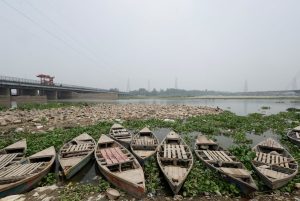
The problem is twofold: scarcity and quality. Pollution from industrial waste, agricultural runoff, and untreated sewage has made many water bodies unfit for use, intensifying the national water stress.

Climate Change as a Force Multiplier
Climate change exacerbates the crisis. Unpredictable monsoons, prolonged droughts, and intense floods are becoming more frequent, disrupting natural water cycles and making resource management increasingly difficult.
Sectors Under Strain
Agriculture: Consuming 80% of India’s freshwater, this sector is highly vulnerable. Water-intensive crops and inefficient irrigation are depleting groundwater at alarming rates, with levels in many states reaching critical lows.

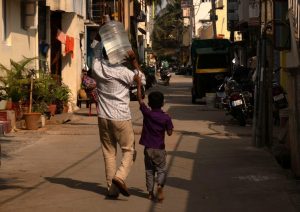
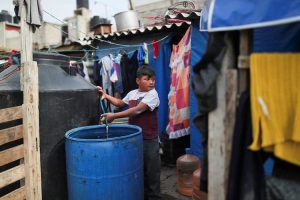
Urban Centres: Major cities like , Chennai, and Delhi have faced acute shortages. Bengaluru’s recent crisis saw water tanker rationing and skyrocketing prices, underscoring severe urban water stress.
The Path to Solutions
Experts advocate for a multi-pronged strategy:
- Improving water-use efficiency across sectors.
- Promoting conservation and investing in recycling/reuse infrastructure.
- Adopting climate-resilient farming practices.
- Reviving rainwater harvesting and traditional water bodies.

UN’s Call for Urgent Action
The United Nations Sustainable Development Goal 6 targets water and sanitation for all by 2030. Current progress is insufficient to meet this goal. The UN stresses that water is a fundamental human right and has called for immediate, collective action.
Addressing the crisis requires robust policies, effective implementation, and widespread public awareness to drive behavioural change. With population growth and climate change increasing pressure on freshwater, the window for action is closing fast. The time to avert irreversible water bankruptcy is now.