Chandigarh Pioneers Tech That Turns Plastic Waste into Fuel
Chandigarh has become India’s first city to deploy an advanced recycling technology that converts hard-to-recycle plastic packaging into industrial fuel, marking a major step in tackling plastic pollution.
Key Takeaways
- First in India: Chandigarh is the first city to adopt PolyCycl’s ContiFlow pyrolysis technology for multi-layered plastic (MLP).
- High Capacity: The system can process up to 1,000 tonnes of MLP waste annually.
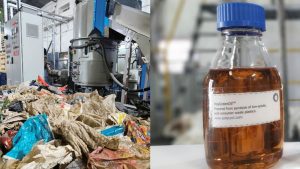
- Fuel Production: The process converts waste into pyrolysis oil, a substitute for fossil fuels.
- Waste Impact: It aims to handle all of Chandigarh’s MLP waste, which constitutes 2-3% of its daily 550-tonne solid waste.
The Technology and Its Inauguration
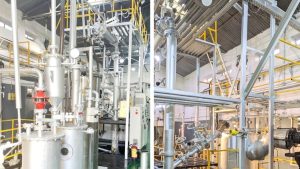
The innovative ContiFlow system, developed by Gurugram-based PolyCycl, was inaugurated at the Municipal Corporation’s 10-acre solid waste processing facility in Dadumajra. It is a continuous pyrolysis system specifically engineered for multi-layered plastics commonly found in snack packets.
“This is a landmark moment for waste management in India,” said Amit Tandon, Founder and CEO of PolyCycl. “Our ContiFlow technology offers a sustainable solution for MLP, which traditionally ends up in landfills or is incinerated. We are turning a problem into a resource.”
How the ‘Liquid Gold’ Process Works
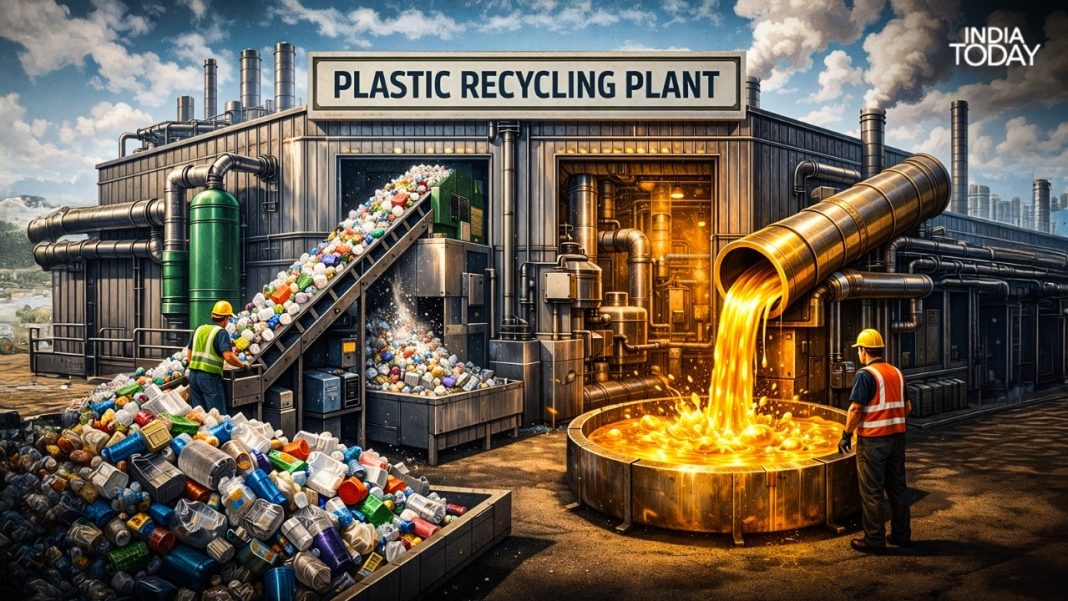
The technology heats plastic waste in an oxygen-free chamber, breaking it down through pyrolysis. The output is pyrolysis oil, gas, and carbon black. The oil, termed ‘liquid gold,’ serves as a direct replacement for conventional industrial fuels.
Aligning with Circular Economy Goals
Municipal Commissioner Anindita Mitra emphasized that the project aligns with Chandigarh’s goals for scientific waste management and circular economy principles. By processing its entire MLP waste stream, the city aims to significantly cut its environmental footprint.
A Model for Other Cities
The success of this pilot project in Chandigarh is poised to serve as a replicable model for other Indian cities struggling with plastic waste management. It demonstrates a viable path to transform a persistent environmental challenge into a valuable resource.