
Cyclone Ditwah: Death Toll Reaches 334 in Sri Lanka’s Worst Disaster in Decades
The death toll from Cyclone Ditwah has surged to 334, with nearly 400 people still missing and over 1.3 million affected across Sri Lanka. This marks the island nation’s most devastating natural disaster in two decades, according to the Disaster Management Centre.
Key Takeaways
- Death toll rises to 334 with approximately 400 people missing
- Over 1.3 million people affected by record rainfall and flooding
- Worst natural disaster since 2004 Asian tsunami
- International rescue operations underway with India and Pakistan assistance
Emergency Response and Rescue Operations
President Anura Kumara Dissanayake declared a state of emergency, calling it “the largest and most challenging natural disaster in our history.” He vowed to rebuild with international support, promising “a better nation than what existed before.”
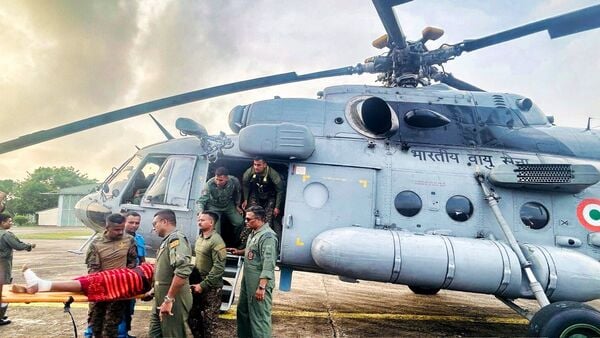
Rescue efforts faced challenges when a Bell 212 helicopter carrying food supplies crashed into a river near Colombo. All five crew members survived and were hospitalized. Meanwhile, an Indian helicopter successfully rescued 24 people, including a pregnant woman and wheelchair-bound individual, from the flooded town of Kotmale.
The Sri Lankan Air Force confirmed Pakistan is sending rescue teams, while Japan has pledged assistance and will assess immediate needs. Two infants and a 10-year-old child were rescued from a submerged hospital in Chilaw.
Ground Reality: Survivors’ Accounts
Selvi, 46, from Wennawatte suburb, described her desperate situation: “My house is completely flooded. I don’t know where to go, but I hope there is some safe shelter where I can take my family.”
In Manampitiya, 72-year-old S. Sivanandan witnessed unprecedented destruction: “Manampitiya is a flood-prone town, but I have never seen such a volume of water.” He reported extensive business and property damage, including an overturned car near his shop.
A Wellawaya resident recounted terrifying moments: “I saw trees falling and moving with the boulders. We are afraid to go back to our homes” after witnessing landslides near her residence.
Ongoing Risks and Historical Context
The National Building Research Organisation warned of continued landslide risks due to saturated mountain slopes. While rainfall has subsided, flood levels in Colombo may take at least a day to recede.
This disaster surpasses the June 2003 floods that killed 254 people, making it the deadliest natural catastrophe since the 2004 tsunami that claimed approximately 31,000 lives in Sri Lanka.
Cyclone Ditwah has since moved north toward India, while Sri Lanka braces for extensive relief operations amid critical blood supply shortages.


