Florida Judge Approves First Bear Hunt in Nearly a Decade, 172 Bears at Risk
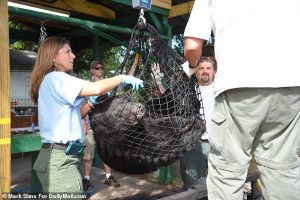
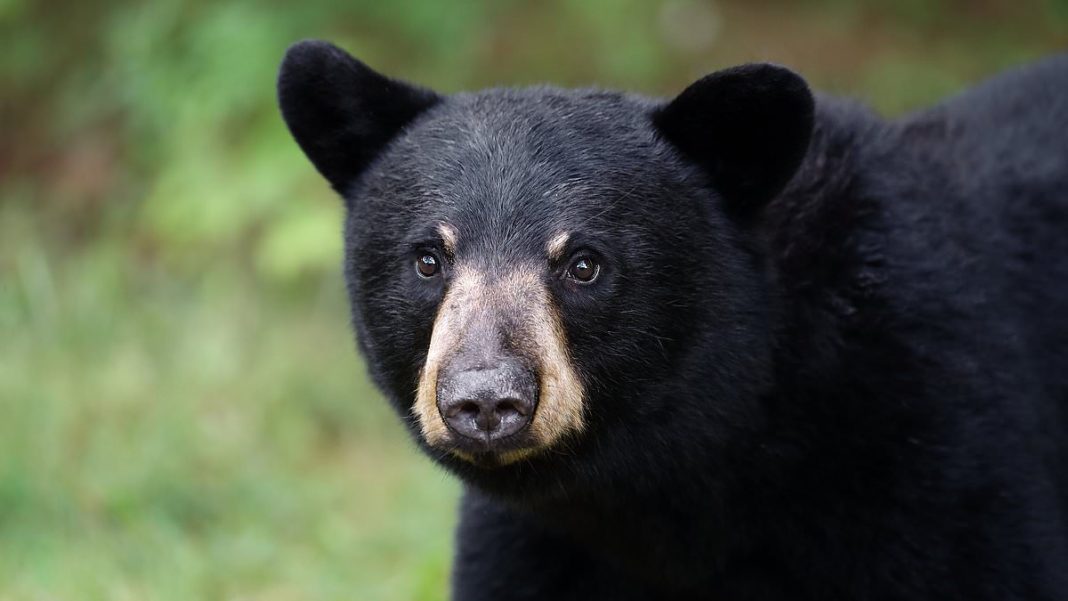
A Florida judge has cleared the way for the state’s first black bear hunt since 2015, allowing up to 172 bears to be killed in a controversial decision that has sparked legal challenges from conservation groups.
Key Takeaways
- 172 hunting permits issued for Florida’s first bear hunt since 2015
- Hunt scheduled December 6-28 across four regions of Florida
- Judge rejected conservation group’s request to halt the hunt
- FWC cites 2015 population data showing approximately 4,050 bears statewide
Legal Battle and Judge’s Ruling
Leon County Circuit Judge Angela Dempsey rejected an emergency request from Bear Warriors United to stop the hunt, stating the nonprofit failed to show a “substantial likelihood of success on the merits” of their lawsuit. The judge noted that the 2015 hunt was found constitutional and described this year’s planned hunt as “significantly more conservative.”
“That 2015 hunt was found constitutional under the rational basis test, and this hunt is significantly more conservative than that hunt in 2015, both in the number of bears that could be harvested, as well as the timing,” Judge Dempsey said.
Hunt Details and Locations
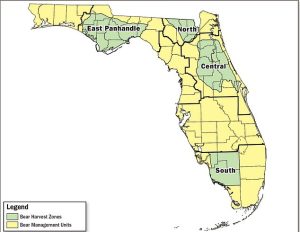
The Florida Fish and Wildlife Conservation Commission (FWC) issued 172 permits for the hunt scheduled from December 6 through 28. Each permit holder may kill one bear. Hunting will occur in four designated regions:
- Apalachicola area west of Tallahassee
- Lands west of Jacksonville
- Zone north of Orlando
- Big Cypress area southwest of Lake Okeechobee
Controversy Over Population Data
Bear Warriors United argues the commission approved the hunt using outdated 2015 population data without “sound” science. Thomas Crapps, an attorney for the group, stated: “FWC has made its decision based on outdated and stale population information and models.”
However, Michael Orlando, the commission’s bear program coordinator, defended the data, explaining that bear population studies “are good for quite a bit of time, based on female survival, birth rates, death rates.”
“If all 172 bears were harvested, and they were all female, it would still not impact the population,” Orlando told the court.
Historical Context and Regulations
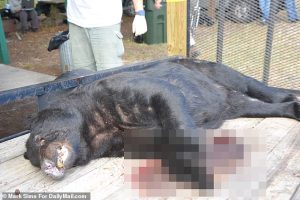
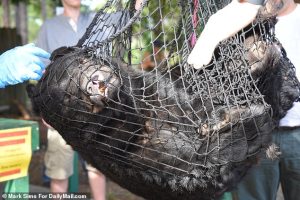
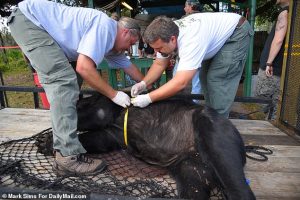
Florida bear hunts began in the 1930s and continued until 1994 when populations dropped below 500. The 2015 hunt was halted after just two days when 304 bears were killed—approaching the full-week limit of 320. This year’s hunt includes stricter limits to prevent similar outcomes.
Permit requirements include:
- Hunting license and bear harvest permit required
- Applicants must be at least 18 years old by October 1, 2025
- Permits cost $100 for residents, $300 for nonresidents
- Only 10% of permits allocated to nonresidents
- All permits are non-transferable
FWC’s Position and Legal Response
The FWC maintains that regulated hunting helps manage population growth while providing public access. The agency stated: “Hunting allows the FWC to start managing population growth rates for the Bear Management Units with the largest bear subpopulations.”
Rhonda Parnell, the commission’s acting deputy general counsel, characterized the opposition as “Bear Warriors whining about what they did not get” and emphasized that courts have consistently affirmed the commission’s authority to regulate hunting in Florida.