
23.1 C
Delhi
Tuesday, March 3, 2026

COVID-19 May Alter Offspring Brain Development, Study Finds

Key Takeaways

  • Father mice infected with COVID-19 produced offspring with increased anxiety-like behaviors
  • Changes in sperm RNA molecules may transmit altered brain development instructions
  • Female offspring showed significant gene changes in brain regions regulating anxiety
  • Findings suggest potential long-term generational impacts if verified in humans

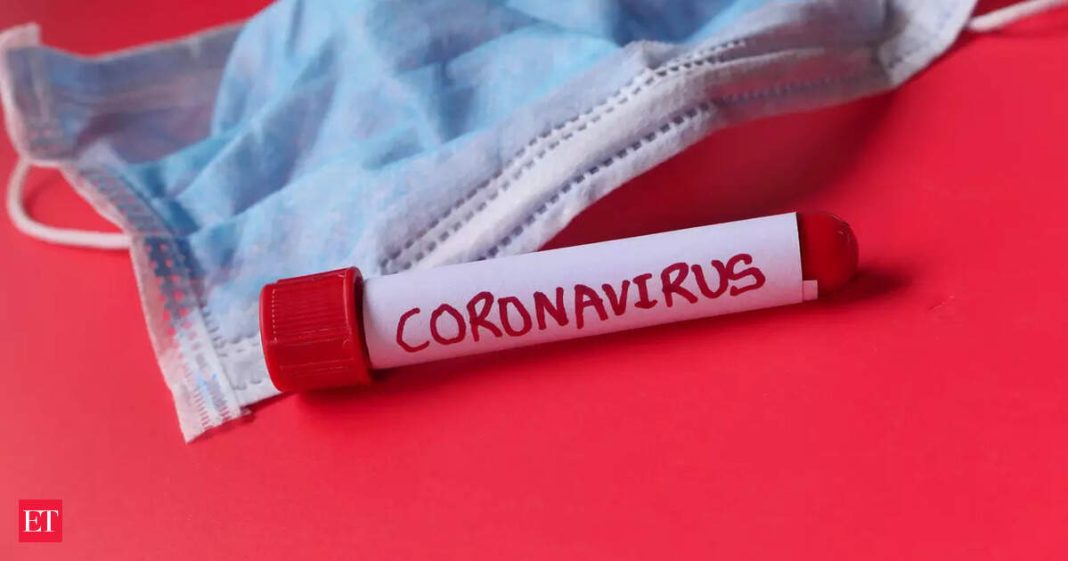
A groundbreaking study reveals that COVID-19 infection in male mice can alter their sperm, potentially affecting brain development and causing anxious behaviors in their offspring. The research suggests the pandemic’s effects might extend to future generations through epigenetic inheritance.

Scientists from Australia’s Florey Institute of Neuroscience and Mental Health discovered that offspring conceived from COVID-19-recovered male mice displayed heightened anxiety-like behaviors compared to those from uninfected fathers.

Study Methodology and Findings

Researchers infected adult male mice with SARS-CoV-2 and allowed them to recover for several weeks before mating with healthy females. “We found that the resulting offspring showed more anxious behaviours compared to offspring from uninfected fathers,” said Elizabeth Kleeman, first author of the study published in Nature Communications.

The team observed that all offspring from COVID-19-affected fathers displayed increased anxiety-like behaviors, with female offspring showing particular changes in how specific genes functioned in the hippocampus – a brain region crucial for regulating emotional responses.

Mechanism Behind the Transmission

Lead researcher Anthony Hannan explained that paternal experiences can alter information carried in sperm, including specific RNA molecules that transmit developmental instructions to offspring. Analysis confirmed altered RNA molecules in infected fathers’ sperm, including those regulating genes important for brain development.

“These kinds of changes in the hippocampus, as well as other brain regions, may contribute to the increased anxiety we observed in offspring, via epigenetic inheritance and altered brain development,” said co-senior author Carolina Gubert.

Potential Human Implications

While emphasizing the need for human verification, researchers warned that if similar effects occur in people, millions of children worldwide could be impacted. “Our discoveries highlight the importance of understanding the impacts of this virus and infectious disease, not only on those directly infected, but also on their children,” Hannan added.

The study represents the first investigation into COVID-19’s potential transgenerational effects through paternal infection, with significant implications for public health planning and future research directions.


Latest

AIIMS-trained neurologist warns against repeatedly using reheated cooking oils: ‘Risk of cancer increases manifold…’

Reusing cooking oil is a common practice in many households, but does the money it saves outweigh the health risks? Dr Sehrawat explains the health risks.

How much should you walk to lose weight? What studies and experts say

Weight loss doesn’t always require sweat-drenched sessions. Science suggests steady walking can do the job.

Did you know low fibre diets can affect more than digestion? US doctor explains the role of fibre for overall health

The role of fibre goes way beyond digestion. It affects everything from cholesterol regulation, blood sugar control and even colon cancer risk.

Can’t start your day without chai and biscuits? Mumbai surgeon explains why it could be a deadly combo for gut health

The tea and biscuits combination seems to be India's favourite breakfast combo. However, this comfort food can have negative implications for your gut.

AIIMS-trained gastroenterologist ranks 8 common fruits based on fibre content: Did you know which fruit is most loaded?

Dr Sethi lists eight commonly available fruits such as apples, bananas, guavas and oranges based on the amount of fibre they provide. 

Topics

Taliban attacks Pak’s Nur Khan base in latest escalation of cross border conflict

Taliban forces reportedly launched armed drone strikes targeting Pakistan’s Command and Control Centre at Nur Khan Air Base in Rawalpindi. Taliban forces carr

Satellite images show damage across Iranian military sites after US-Israel strikes

Fresh satellite imagery shows visible damage to air, drone and naval facilities near Iran’s Konarak region amid escalating regional tensions. The visuals offe

Sensex down 1,000 points: Why is the stock market falling today?

The S&P BSE Sensex fell sharply in early trade, and the NSE Nifty50 also slipped more than 1%, as investors reacted to the fast-changing situation between the U

Qatar, UAE, Syria, Oman: Full list of places that saw attacks amid US-Iran conflict

The Middle East is engulfed in conflict as Iran retaliates against US-Israeli strikes, launching missile and drone attacks across multiple countries. 

AIIMS-trained neurologist warns against repeatedly using reheated cooking oils: ‘Risk of cancer increases manifold…’

Reusing cooking oil is a common practice in many households, but does the money it saves outweigh the health risks? Dr Sehrawat explains the health risks.

Quote of the day by Jon Bon Jovi: ‘You better stand tall when they’re calling you out, don’t bend, don’t break…’

On his birthday, we look back at one of Jon Bon Jovi's most influential quotes, which highlights the importance of standing tall in the face of criticism.

Satellite images show black smoke over Dubai as Iran continues to fire missiles, drones

Iran-US war: Dubai's skyline has dramatically changed after Iranian attacks, with smoke visible in satellite images.

Sam Altman reveals real reason why OpenAI rushed to partner with US Military after Trump banned Anthropic

OpenAI executives have given more information regarding the AI startup’s contract with the US Department of Defense after facing backlash online. The Sam Altm
spot_img

Related Articles

Popular Categories

spot_imgspot_img