Summarized by AI.

Share Your Feedback
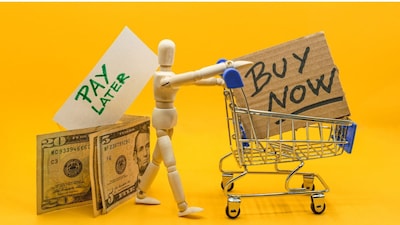
For India’s young and restless, “Buy Now, Pay Later” (BNPL) apps have become the new wallet. A few taps on the phone, and you can book flight tickets, buy that smartwatch, or order food without paying upfront. These apps promise instant credit, zero paperwork, and interest-free periods that sound too good to resist.
But behind the glossy interface and cheerful notifications lies a growing financial trap. Young users, especially those in their early twenties, are falling into a cycle of small but mounting debts, often without realizing it until repayment reminders start flashing and credit scores take a hit.
BNPL platforms like LazyPay, Simpl, ZestMoney, and even newer fintech players thrive on one psychological trigger: the illusion of affordability. When the payment is split into small chunks, the purchase feels lighter on the pocket. But multiply that by ten or fifteen purchases, and the total quietly snowballs into a debt many users cannot clear on time.
The Numbers Behind the Hype
India’s BNPL market has grown explosively in just three years. A report by RedSeer Consulting estimated that nearly 60 million Indians have used some form of pay-later service. The market is expected to reach 50 billion dollars by 2030, driven largely by millennials and Gen Z consumers, the same demographic most vulnerable to financial overreach.
According to RBI data and credit bureau insights, about 15 to 20 percent of BNPL users have missed at least one payment. And for many, the problem is not just the missed payment, but the hidden cost that follows: late fees, credit score damage, and escalating interest once the free period lapses.
Why Gen Z Is Most at Risk
Unlike traditional credit cards, BNPL platforms are designed to feel casual and friendly. The apps don’t talk about loans or debt, they talk about freedom, flexibility, and buying power. This marketing tone works especially well on young consumers with limited income and high digital confidence.
Most users in the 18 to 25 age group start with small purchases such as food delivery, clothing, or mobile recharges. Over time, the psychological ease of deferred payments lowers their natural resistance to spending. The brain begins to register “pay later” as “free for now.”
By the time repayments start overlapping, multiple due dates across multiple apps create stress. Many young users confess to juggling between one BNPL app to pay another, a modern digital version of borrowing from Peter to pay Paul.
The Debt You Can’t See
The biggest danger with BNPL is its invisibility. Because many platforms operate outside traditional credit systems, users often don’t see their full liability reflected anywhere. There’s no consolidated statement or monthly bill like a credit card.
A single user may owe 2,000 rupees on one app, 1,500 on another, and 3,000 more on a third, small amounts that don’t trigger alarm individually. But together, they can create a financial sinkhole, especially when late payment fees and auto-debits start adding up.
Moreover, even though BNPL apps don’t always report to credit bureaus initially, many now do. A single default, even for a small sum, can knock 50 to 100 points off a CIBIL score, hurting future chances of getting genuine loans.
RBI’s Growing Concern
The Reserve Bank of India has already taken notice. In 2022, it issued guidelines tightening digital lending practices, especially after reports of harassment and opaque terms by some fintech lenders. The RBI clarified that BNPL is not a free service but a form of unsecured credit and must follow the same rules of disclosure and transparency as other financial products.
Some BNPL companies have since partnered with regulated non-banking financial companies (NBFCs) to stay compliant. However, oversight remains patchy. Many still operate in regulatory grey zones, offering credit through digital wallets or merchant integrations that blur the line between payment and loan.
When Convenience Becomes Chaos
What makes BNPL psychologically potent is how it turns buying into a dopamine reward loop. Every successful checkout reinforces the idea that spending is effortless until the first default arrives.
A 24-year-old marketing professional from Bengaluru shared how her three-month experiment with BNPL apps spiraled. “I thought I was managing well, 700 rupees here, 1,000 there. But when I missed one due date, all apps started sending reminders. I had no idea I owed 12,000 in total. It hit my CIBIL score. I deleted all the apps after that.”
The story is increasingly common among urban Gen Z users, many of whom are digital natives but financially inexperienced.
What Users Can Do
- Track every transaction and maintain a small record of every BNPL purchase.
- Set auto-reminders; don’t rely solely on app notifications.
- Treat every BNPL purchase as borrowed money, even if it’s small.
- Avoid stacking apps; stick to one if at all, since multiple platforms increase confusion.
- Check your CIBIL report regularly; even small defaults can impact your score.
Buy Now, Pay Later was meant to make spending easier, but it’s quietly becoming a debt trap for a generation raised on convenience. What looks like instant freedom today can turn into financial anxiety tomorrow.
As BNPL apps blur the line between shopping and borrowing, India’s youth may need to relearn an old lesson: if it’s too easy to buy, it’s even easier to fall behind on payment.
BNPL platforms like LazyPay, Simpl, ZestMoney, and even newer fintech players thrive on one psychological trigger: the illusion of affordability. When the payment is split into small chunks, the purchase feels lighter on the pocket. But multiply that by ten or fifteen purchases, and the total quietly snowballs into a debt many users cannot clear on time.
The Numbers Behind the Hype
India’s BNPL market has grown explosively in just three years. A report by RedSeer Consulting estimated that nearly 60 million Indians have used some form of pay-later service. The market is expected to reach 50 billion dollars by 2030, driven largely by millennials and Gen Z consumers, the same demographic most vulnerable to financial overreach.
According to RBI data and credit bureau insights, about 15 to 20 percent of BNPL users have missed at least one payment. And for many, the problem is not just the missed payment, but the hidden cost that follows: late fees, credit score damage, and escalating interest once the free period lapses.
Why Gen Z Is Most at Risk
Unlike traditional credit cards, BNPL platforms are designed to feel casual and friendly. The apps don’t talk about loans or debt, they talk about freedom, flexibility, and buying power. This marketing tone works especially well on young consumers with limited income and high digital confidence.
Most users in the 18 to 25 age group start with small purchases such as food delivery, clothing, or mobile recharges. Over time, the psychological ease of deferred payments lowers their natural resistance to spending. The brain begins to register “pay later” as “free for now.”
By the time repayments start overlapping, multiple due dates across multiple apps create stress. Many young users confess to juggling between one BNPL app to pay another, a modern digital version of borrowing from Peter to pay Paul.
The Debt You Can’t See
The biggest danger with BNPL is its invisibility. Because many platforms operate outside traditional credit systems, users often don’t see their full liability reflected anywhere. There’s no consolidated statement or monthly bill like a credit card.
A single user may owe 2,000 rupees on one app, 1,500 on another, and 3,000 more on a third, small amounts that don’t trigger alarm individually. But together, they can create a financial sinkhole, especially when late payment fees and auto-debits start adding up.
Moreover, even though BNPL apps don’t always report to credit bureaus initially, many now do. A single default, even for a small sum, can knock 50 to 100 points off a CIBIL score, hurting future chances of getting genuine loans.
RBI’s Growing Concern
The Reserve Bank of India has already taken notice. In 2022, it issued guidelines tightening digital lending practices, especially after reports of harassment and opaque terms by some fintech lenders. The RBI clarified that BNPL is not a free service but a form of unsecured credit and must follow the same rules of disclosure and transparency as other financial products.
Some BNPL companies have since partnered with regulated non-banking financial companies (NBFCs) to stay compliant. However, oversight remains patchy. Many still operate in regulatory grey zones, offering credit through digital wallets or merchant integrations that blur the line between payment and loan.
When Convenience Becomes Chaos
What makes BNPL psychologically potent is how it turns buying into a dopamine reward loop. Every successful checkout reinforces the idea that spending is effortless until the first default arrives.
A 24-year-old marketing professional from Bengaluru shared how her three-month experiment with BNPL apps spiraled. “I thought I was managing well, 700 rupees here, 1,000 there. But when I missed one due date, all apps started sending reminders. I had no idea I owed 12,000 in total. It hit my CIBIL score. I deleted all the apps after that.”
The story is increasingly common among urban Gen Z users, many of whom are digital natives but financially inexperienced.
What Users Can Do
- Track every transaction and maintain a small record of every BNPL purchase.
- Set auto-reminders; don’t rely solely on app notifications.
- Treat every BNPL purchase as borrowed money, even if it’s small.
- Avoid stacking apps; stick to one if at all, since multiple platforms increase confusion.
- Check your CIBIL report regularly; even small defaults can impact your score.
Buy Now, Pay Later was meant to make spending easier, but it’s quietly becoming a debt trap for a generation raised on convenience. What looks like instant freedom today can turn into financial anxiety tomorrow.
As BNPL apps blur the line between shopping and borrowing, India’s youth may need to relearn an old lesson: if it’s too easy to buy, it’s even easier to fall behind on payment.
Enjoy uninterrupted reading? Unlock the full story, distraction-free
Scan the QR code to download the News18 app and enjoy a seamless news experience anytime, anywhere.

login