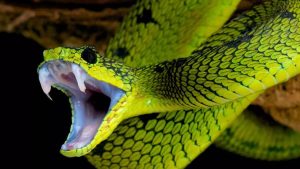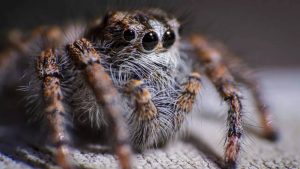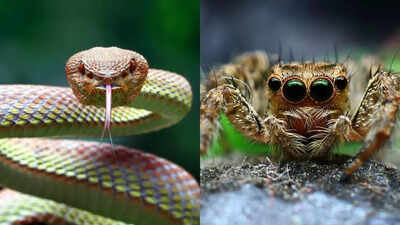
Few creatures evoke as much fear as snakes and spiders, both of which can be venomous. However, their impact on humans differs greatly. Snakes are responsible for tens of thousands of fatalities worldwide each year, particularly in rural regions with limited access to medical care, whereas deaths from spider bites are extremely rare. The differences in venom potency, behaviour, mobility, and aggression help explain this disparity. Understanding these distinctions, along with the actual risks posed by each species, is crucial for personal safety, raising awareness, and knowing how to respond appropriately when encountering these potentially dangerous creatures.
Behaviour, venom, and human threats: How snakes and spiders differ
Snakes
Snakes are found worldwide, with around 3,800 known species. About 600 are venomous, and while most bites are non-fatal, venomous snakes can cause serious injury or death.
Globally, according to the WHO, snakebites result in 94,000 to 125,000 deaths annually, mostly in rural areas of Africa, Asia, and Latin America, where access to prompt medical care is limited.
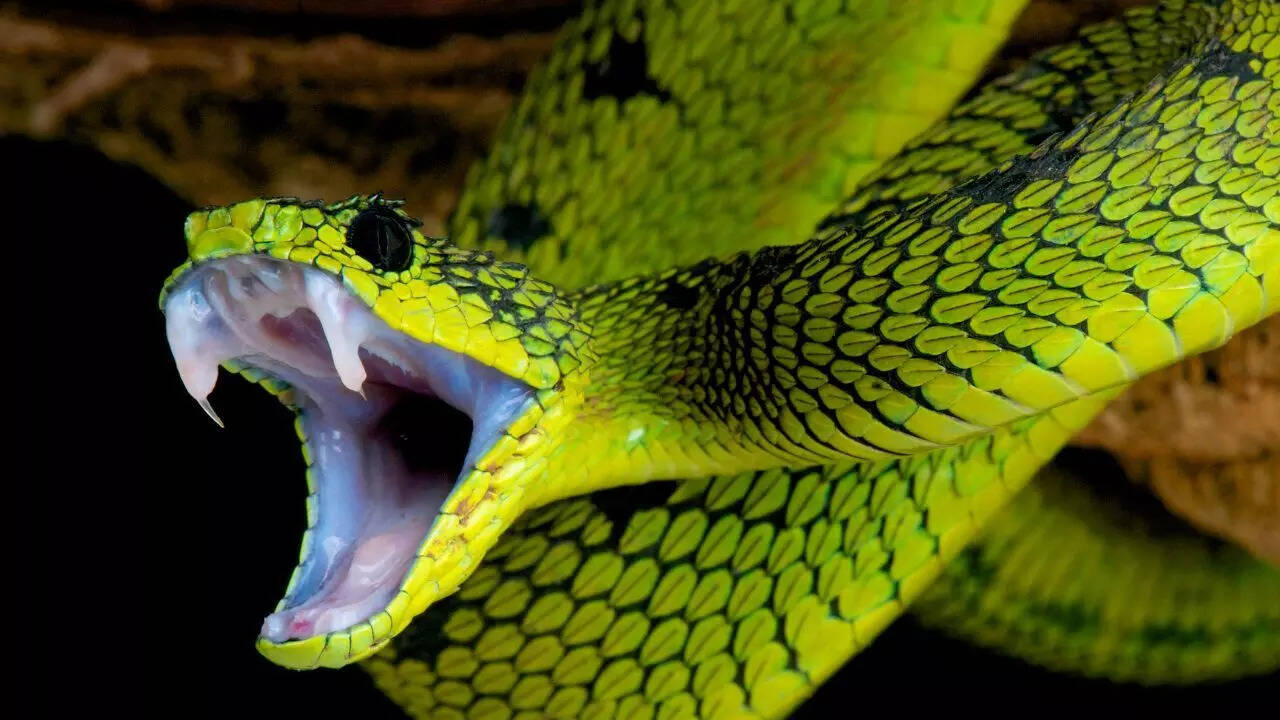
Notable venomous snakes
-
Inland Taipan – Known as the most venomous snake in the world, its venom is estimated to be 50 times more toxic than that of the Indian cobra.
-
Saw-Scaled Viper – Responsible for many deaths in India due to its aggressive nature and potent venom
-
Russell’s Viper – Common in South Asia, its bite can cause severe envenomation, coagulopathy, and kidney failure.
Snakes are generally more active during the day or night, depending on species and habitat, and they often strike defensively. Their venom is highly evolved to immobilise prey, which also makes bites particularly dangerous to humans.
Spiders
Spiders are far more numerous than snakes, with about 51,000 species worldwide. However, only around 20 species are capable of inflicting medically significant bites, and fatalities are extremely rare. Most spider bites lead to mild symptoms, such as localised pain, redness, or swelling.
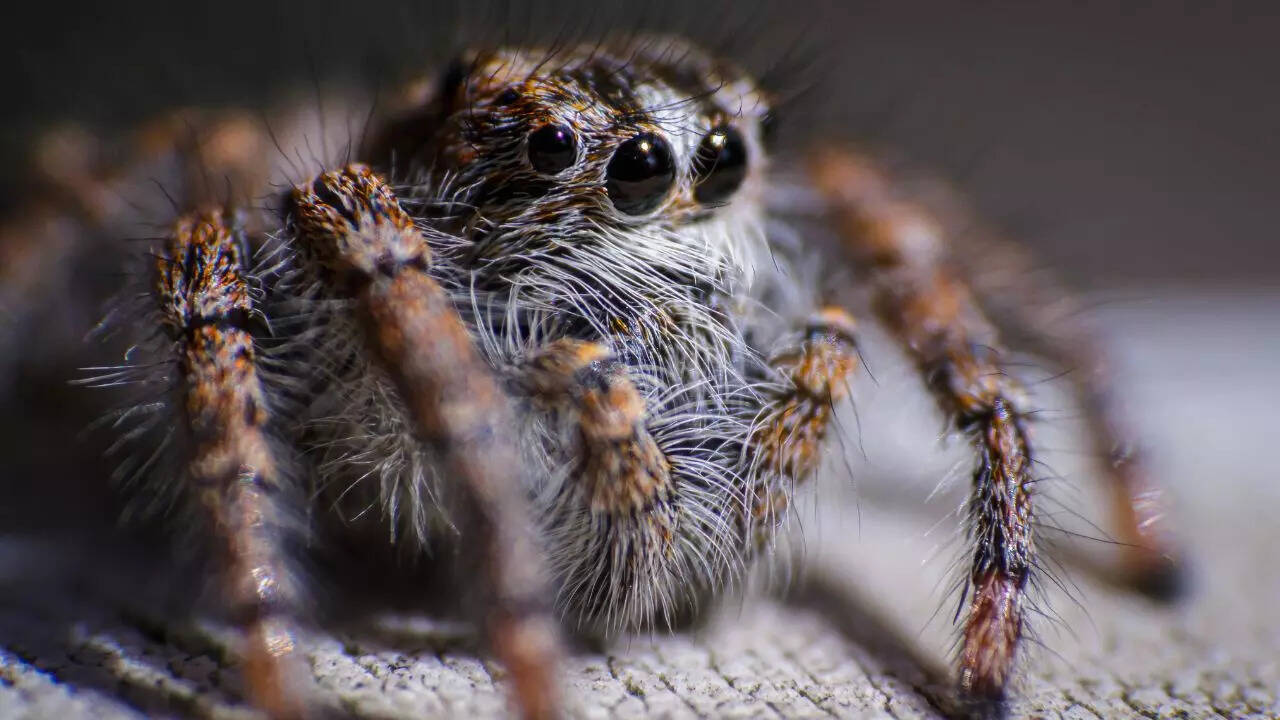
Notable venomous spiders
-
Sydney Funnel-Web Spider – Native to Australia; its bite can be fatal if untreated, but antivenom has greatly reduced deaths.
-
Brazilian
Wandering Spider
– Found in South America; its venom can cause severe symptoms, but fatalities are uncommon.
-
Black Widow Spider – Recognisable by its red hourglass marking; bites can cause intense pain and muscle cramps, but deaths are rare and usually involve children or immunocompromised individuals.
Unlike snakes, most venomous spiders are not aggressive and bite humans only in self-defence. Their small fangs often cannot penetrate thick clothing or shoes, reducing the likelihood of serious envenomation.
Snakes vs. Spiders: Behavioural differences between the two
One key difference lies in behaviour. Snakes often live in proximity to humans in rural or suburban areas, and defensive strikes can happen unexpectedly. In contrast, spiders are generally reclusive and avoid human contact, so bites are far less common.
Mobility
Snakes are highly mobile predators that actively hunt for food, defend their territory, and can cover significant distances in search of prey. This mobility increases the likelihood of human encounters, especially in rural or suburban areas.
Certain species, like cobras or vipers, can move quickly and strike with precision when threatened. In contrast, most spiders are sedentary hunters. They rely on webs, ambush tactics, or limited movement to catch prey. Their lower mobility means humans rarely cross paths with spiders unless the spider’s habitat overlaps with living spaces.
Aggression
Aggression in snakes varies by species, but many venomous snakes, such as vipers, are defensive and quick to strike when they feel threatened.
Even if they prefer to avoid humans, a sudden approach or accidental disturbance can provoke an attack. Spiders, on the other hand, are largely passive and avoid confrontation. They typically bite only in self-defence, for example, when trapped against skin or clothing. This difference in natural temperament is a key factor in why snakebites occur far more frequently than serious spider bites.
Bite delivery
Snakes possess long, hollow fangs capable of injecting significant amounts of venom in a single bite. The venom can act quickly, affecting the nervous system, blood clotting, or tissues, depending on the species. This high-volume venom delivery makes even a single bite potentially fatal. Spiders, however, have much smaller fangs and inject tiny amounts of venom. Their venom is generally designed to immobilise small prey, not large animals like humans.
As a result, while spider bites can cause pain, irritation, or systemic symptoms, fatalities are extremely rare.
| Factor | Snakes | Spiders |
|
Number of species |
Relatively few, with many venomous types |
Very numerous, but few venomous species |
|
Venomous species |
Several can be dangerous to humans |
Only a handful pose a serious risk |
|
Annual fatalities |
It can be very high in some regions |
Extremely rare |
|
Medical treatment |
Often requires antivenom |
Antivenom available for select species |
|
Bite aggression |
Defensive, can strike when threatened |
Mostly passive, bite only in defence |
|
Geographic risk |
High in rural and tropical regions |
Limited to specific habitats |
|
Human encounters |
More common in areas close to humans |
Rare, usually accidental encounters |