
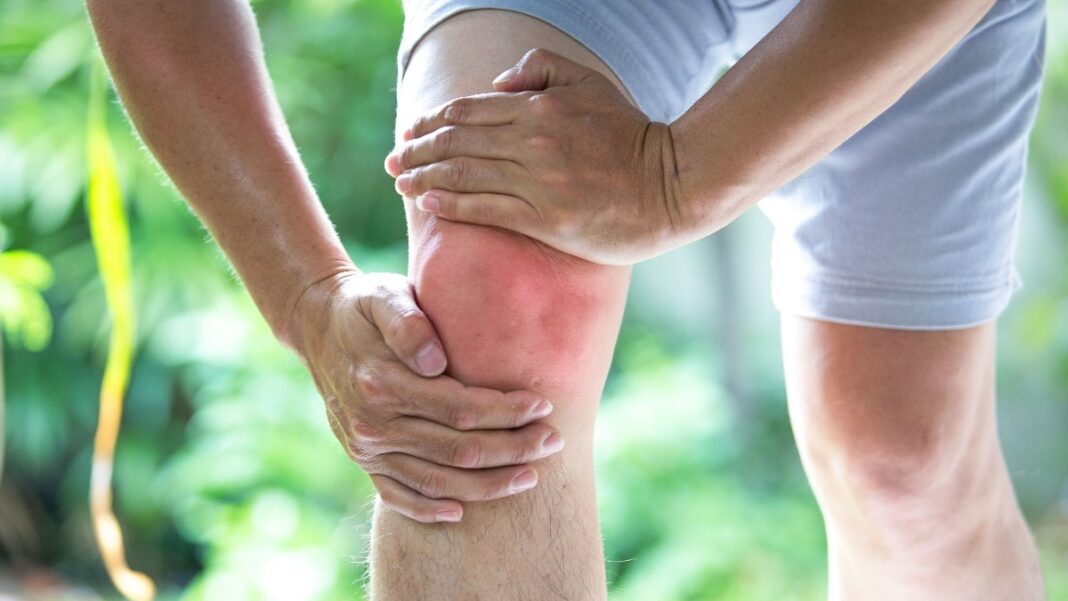
Climbing stairs is a simple, everyday activity, but for many people, it quietly becomes uncomfortable. You may walk for long distances without any issue, yet the moment you start climbing up or down stairs, your knees begin to ache.
This contrast often confuses people and makes them wonder if something is wrong.
The truth is, this specific type of pain is quite common and usually linked to how your knee joint handles pressure. The knees are complex joints that carry your body weight and help you move smoothly.
However, not all movements stress the knees in the same way. Activities like stair climbing demand more strength, deeper bending, and higher load on certain parts of the knee compared to walking on a flat surface.
According to orthopaedic experts, knee pain that appears only during stair climbing is often an early signal from your body. It may not feel serious at first, but it can point to underlying issues that need attention before they worsen.
Understanding why this happens can help you manage the pain better and prevent long-term damage.
WHY DO STAIRS FEEL HARDER ON YOUR KNEES?
When you climb stairs, your knees bend more deeply than they do while walking. This movement increases pressure on the kneecap (patella) and the joint beneath it.
Doctors explain that during stair climbing, the kneecap has to bear a much larger portion of your body weight, sometimes up to three to four times more than usual. In comparison, walking on flat ground puts significantly less stress on the joint, which is why you may feel no pain during regular walking.
WHAT THIS KIND OF PAIN COULD INDICATE
If your knees hurt only on stairs, it is often not random. It can be an early warning sign of stress in the knee joint.
One of the most common causes is Patellofemoral Pain Syndrome, a condition where the cartilage under the kneecap gets irritated due to repeated pressure. This leads to pain during activities like climbing stairs, squatting, or sitting for long periods.
Another possible cause is Osteoarthritis in its early stages. In this condition, the protective cartilage in the joint begins to wear down, making movements that involve pressure and bending more painful.
COMMON REASONS BEHIND THIS PAIN
Several factors can contribute to knee pain during stair climbing:
- Weak thigh (quadriceps) muscles that fail to support the knee properly
- Poor knee alignment or posture
- Cartilage wear under the kneecap
- Overuse from frequent stair climbing or intense activity
- Weight gain, which increases pressure on the joints
These factors often work together, gradually increasing strain on the knee.
WHAT CAN HELP REDUCE THE PAIN
The good news is that this kind of knee pain can often be managed with simple lifestyle changes and exercises.
- Strengthen your thigh muscles: Focus on exercises that build quadriceps strength
- Maintain a healthy weight: Less weight means less pressure on your knees
- Use proper technique: Take slow steps and use the railing for support
- Avoid sudden strain: Limit excessive stair use if you already feel pain
- Stay active: Gentle movement helps keep joints flexible
In some cases, doctors may recommend physiotherapy or further evaluation if the pain persists.
WHEN SHOULD YOU SEE A DOCTOR?
If your knee pain is getting worse, lasting for weeks, or affecting your daily routine, it is important to consult a specialist. Early treatment can prevent minor issues from turning into serious joint problems.
This article is based on expert insights and publicly available information. Always consult a qualified medical professional for diagnosis and treatment.


