
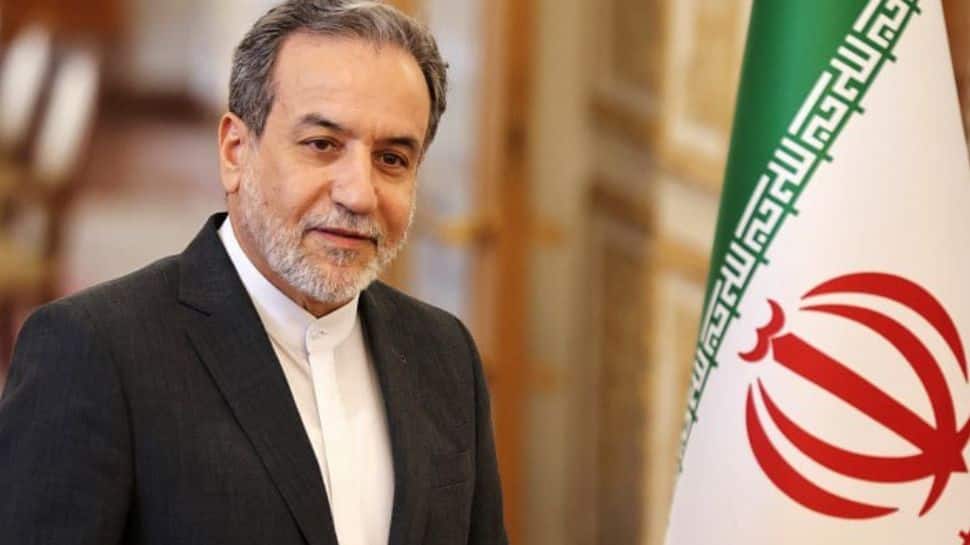
Iran’s Foreign Minister Seyed Abbas Araghchi has accused the United States of “maximalism, shifting goalposts, and blockade” after high-level negotiations in Pakistan ended without a deal, declaring that Washington has learned “zero lessons” from the impasse.
In a strongly worded post on X late on Sunday, Araghchi said Iran had negotiated “in good faith” during what he described as the highest-level direct talks between the two countries in 47 years.
He claimed the sides had come “just inches away” from signing an “Islamabad MoU”, a memorandum of understanding aimed at ending the conflict, before the U.S. side altered its position, adopting a maximalist approach.
In his post ranian Foreign Minister said, “In intensive talks at highest level in 47 years, Iran engaged with U.S in good faith to end war. But when just inches away from “Islamabad MoU”, we encountered maximalism, shifting goalposts, and blockade. Zero lessons earned Good will begets good will. Enmity begets enmity.”
The remarks mark the latest development following more than 21 hours of intensive negotiations in Islamabad that concluded in a stalemate on Sunday.
Meanwhile, the U.S. Vice President JD Vance, who led the American delegation, confirmed no agreement was reached despite “a number of substantive agreements” on certain issues.
“We go back to the United States having not come to an agreement,” Vance told reporters in Islamabad.
“That is bad news for Iran, much more than it is bad news for the United States of America.”The talks, hosted by Pakistan under the “Islamabad Talks” framework, were the most significant direct engagement between Tehran and Washington in decades.
Iran’s high-ranking delegation, which included senior officials, participated with what officials described as “dignity, self-confidence and faith” while safeguarding national interests.
Iran’s Ambassador to Pakistan, Reza Amiri Moghadam, praised Pakistan’s role, calling the Islamabad Talks “not an event but a process” that could lay the foundation for a sustainable diplomatic framework if trust is built.
“The Islamabad Talks laid the foundation for a diplomatic process that, if trust and will are strengthened, can create a sustainable framework for the interests of all parties. I would like to express my gratitude to the friendly and brotherly country of Pakistan, especially H.E. Prime Minister Shahbaz Sharif and Field Marshal Asim Munir, for their initiative of goodwill and good office for the talks,” said Iran’s Pakistan envoy.
Separately, Iranian President Masoud Pezeshkian reiterated Tehran’s openness to an agreement, but only if Washington changes its approach.
“If the American government abandons its totalitarianism and respects the rights of the Iranian nation, ways to reach an agreement will certainly be found. I commend the members of the negotiating team, especially my dear brother, Mr. Dr. Qalibaf, and say ‘God gives you strength,” said Pezeshkian.
The failure to reach a deal comes amid heightened regional tensions, with both sides accusing the other of intransigence. Araghchi’s statement, issued hours after the talks wrapped up, signals a hardening of Iran’s public position while keeping the door open to future dialogue through the ongoing “process” facilitated by Pakistan.


