
The Indian sky is currently a theatre of two opposite worlds, where one half of the country is drowning in rain while the other is baking under a relentless Sun.
It is a strange atmospheric divide that feels more like a scene from a film than a typical April day.
While the residents of the northeast are reaching for their raincoats to battle heavy downpours, those in the north and west are seeking shade as a massive heatwave begins to settle over the land.
According to the latest data from the India Meteorological Department (IMD), this dramatic split in the weather is only going to get more intense on Sunday, April 12, 2026.
WILL IT RAIN IN NORTHEAST INDIA TOMORROW?
Residents in Assam and Meghalaya should keep their umbrellas handy.
The IMD has predicted widespread light to moderate rainfall across these states.
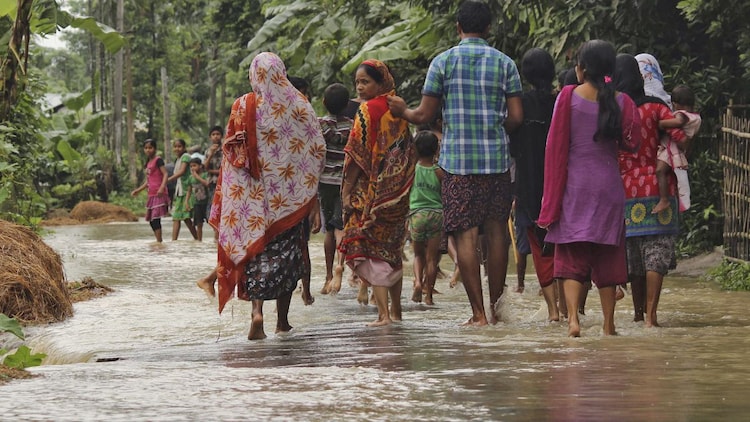
Thunderstorms accompanied by lightning and gusty winds reaching speeds of 30 to 40 kilometres per hour are very likely.
Arunachal Pradesh is also on high alert, with isolated heavy rainfall expected tomorrow.
These pre-monsoon showers are a result of strong moisture-laden winds from the Bay of Bengal hitting the Himalayan foothills.
HOW HOT WILL NORTHWEST INDIA GET?
In contrast, New Delhi and the surrounding northwest regions will remain bone-dry.
However, the real story here is the soaring mercury.
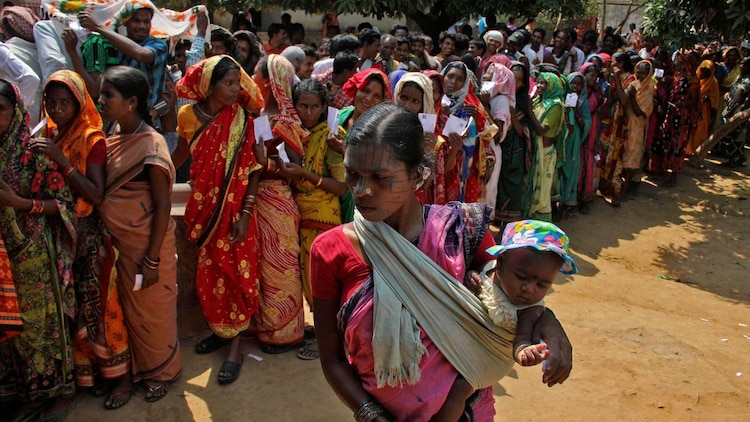
The IMD has warned of a gradual rise in maximum temperatures by six to eight degrees Celsius over the next few days.
By tomorrow, temperatures in the capital are likely to hover between 34 and 36 degrees Celsius.
This sudden spike is being driven by a subtropical westerly jet stream and the absence of any significant western disturbance to provide relief.
WHERE ARE THE HEATWAVE ALERTS?
The heat is not just restricted to the north. Central India is expected to see a rise of three to five degrees Celsius.
Specific regions like Odisha and Chhattisgarh are under a yellow watch, with heatwave conditions likely to develop in isolated pockets.
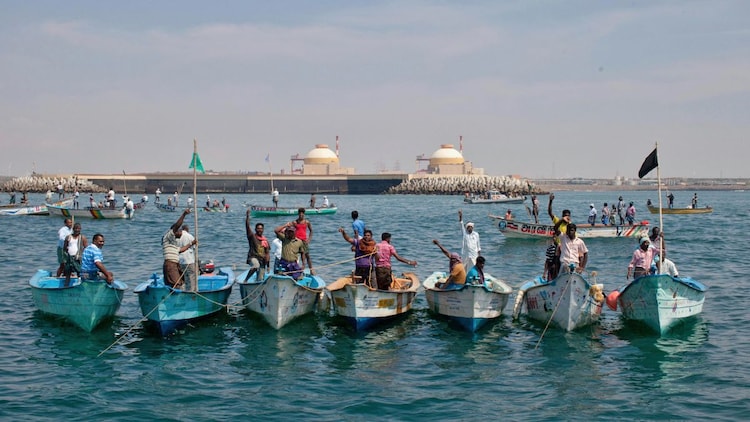
Coastal areas, including Andhra Pradesh and Tamil Nadu, will experience hot and humid weather.
The IMD attributes this to intensifying solar radiation as the Sun moves towards the Tropic of Cancer, heating the landmass rapidly.