Imagine a 13th-century Japanese poet looking up at the night sky and writing about mysterious red lights. And now, 800 years later, that same diary entry is helping scientists protect future astronauts.
Sounds like something out of a science fiction novel. But it isn’t.
Researchers at Japan’s Okinawa Institute of Science and Technology have uncovered evidence of a powerful burst of energy from the Sun that occurred around the winter of 1200 CE. To find it, they combined two very unlikely sources; the personal diary of a medieval Japanese poet and the rings inside ancient buried trees.
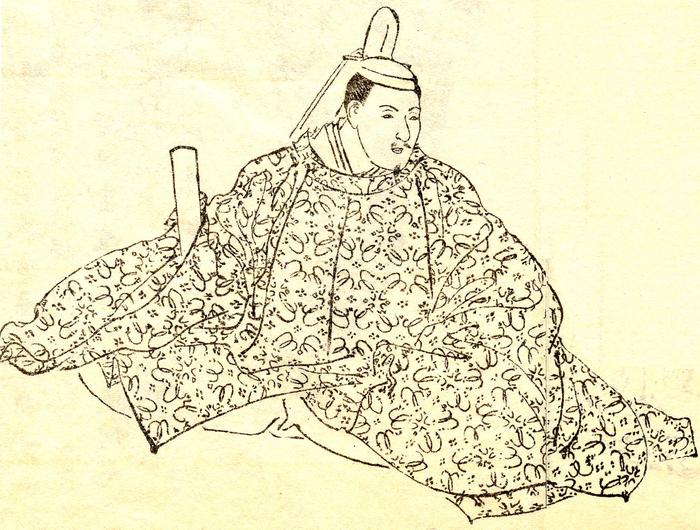
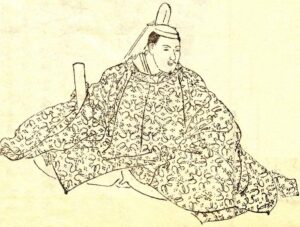
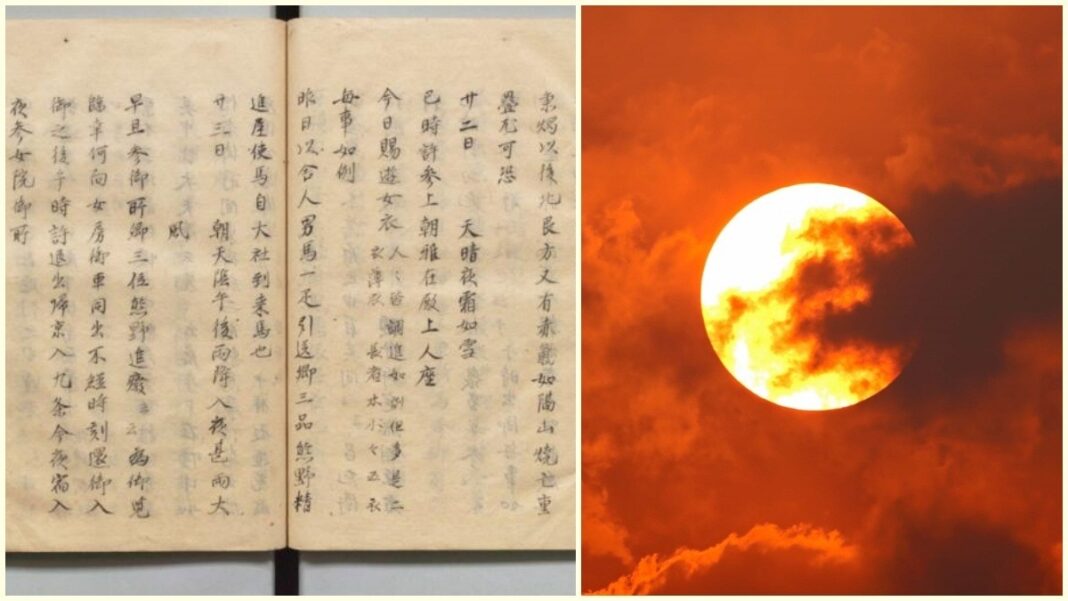
The first clue came from Meigetsuki, the diary of influential Japanese courtier and poet Fujiwara no Teika, who witnessed “red lights in the northern sky over Kyoto” in February 1204 CE. Those red lights were almost certainly a rare type of aurora. It was the kind that only appears when the Sun is in a very agitated, stormy state.
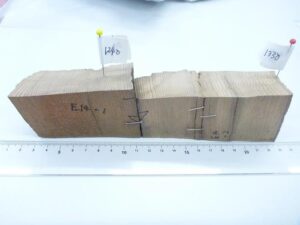
That diary entry pointed scientists to the right time period, allowing them to then study ancient buried trees from northern Japan.
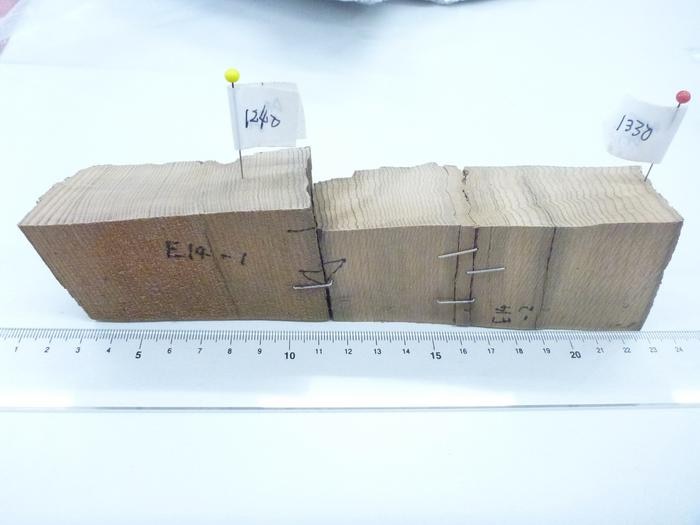
When the Sun erupts, it sends high-energy particles towards Earth that get absorbed by trees and leave a kind of chemical fingerprint in the wood.
By measuring the carbon-14 content in preserved organic material such as buried trees, researchers can identify fluctuations in solar activity over the last 10,000 years. And that’s what they did.
WHAT DID WE LEARN ABOUT THE SUN?
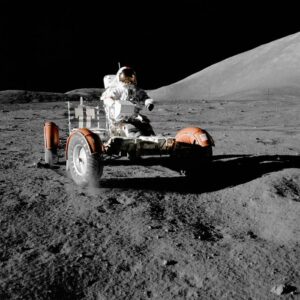
In 1972, a string of these solar particle bursts occurred between the Apollo 16 and 17 Moon missions. Had they coincided with either expedition, the astronauts would have been helplessly exposed to deadly particle radiation.
Today, the Sun’s activity fluctuates over eleven-year-long cycles, but researchers found that the cycle was just seven to eight years long back then, indicating a very active Sun. The solar burst they identified happened right at the peak of one of these shorter cycles.
The researchers say historical literature provides a candidate time window, and tree-ring studies enable direct comparison between detected solar events and reports of sunspots and auroras recorded in literature — and that integrated approaches like these are necessary to better understand extreme space weather.
This becomes even more relevant in light of the success of Nasa’s Artemis 2 mission that sent a crew of four astronauts around the moon. The success is to serve as a stepping stone for future lunar landings, and potentially sending humans to Mars.
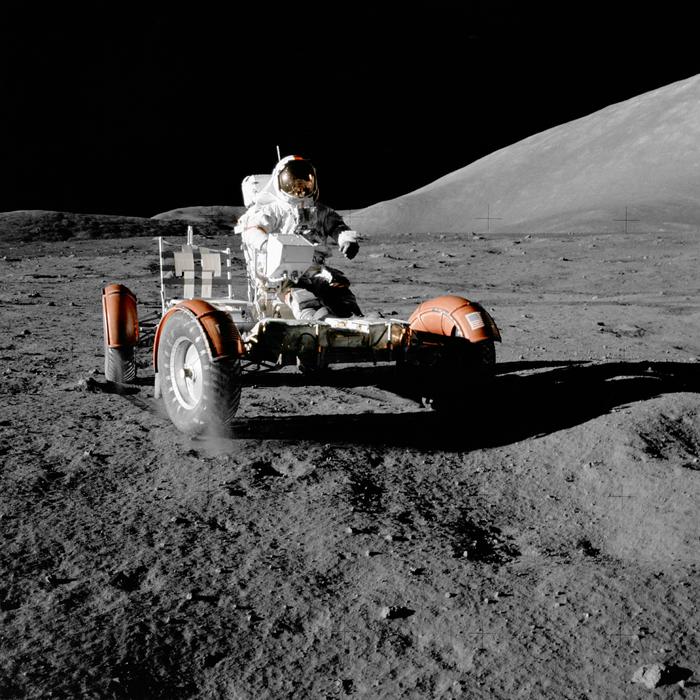
With space ambitions growing around the globe, knowing when and how these solar storms happen is no longer just a scientific curiosity but has become a safety issue.
Who would’ve thought that one day old poems and ancient wood would help us stay safe in space?