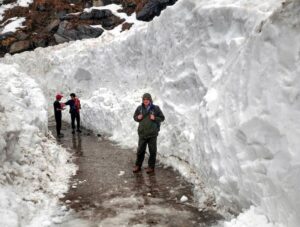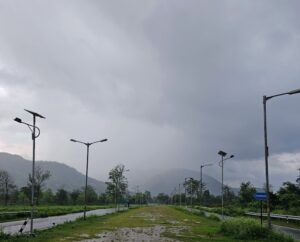
Uttarakhand has been gripped by a sharp return of cold winter conditions, with heavy rainfall and snowfall lashing several districts of the northern state.
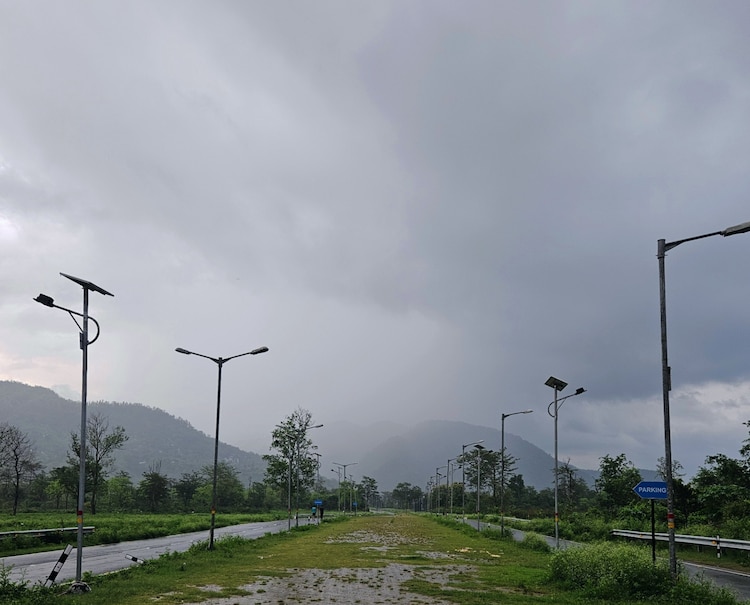
Continuous rain since late night of April 7 has disrupted normal life in Dehradun, while the Yamuna Valley has been plunged into a cold wave as snowfall persists at Yamunotri Dham, something that is an unusual sight in April.
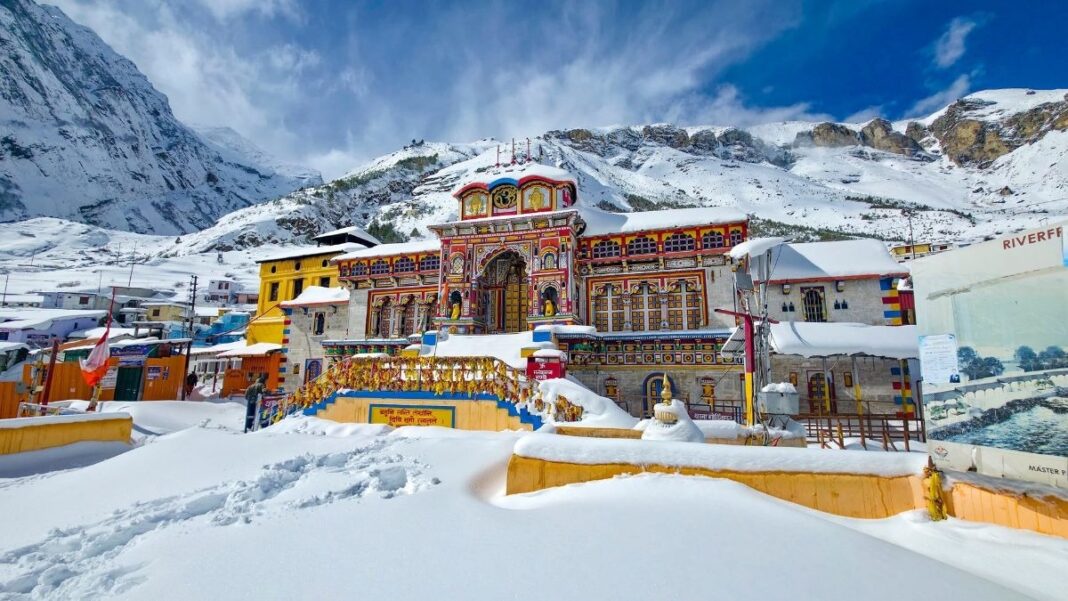
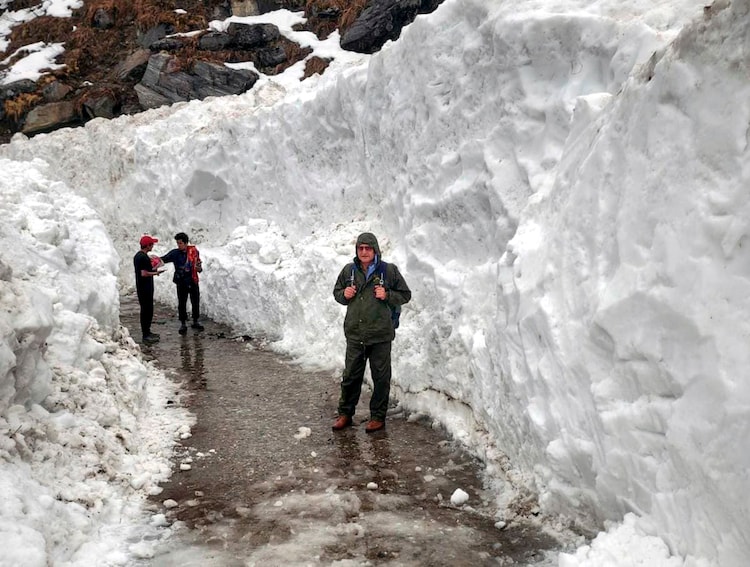
Furthermore, the sacred shrines of Kedarnath and Badrinath lie buried under several feet of snow, as the high-altitude peaks have once again turned white.
The Indian Meteorological Department (IMD) has attributed the prolonged spell to the influence of an active western disturbance, which has kept weather conditions across the state unpredictable.
Tehri, Pauri, and Pithoragarh regions have also reported continuous rainfall through the day, while temperatures in Haridwar have dropped sharply, sending cold and clouds all the way to the northern plains, with Delhi-NCR also witnessing rain and storm last night.
The unseasonal weather has cast a shadow over preparations for the upcoming Char Dham Yatra, a holy pilgrimage in the state.
With Kedarnath and Badrinath blanketed in heavy snow and access roads blocked, the high-altitude shrines have turned into hazardous destinations.
Yamunotri Dham, one of the four sacred sites, continues to see fresh snowfall, further complicating ground-level preparations as the opening date of the pilgrimage, on April 19, draws closer.
Apart from travel disruptions, agriculture has also been hit.
The downpour has delivered a severe blow to the agricultural community, particularly in the plains.
The region, which serves as one of Uttarakhand’s most productive agricultural belts, has seen similar weather-related crop scares in recent weeks, but the current spell is feared to be among the more damaging ones of the season.
Rain and hail and strong winds in April means that the standing rabi crops like wheat, which are close to harvest, are now facing the threat of heavy damage, and could cut yields drastically.
Farmers fear that if the rain continues, losses could be significant and largely irreversible at this stage of the crop cycle, affecting not only the output but also several agriculture-dependant households.