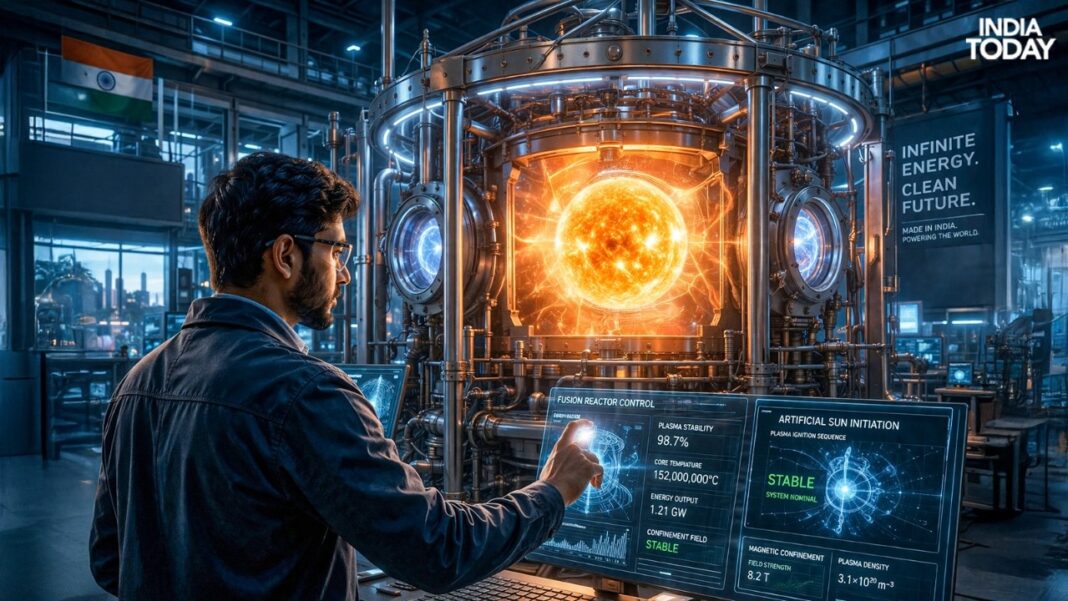
In a quiet lab ecosystem in Bengaluru, a group of engineers is attempting something that sounds not just audacious but almost impossible: replicating the power of the Sun on Earth.
If successful, their work could redefine how India produces energy and potentially make everyday concerns like LPG shortages and rising fuel prices a thing of the past.
At the centre of this effort is Pranos Fusion, a Bengaluru-based startup working on nuclear fusion, the same process that powers stars. Fusion is often described as the “holy grail” of energy.
Unlike fossil fuels or conventional nuclear power, it does not rely on burning or splitting atoms. Instead, it fuses light elements like hydrogen to release enormous amounts of energy, just as happens inside the Sun. As Dr Shaurya Kaushal, founder of Pranos Fusion explains, fusion is the way the universe powers itself, and almost every form of energy humans use today can be traced back to it in some way.
MOVING OUT OF THEORY
For decades, fusion remained largely confined to theory and large-scale government research programmes. However, Kaushal believes the time has come to move from theory to engineering reality.
According to him, the physics behind fusion is already well established globally, and the real challenge now lies in turning those principles into systems that can be manufactured, scaled, and deployed.
Pranos Fusion is taking a step-by-step approach, breaking down the complexity of fusion into manageable components rather than attempting to build a full-scale reactor from the outset.

STARTING SMALL, BUILDING LARGE
The company’s journey began with software. It developed a design and control platform called Jenga, envisioned as the “brain” of future fusion reactors. This software was benchmarked against nearly 18 reactors worldwide, drawing insights from global research facilities.
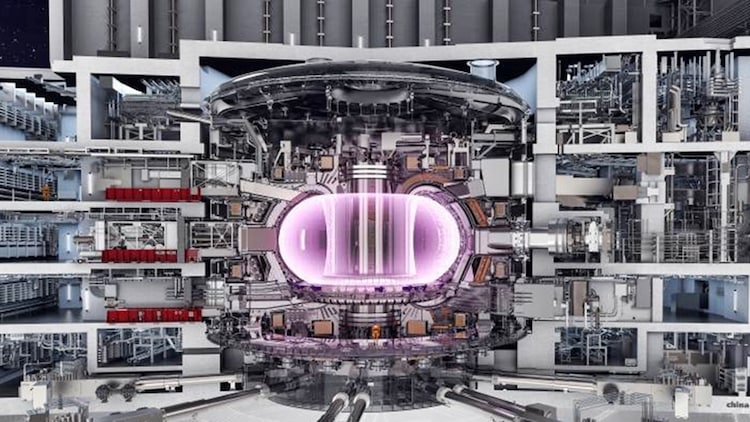
However, the team soon realised that simulations alone were not enough. To train intelligent systems and refine designs, real-world data was essential. This led to the development of a mid-scale tokamak, a device designed to confine superheated plasma using powerful magnetic fields.
The tokamak built by Pranos, named Pragya, does not yet produce fusion energy but plays a crucial role in the development process.
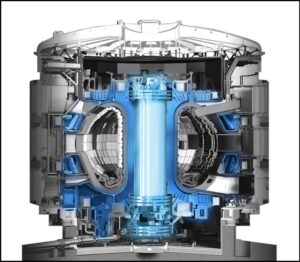
A tokamak is a device used in nuclear fusion research that uses powerful magnetic fields to confine hot plasma in a doughnut-shaped chamber.
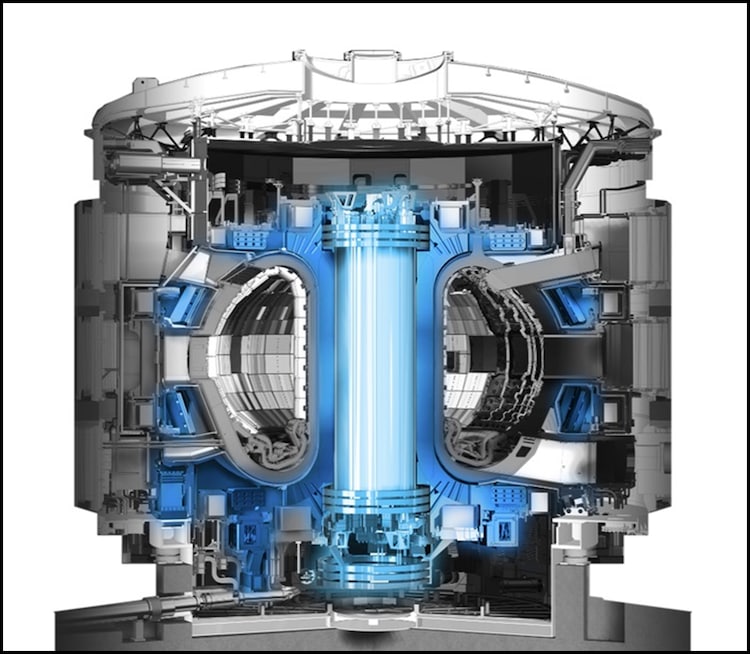
The Pragya tokamak is a subcritical system that generates the data needed to improve simulations and design future reactors. This marks a significant milestone, as it represents one of the few instances of a private Indian startup building fusion hardware.
WHY IS THE SCIENCE OF FUSION SO DIFFICULT TO EXECUTE?
One of the biggest challenges in fusion has always been cost.
Traditional reactors are large, complex, and expensive to build. Pranos is addressing this by rethinking reactor design.
Instead of the conventional large, donut-shaped structures, the team is working on more compact configurations that can deliver similar performance while reducing size and cost.
Advances in high-temperature superconducting magnets are central to this effort, allowing stronger magnetic confinement in smaller spaces.
“Some general hurdles envisaged, in addition to the technical difficulties in sustaining a fusion reaction, include supply chain bottlenecks, specifically, the production of necessary components owing to uncertainty in demand, a shortage of trained personnel, and the supply of tritium, a crucial component for fusion reactors,” said Animesh Ghosh, Senior Research Fellow, Ashoka Centre for a People-centric Energy Transition.
INDIA ALREADY LEADS THE WAY
India, unexpectedly, offers a strong advantage in this field. Due to its participation in the International Thermonuclear Experimental Reactor (ITER) programme, the country already has a well-developed manufacturing ecosystem for fusion components.
ITER is a massive, multi-decade international collaboration in Saint-Paul-les-Durance, France, aimed at proving the feasibility of nuclear fusion as a clean, limitless energy source.
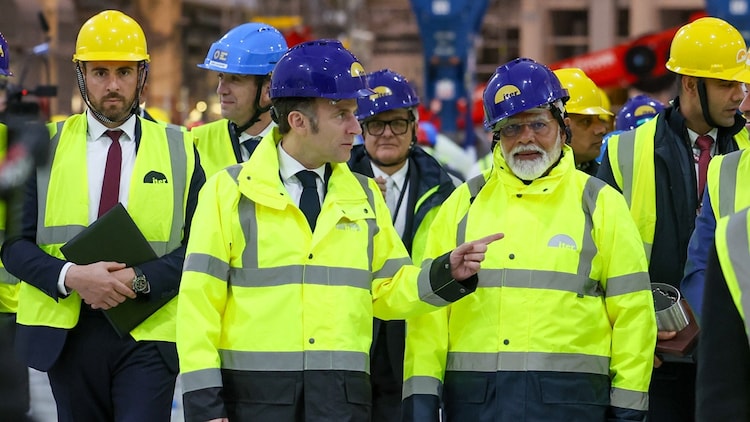
Since India is part of the collaboration, several major Indian companies have experience building critical systems for global fusion projects, providing startups like Pranos with an existing industrial base to build upon. “We are working closely with institutions such as the Institute for Plasma Research, highlighting the support available within India’s scientific ecosystem,” Dr Kaushal added.
Looking ahead, Pranos is pursuing multiple parallel pathways. It aims to integrate its software into existing reactors, continue developing advanced magnet technology, and design a full-scale fusion reactor capable of generating between 50 and 100 megawatts of electricity.
The company is targeting around 2030 to begin constructing a larger facility, aligning with global timelines as several fusion plants are expected to come online in the next decade.
HOW WILL IT SOLVE INDIA’S POWER CRISIS?
In the early stages, fusion energy is expected to be relatively expensive, with estimates suggesting costs of around Rs 6 to Rs 8 per unit. However, as with solar power, these costs are likely to decline significantly over time as technology matures and scales.
By the late 2030s and 2040s, fusion could become one of the most cost-effective sources of energy available.
“The contribution of fusion to India’s energy scenario is expected only beyond 2060. However, recent estimates suggest that fusion energy could be available commercially within the next 10 years,” says Vaibhav Chowdhary, Director-in-charge, Ashoka Centre for a People-centric Energy Transition.
For ordinary households, the implications could be far-reaching. India’s reliance on LPG for cooking has long been associated with supply challenges and price volatility.
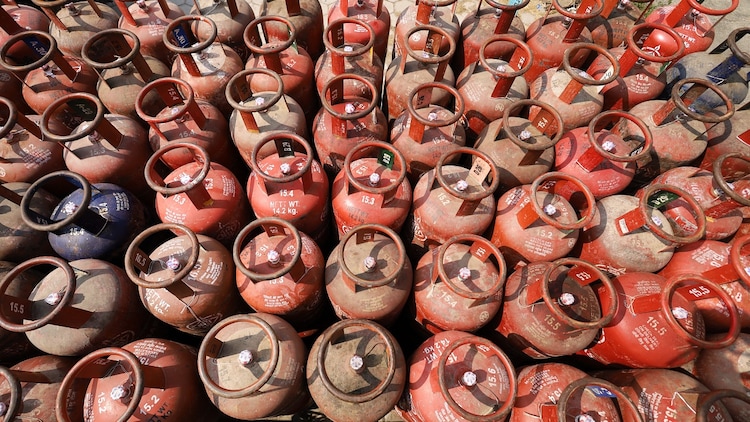
Fusion, by enabling abundant and reliable electricity, could reduce dependence on such fuels and transform domestic energy consumption. Fusion reactors also require relatively little land and can be located close to urban centres, improving efficiency in energy distribution.
Moreover, the primary fuel, hydrogen isotopes like deuterium, is widely available, with India already being a major producer.
HOW COULD FUSION PUSH INDIA’S GEOPOLITICAL STATURE?
Beyond economics, fusion could also reshape global geopolitics. Unlike fossil fuels, which are concentrated in specific regions, fusion resources are broadly accessible.
This could reduce energy-related conflicts and foster greater international collaboration. As Kaushal points out, fusion has the potential to be a unifying force rather than a divisive one.
Despite the promise, significant challenges remain. Fusion is still an emerging technology, and achieving commercial viability will require sustained innovation, investment, and collaboration. However, momentum is building globally, with increasing private and public investment and multiple pilot projects underway.
For India, the stakes are high. As the country’s energy needs continue to grow, the ability to harness fusion could determine its long-term energy security and technological leadership.
The vision of bringing the Sun’s power to Earth may still be in progress, but efforts like those of Pranos Fusion suggest that the future of energy could be closer than once imagined.