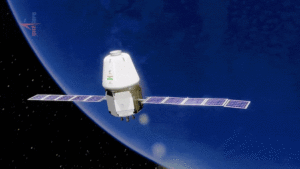
India’s ambitious human spaceflight programme, Gaganyaan, is steadily moving closer to reality, and a key player behind the scenes is Protoplanet, which is helping prepare astronauts for the extreme realities of space.
Through its collaboration with the Indian Space Research Organisation, Protoplanet is spearheading a new generation of analog missions, Earth-based simulations designed to mimic the physical and psychological challenges of spaceflight.
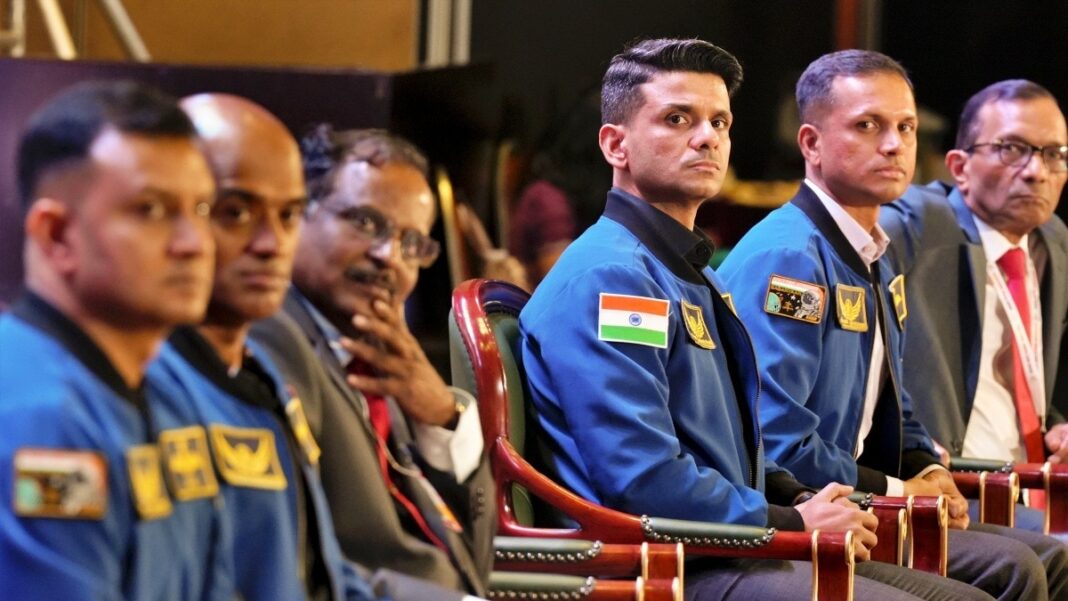
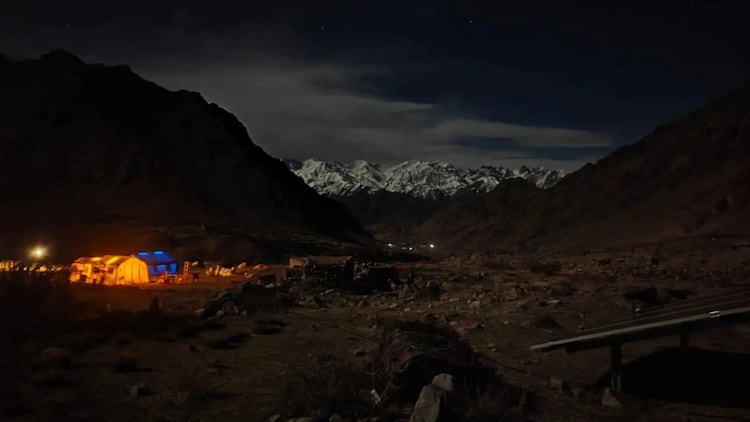
Isro’s Human Space Flight Centres (HSFC) along with Protoplanet began Mission Mitra in Ladakh on Thursday. Mitra or the Mapping of Interoperable Traits and Reliability Assessment is a high-altitude analog mission conducted in Ladakh.
The harsh terrain and thin atmosphere of the region provide a near-space-like environment, allowing researchers to study how astronauts adapt to isolation, hypoxia and operational constraints.
Mission Mitra focuses on evaluating human factors, including teamwork, cognitive performance, fatigue and emotional stability, all of which are crucial for mission success in space.
Unlike robotic missions, human spaceflight introduces unpredictable variables, making such simulations indispensable.
“Mission Mitra represents a shift toward understanding the human machine as deeply as the spacecraft itself,” said Dr Siddharth Pandey, Director, Protoplanet. “By analysing how our astronauts and support teams interact in Ladakh’s unforgiving climate, we are ensuring that future missions are backed by a foundation of psychological resilience and team unity.”
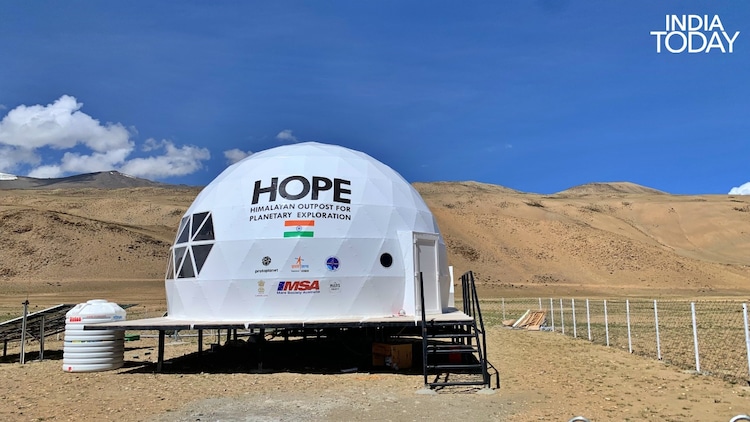
HOPE IN LADAKH
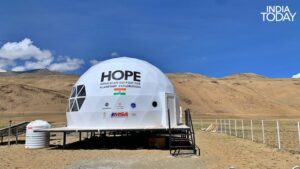
One of the most significant undertaking by Protoplabet was Hope (Human Outer Planet Exploration) analog mission, where two analog astronauts lived in isolated, confined environments that replicated the conditions astronauts would face during long-duration missions.
These simulations test everything from life-support systems to human behaviour under stress, offering critical insights into crew performance, decision-making and resilience.
These initiatives are not just training exercises; they are testbeds for future technologies and protocols. From validating habitat designs to refining emergency response strategies, analog missions help reduce risks before actual launch.
For Gaganyaan, which aims to send Indian astronauts into low-Earth orbit, such preparedness is vital. Human spaceflight is inherently complex, involving precise coordination between engineering, medicine and human psychology.
Even minor failures can have serious consequences in the unforgiving environment of space.
Protoplanet’s role reflects a broader shift in India’s space ecosystem, where private players are increasingly contributing to national missions.
By bridging the gap between research and real-world application, the company is helping build a robust foundation for sustained human presence in space.
As India prepares to join the league of nations capable of independent human spaceflight, collaborations like these are proving essential.
Beyond the rockets and hardware, it is the readiness of the humans onboard, shaped through missions like Hope and Mitra, that will ultimately determine success.
Protoplanet is not just supporting Gaganyaan, it is helping define how India trains, tests and trusts its astronauts for the journeys ahead.