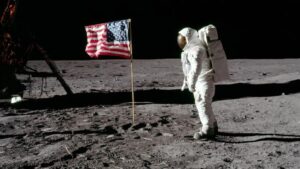
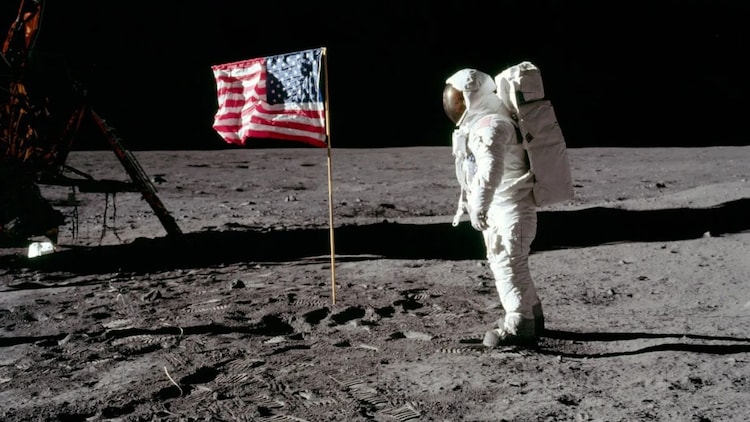
When Apollo 11 touched down on the Moon in July 1969, the moment was written into history as one of humanity’s greatest achievements.
But look at the photographs from every single Apollo mission and the pattern is impossible to miss: every astronaut was a white American man.
Twelve men walked on the Moon. Not one woman. Not one person of colour.
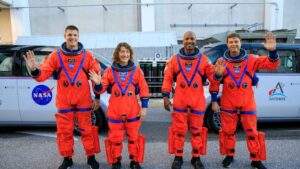
Over half a century later, on April 2, 2026, Nasa shattered the all-white, all-men legacy of the Apollo Program with Artemis-II.
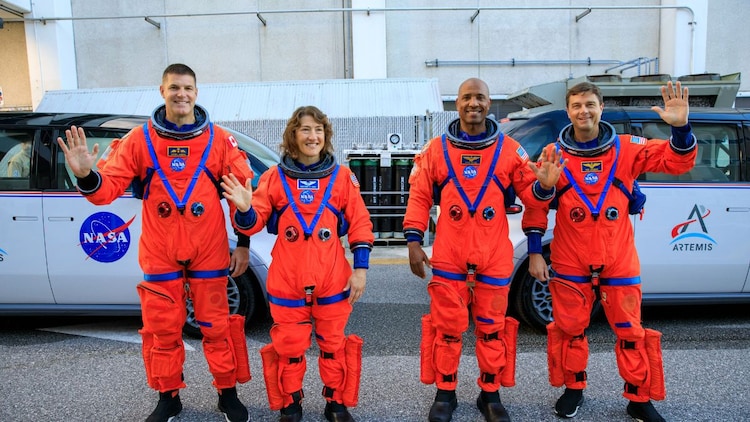
Artemis-II is the first crewed mission beyond low-Earth orbit, the region of space roughly 2,000 kilometres above Earth’s surface, since Apollo 17 in December 1972. It is humanity’s first crewed Moon mission in over 50 years.
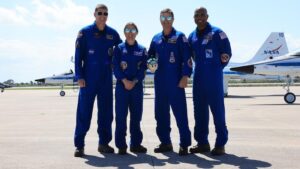
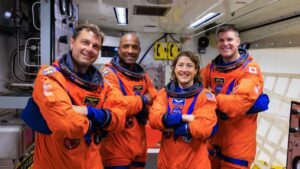
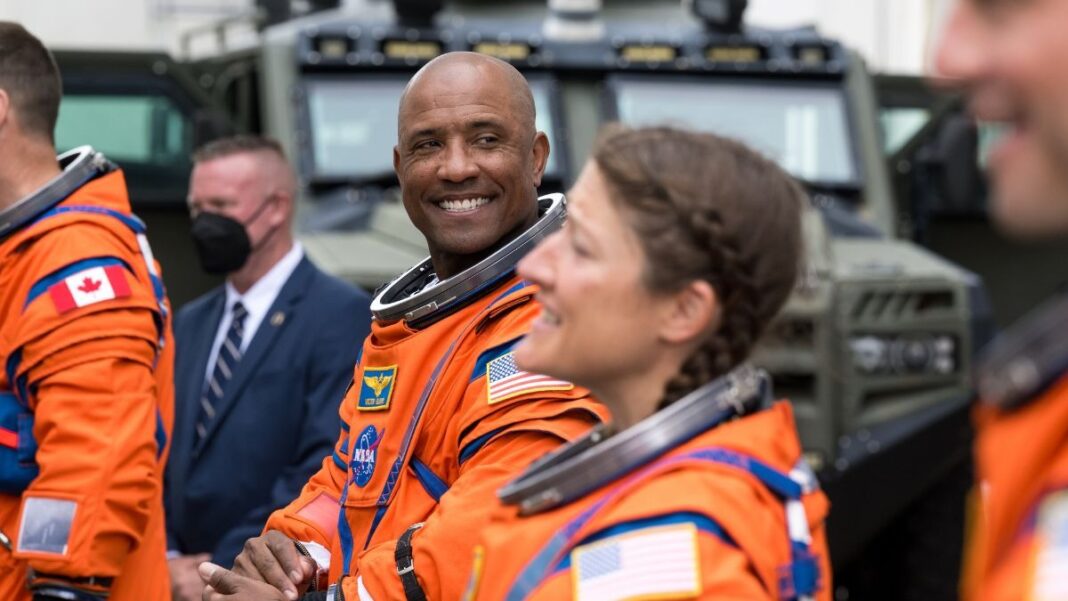
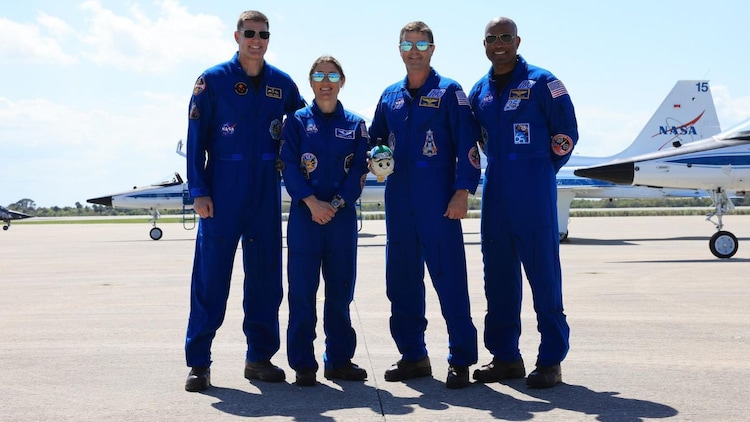
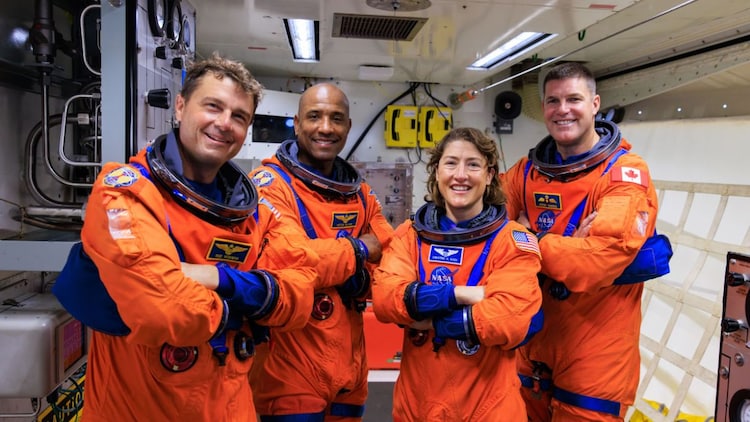
Four astronauts are making the journey, but two of them are carrying more than just scientific equipment. Victor Glover is the first person of colour to travel towards the Moon’s vicinity, and Christina Koch is the first woman.
In a striking irony, the Donald Trump administration, in January 2025, ordered Nasa to shut down all its diversity, equity and inclusion offices and end related programmes.
Yet it is under Trump’s watch that Artemis-II sent the first woman and the first person of colour beyond low-Earth orbit.
WHY HAS IT TAKEN THIS LONG TO SEND A WOMAN?
The astronaut corps of the Apollo era was built around a very specific profile: military test pilots, who at the time were almost exclusively white men.
Women were not permitted to train as military pilots in the United States until 1976, four years after the last Apollo mission.
The talent pipeline simply did not exist in the way it does today.
Nasa began selecting women as astronauts from 1978 onwards, but the infrastructure, the rockets, the missions and the political will to send them beyond Earth orbit never materialised, until now.
The Artemis programme, named after the twin sister of Apollo in Greek mythology, was designed from its very inception to correct this.
Its stated goal was always to land the first woman and first person of colour on the Moon.
WHO ARE THE ARTEMIS-II ASTRONAUTS?
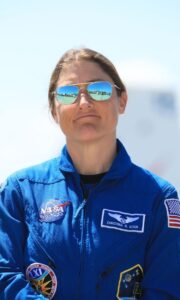
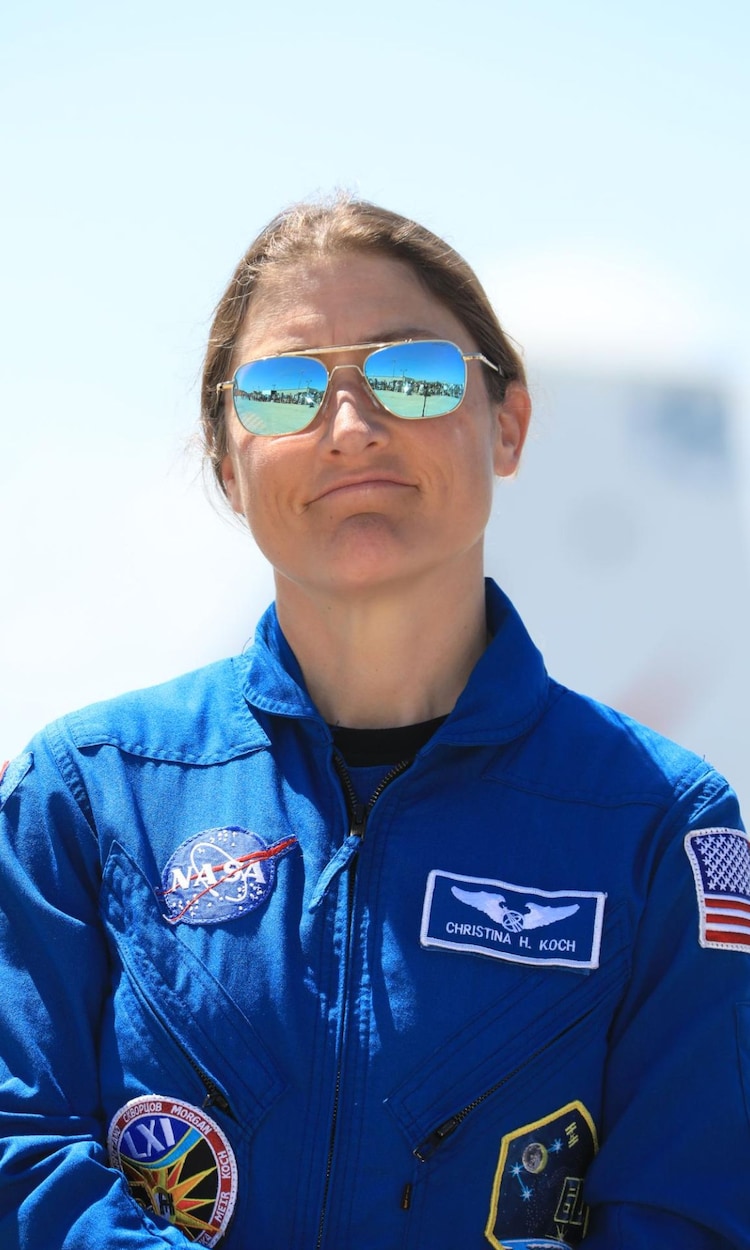
Koch, 47, an electrical engineer from Jacksonville, North Carolina, holds the record for the longest single spaceflight by a woman, 328 days, and took part in the first all-female spacewalk during her lengthy stay at the International Space Station in 2019.
She has said the moment is not about any one individual. It is about celebrating the fact that humanity has arrived at a place in history where women can fly to the Moon.
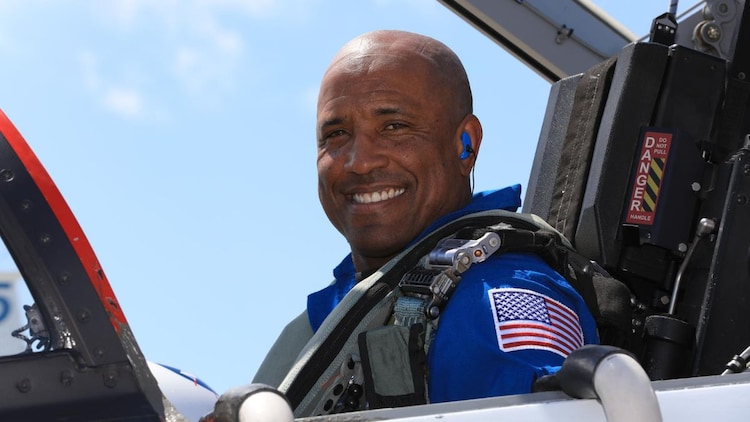
Glover, the mission pilot, has spoken openly about what this mission will mean, not just for himself, but for Nasa and its vision of inclusive exploration.
As a Black American astronaut, his presence represents a profound shift in who gets to participate in the most ambitious endeavours humanity undertakes.
Joining them are Commander Reid Wiseman from Nasa, and Canadian Space Agency astronaut Jeremy Hansen.
WILL THEY ACTUALLY LAND ON THE MOON?
Not yet. Artemis II is a high-stakes test flight.
The crew will not land on the lunar surface but will conduct a flyby, swinging around the Moon and returning to Earth, while testing critical systems aboard the Orion spacecraft.
Think of it as a dress rehearsal for the greatest show humanity has ever staged.
The actual landing, carrying the first woman and first person of colour to the lunar surface, is planned for a later Artemis mission targeting the Moon’s south pole, a region rich in water ice that could one day sustain a permanent human outpost.
WHAT DOES THIS MISSION MEAN FOR THE FUTURE?
Studying deep-space radiation effects on the human body during this flyby will provide data crucial for Nasa’s ultimate goal: sending humans to Mars.
Every hour these four astronauts spend beyond Earth’s protective magnetic field, the invisible shield that deflects harmful solar and cosmic radiation, generates knowledge that no robot or satellite can replicate.
Half a century of waiting ended on April 2, 2026. The Moon is the same as it has always been, ancient and indifferent. But the people going to see it are finally different.