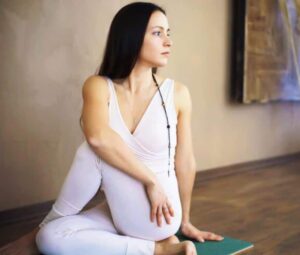
In today’s fast-paced world, deadlines, meetings, sales, and targets have become a daily routine, so much so that even a simple morning alarm can spike cortisol levels. Conditions once considered rare a couple of decades ago, anxiety, mental fog, emotional instability, depression, loneliness, and insomnia, are now part of everyday conversations. Yoga offers a simple yet scientific pathway to restore this balance.
Dr Mickey Mehta, a global leading holistic health guru, reveals, “As a Yoga Therapist, I often see how chronic stress disconnects individuals from their body and breath. Modern neuroscience confirms what yogis have known from the ancient period. Simple conscious breathing and meditation significantly alter brainwave patterns. During practice, the brain shifts from high-frequency Beta waves (associated with stress) to Alpha waves, which induce a state of relaxed alertness. As meditation deepens, we enter into the state of the Theta wave, the gateway to the subconscious, where deep healing and emotional processing occur. This shift helps to lower the heart rate and signals the adrenal glands to cease the cortisol spike.”
Yoga is not about physical contortion; it is a state of being. The Yoga Sutras define Asana as Sthiram Sukham Asanam, the posture should be steady and comfortable. This philosophy suggests that if we can find stability and ease on the mat amidst a challenging pose i.e., when the physical body & mind is in a painful state (Dukkham), we can easily find it in the boardroom or during a personal crisis. Slow, conscious movements allow the practitioner to bridge the gap between the physical and mental, turning a sequence of stretches into a moving meditation.
“योगश्चित्तवृत्ति निरोधः” which means: Yoga is the cessation of the fluctuations of the mind.)
The essence of yoga highlights that through awareness and stillness, one can cultivate emotional resilience and inner harmony.
Dr Mehta reveals key yoga techniques to reduce anxiety, enhance mental clarity, and improve emotional well-being:
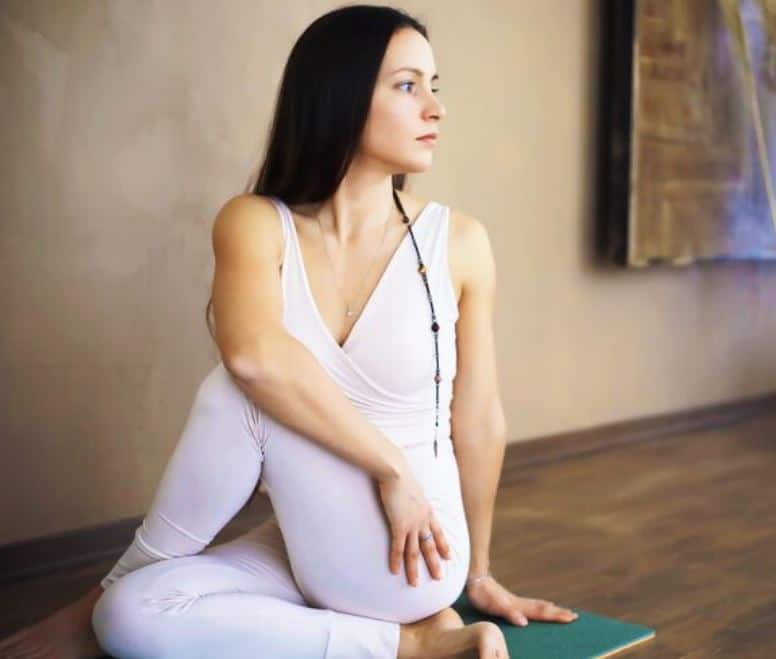
1. Bhramari Pranayama (Humming Breath): The gentle humming vibration soothes the nervous system, it reduces anxiety, and quiets excessive thoughts. It activates the parasympathetic response and is especially effective in preparing the mind for deep, restful sleep.
2. Forward Bends (eg. Shashankasana, Adho Mukha Svanasana): These postures enhance blood circulation to the brain, improving clarity and calming the mind. The act of bending forward encourages a sense of surrender, grounding the body closer to the earth, which helps instantly release stress and tension.
3. Slow Mindful Movement: Moving slowly with breath awareness creates a meditative flow. It improves neuromuscular coordination, reduces physical stiffness, and calms mental restlessness—bridging the gap between body and mind.
4. Guided Relaxation & Meditation: Practices like Yoga Nidra allow deep release of accumulated stress, bringing the nervous system into a state of profound rest and emotional reset.
The result of a consistent practice is not just flexibility, but mental and emotional clarity. With consistent practice a significant reduction in “anticipatory anxiety” and an improved ability to remain “Sthira” (steady) when life becomes “Asthir” (chaotic). By integrating these techniques, we don’t just survive the modern world; we navigate it with a calm, clear, and focused mind.
(This article is based on information available in the public domain and on input provided by experts consulted.)